

2D animation studios have become the backbone of modern digital entertainment, combining artistry, design, and technology to craft captivating stories. Whether it’s game cutscenes, advertising campaigns, or feature films, the work of 2d animation studios plays a pivotal role in shaping how audiences experience visual narratives. From traditional hand-drawn styles to advanced digital workflows, these studios define the language of imagination in motion.
2D animation was once entirely hand-drawn, frame by frame. While that method still exists in niche art forms, most studios today use software-driven workflows. Programs like Toon Boom Harmony, Adobe Animate, and TVPaint allow for faster, more efficient production while maintaining the classic appeal of 2D movement.
Modern studios don’t limit themselves to just one medium. They produce TV shows, commercials, educational videos, explainer animations, and in-game cinematics. This variety allows them to cater to entertainment, corporate, and gaming industries simultaneously.
Unlike 3D, which often leans toward realism, 2D allows for unlimited stylistic choices. This flexibility has cemented its relevance across cultures, appealing to audiences worldwide with styles ranging from anime to Western cartoons.
The creative journey in 2D animation begins long before the first frame is drawn. During pre-production, studios take raw ideas and transform them into structured concepts. Writers and directors develop scripts that outline dialogue, pacing, and narrative flow. Storyboarding is the next critical step, serving as the visual blueprint of the project. Each storyboard panel defines camera angles, character actions, and transitions between scenes, ensuring the team has a clear roadmap. This stage is where most creative experimentation happens, since adjustments here are easier and less costly than during production. Strong pre-production is the foundation of every successful 2D animation.
Once the narrative is established, visual development takes center stage. Artists create detailed character sheets, defining body proportions, expressions, and movement styles. These designs not only establish how characters look but also how they behave and interact with their surroundings. Parallel to this, background artists build immersive environments that match the tone of the story, whether it’s a playful cartoon world or a dramatic cinematic setting. Every visual decision—colors, line thickness, shading—shapes the emotional impact of the animation. By the end of this stage, the project has its visual identity firmly in place.
With storyboards and assets ready, animators begin the production phase. Depending on the style, they may use frame-by-frame animation for fluid, organic motion or rig-based techniques for efficiency. Timing and rhythm are carefully refined to make characters feel alive and expressive. Once the core animation is complete, the project moves into post-production, where sound engineers add voice overs, effects, and music to enhance immersion. Editors finalize pacing, adjust transitions, and polish visual effects to ensure the animation flows seamlessly. This stage transforms raw motion into a complete, audience-ready product.
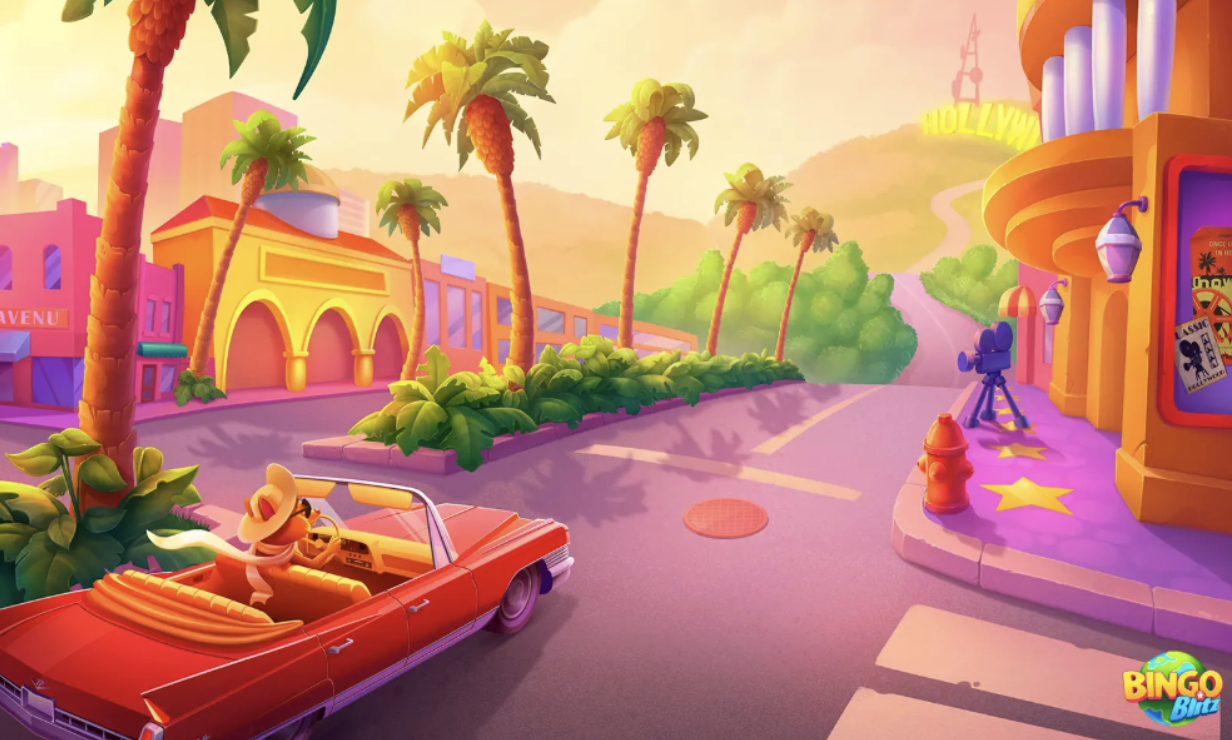
TV networks, streaming platforms, and online content creators heavily invest in 2D animation. From children’s series to adult-themed comedies, 2D remains a versatile storytelling medium.
Explainer videos, e-learning modules, and corporate presentations often rely on 2D animation for clarity and engagement. Its simplicity helps communicate complex ideas.
In video games, 2D animation enhances cutscenes, character movements, and UI elements. Many indie game developers prefer 2D for cost-effectiveness and stylistic freedom.
2D animation is a blend of creativity and technology. While the animator’s imagination drives the storytelling, the tools they use determine the quality, speed, and consistency of production. Professional 2D animation studios rely on a set of advanced tools and workflows that allow them to deliver projects at the highest standard. These tools include software ecosystems, specialized hardware, and collaboration platforms that keep teams efficient and projects on track.
Animation software forms the backbone of every studio’s workflow. Industry standards like Toon Boom Harmony and Adobe Animate are essential for frame-by-frame animation, character rigging, and scene compositing. Tools such as Moho (Anime Studio) are preferred for cut-out animation, allowing studios to speed up production without sacrificing quality.
For more specialized needs, many studios also use TVPaint for hand-drawn animation, while After Effects and Photoshop provide support for visual effects, compositing, and asset creation. The choice of software depends on the project’s style, budget, and distribution platform, but versatility is key—studios often combine several programs in a single workflow.
Behind every great animator is a powerful workstation. Professional 2D animation studios invest in high-performance computers with fast processors and large amounts of RAM to handle complex projects. Animators usually work with graphic tablets like Wacom Cintiq or Huion Kamvas, which allow precise hand-drawn movements directly on the screen.
Some studios also experiment with hybrid workflows, combining 2D drawing tablets with motion capture tools for lip-syncing and body movement references. While motion capture is more common in 3D, its integration in 2D helps speed up production and adds natural rhythm to animation.
In large studios, animation is a team effort. Directors, storyboard artists, animators, sound engineers, and editors must work in sync. To ensure smooth communication, many studios rely on cloud-based collaboration platforms like ShotGrid, Frame.io, or Trello. These platforms allow teams to share updates, review animation shots in real-time, and track project progress across multiple departments.
For remote or distributed teams, such tools are invaluable. They ensure that no detail is lost during revisions, deadlines are met, and creative vision remains consistent throughout production.
Brands use 2D animation to create memorable advertisements. Animated mascots, short films, and explainer ads establish emotional connections that live-action often struggles to achieve.
Compared to live filming, 2D animation offers lower production costs and shorter timelines, making it attractive to startups and corporations alike.
Animated characters can easily be adapted to different cultural contexts, helping global companies localize campaigns without losing brand identity.
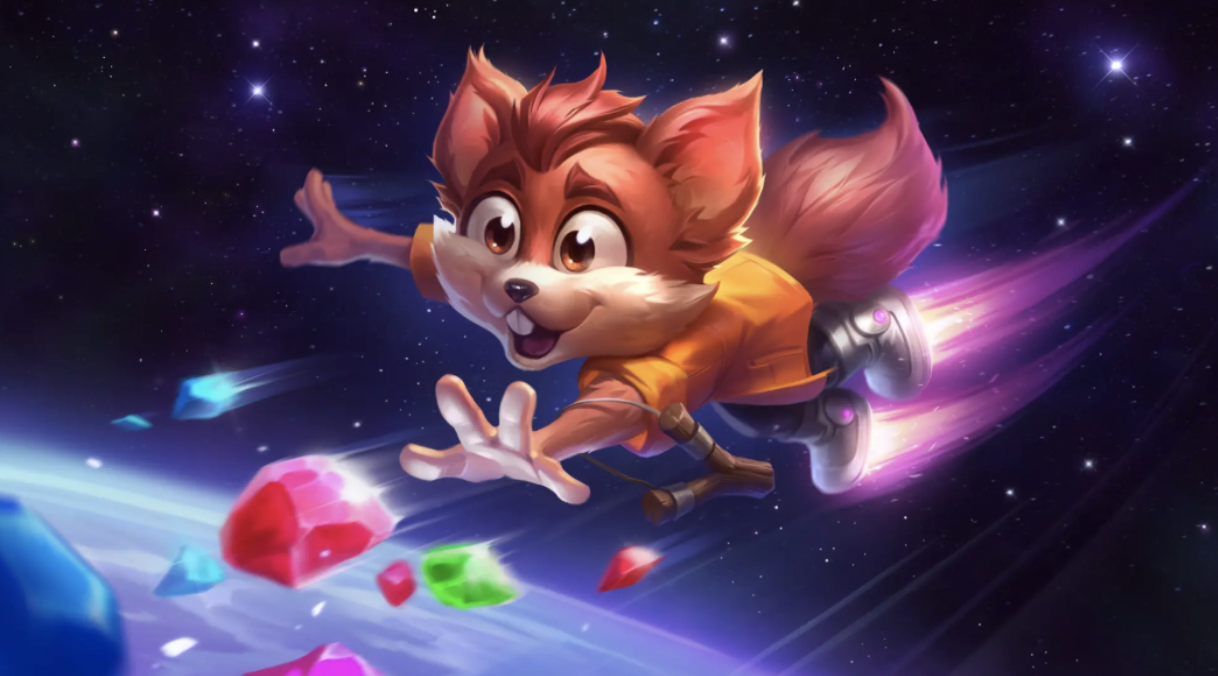
The first step in choosing a studio is reviewing its portfolio. A strong studio should showcase versatility in styles and industries, proving adaptability to client needs.
Transparent communication and efficient project management are vital. Studios with clear pipelines and revision processes deliver smoother experiences.
Costs can vary widely. Understanding pricing structures and expected timelines ensures the partnership stays aligned with project goals.
Many studios now merge 2D aesthetics with 3D technology, producing unique visuals that appeal to modern audiences.
Artificial intelligence is beginning to assist in in-between frame generation, lip-syncing, and asset management. This reduces repetitive work, allowing artists to focus on creativity.
As interactive storytelling grows, 2D animation is finding new roles in AR, VR, and virtual worlds. Studios are adapting by creating immersive, player-driven experiences.
2D animation studios remain creative powerhouses, shaping entertainment, advertising, education, and gaming. Their adaptability, artistry, and technological integration ensure they will continue to thrive in the evolving media landscape. Whether for commercial branding or immersive storytelling, their influence is undeniable.











