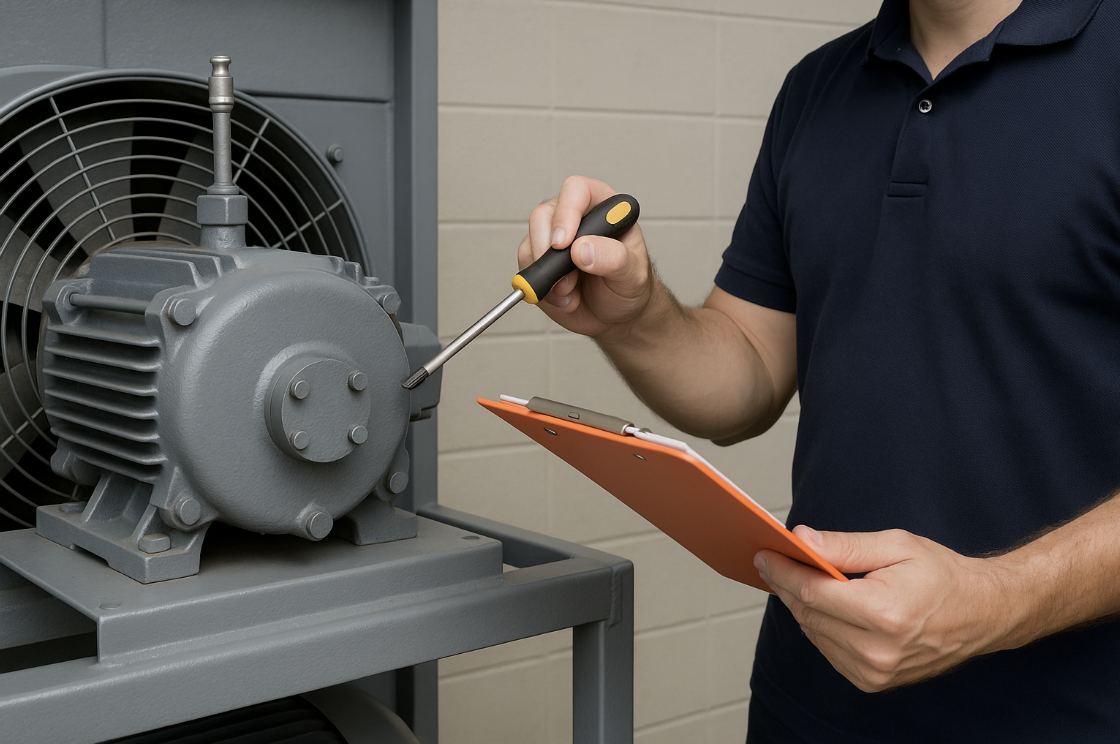
Preventive maintenance (PM) is a proactive strategy designed to keep equipment, machinery, and facilities in optimal working condition. Instead of waiting for breakdowns to occur, PM involves scheduled inspections, routine cleaning, lubrication, adjustments, and the replacement of worn components. The goal is to prevent failures before they happen, ensuring consistent performance and avoiding costly disruptions.
Preventive maintenance can apply to a wide range of systems, including HVAC units, electrical systems, plumbing, machinery in industrial settings, and even office equipment. By establishing a structured preventive maintenance program, businesses can take control of their assets, reduce unexpected failures, and create a more predictable operational environment.
Regular care helps identify small issues before they develop into major problems. By addressing wear and tear early, preventive maintenance extends the useful life of equipment and reduces the need for frequent replacements. This proactive approach is far more cost-effective than dealing with emergency repairs or total replacements.
Unexpected equipment failures can cause major operational interruptions. Preventive maintenance helps minimize unplanned downtime by detecting potential issues early. For businesses that rely on continuous production or service delivery, this can be crucial in maintaining efficiency and meeting deadlines.
While preventive maintenance requires an upfront investment of time and resources, it can lead to significant cost savings over time. Early detection of problems reduces the likelihood of expensive repairs, emergency service calls, or replacement of damaged equipment. Additionally, efficient equipment tends to consume less energy, leading to lower utility costs.
Equipment that is not maintained regularly can become a safety hazard. Malfunctioning machinery, faulty electrical systems, or blocked ventilation can pose risks to employees. Preventive maintenance ensures that equipment operates safely, protecting staff and reducing the likelihood of workplace accidents.
Many industries are subject to strict regulatory requirements regarding equipment and facility maintenance. Preventive maintenance programs help organizations comply with these regulations, ensuring audits and inspections are passed without issues. This compliance also protects companies from potential fines and legal liabilities.
A structured maintenance schedule is the foundation of any effective PM program. This schedule should outline regular inspections, cleaning, and part replacements, considering manufacturer recommendations, usage patterns, and environmental factors. Clear timelines prevent tasks from being overlooked and keep maintenance efforts consistent.
Technology can simplify preventive maintenance. A Computerized Maintenance Management System (CMMS) helps track maintenance activities, schedule tasks, monitor equipment history, and manage spare parts inventory. Using digital tools ensures that no task is forgotten and provides valuable data for optimizing maintenance strategies.
Maintenance staff should be well-trained in the equipment they manage, as well as in safety procedures. Proper training ensures that tasks are completed effectively and reduces the risk of errors that could lead to equipment damage or accidents.
Regular monitoring of equipment performance can reveal subtle signs of potential failure, such as unusual noises, vibration, or temperature changes. Addressing these signs early prevents more serious issues and contributes to smoother operations.
Maintenance needs can change over time. Regularly reviewing the preventive maintenance program allows organizations to adapt to new challenges, operational changes, or insights gained from previous maintenance cycles. Continuous improvement ensures the program remains effective and relevant.
Preventive maintenance is more than a routine task—it is a strategic approach to asset management. By proactively caring for equipment and facilities, businesses can extend the life of their assets, reduce costs, enhance safety, and maintain consistent productivity. Implementing a well-structured preventive maintenance program ensures that operations run smoothly and efficiently, turning maintenance from a reactive burden into a proactive advantage.