The Himalayas have a wonderful charm that draws visitors from all over the world. The towering peaks, the clean mountain air, and the sense of being somewhere truly unique drew me in when I first set foot on a Himalayan trek. Trekking here is more than just walking from one hamlet to another; it is an experience that tests your body, broadens your viewpoint, and reconnects you with nature in its purest form. From colorful prayer flags flapping across high passes to tranquil lakes reflecting snow-capped peaks, each step reveals a story of adventure, culture, and natural beauty.
Why Trekking in the Himalayas is Unique?
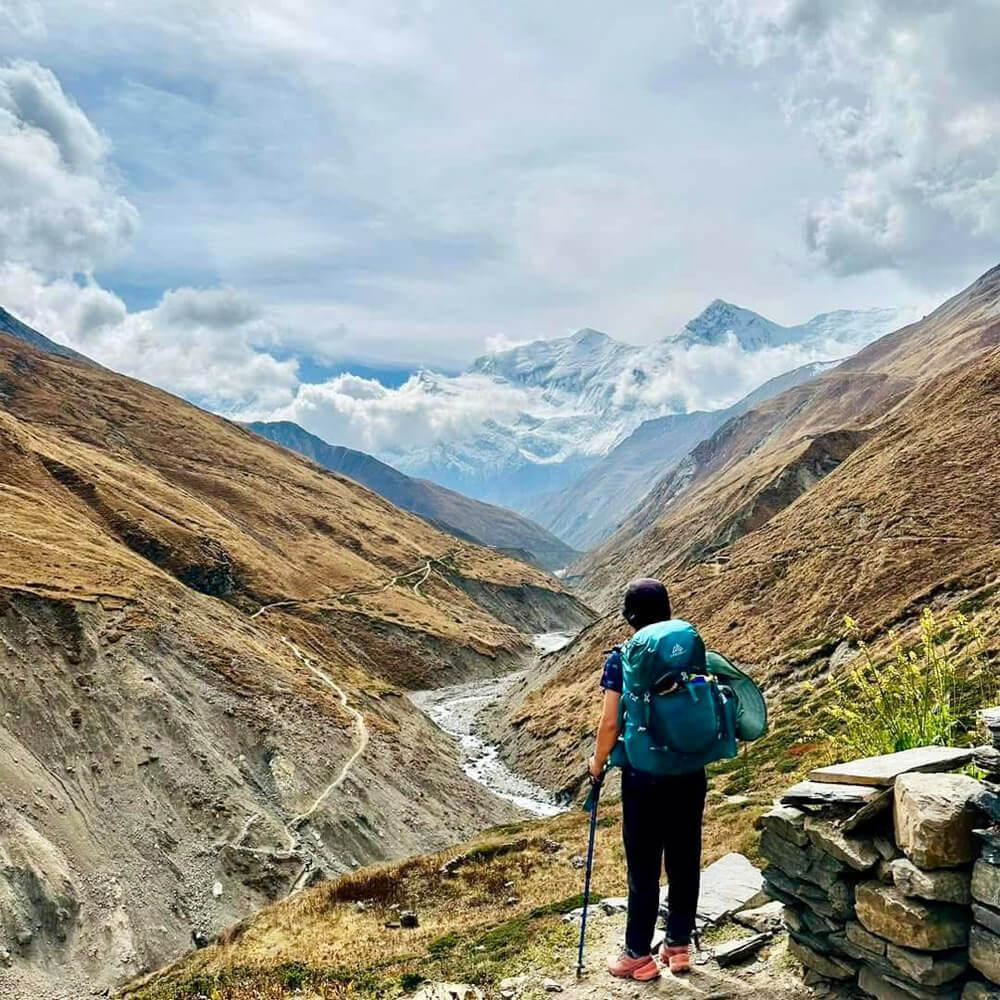
Trekking over the Himalayas is unlike any other trip on Earth. These mountains are not only the tallest in the world, but they also provide an unparalleled combination of natural beauty, culture, and personal challenge. The views are stunningly diversified, with lush forests at lower elevations, rushing waterfalls, high-altitude lakes reflecting snowy peaks, glaciers, and rough mountain routes.
Each location has an own personality. The towering peaks of Everest dominate the Khumbu Valley, whilst Annapurna is known for its terraced fields, rhododendron forests, and Himalayan villages. The Himalayas are culturally rich in addition to their natural beauty. Sherpa villages, monasteries, prayer flags, and local festivals allow trekkers to connect with communities that have lived in harmony with the mountains for centuries.
Trekking in Nepal is a spiritual and emotional experience, as well as a physical challenge. Every step requires endurance, patience, and adaptability, making the journey extremely rewarding. The Himalayas are genuinely one-of-a-kind trekking destinations due to their blend of spectacular landscape, cultural immersion, and personal growth.
Top Himalayan Treks in Nepal
Nepal is the core of Himalayan trekking, with routes suitable for all levels of experience. The Everest Base Camp (EBC) Trek is the most famous, taking trekkers close to the world's highest peak. Along the way, you will travel via Namche Bazaar, Tengboche Monastery, and eventually EBC and Kala Patthar for breathtaking panoramic views.
The Annapurna Circuit Trekking is a traditional route known for its diversity rivers, terraced farms, high mountains like as Thorong La, and isolated villages.
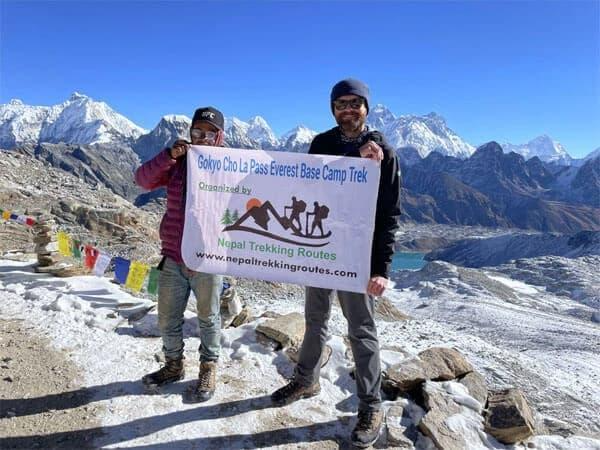
The Gokyo Lakes and Cho La Pass Trek is ideal for those seeking high passes and glacier lakes. The path climbs to Cho La Pass, which connects the Gokyo Valley to the EBC trail and provides amazing views of Everest, Cho Oyu, and Makalu.
The Langtang Valley Trek is shorter and more approachable, making it suitable for first-time trekkers while still offering breathtaking mountain views, rhododendron forests, and local Tamang culture.
The Manaslu Circuit Trek is an off-the-beaten-path trek that is less busy but very rewarding, featuring hard high crossings, isolated villages, and breathtaking mountain scenery.
These treks reflect the diversity of Nepal, ranging from popular, well-established routes to quieter, more difficult roads. These trails provide trekkers with many ways to experience the Himalayas.
Choosing the Right Trek for You
Choosing the appropriate trip is crucial for a safe and enjoyable Himalayan adventure. Several elements come into play.
First, fitness level is important: some treks, such as EBC or the Annapurna Circuit, are reasonably difficult, whilst others, such as the Manaslu Circuit, demand advanced endurance and experience.
Second, duration influences planning: short treks can be finished in under a week, whereas longer circuits can take two to three weeks. Altitude tolerance is essential; journeys via high passes require thorough acclimatization to avoid altitude sickness.
Consider your scenery preferences as well; some trekkers value snow-capped peaks and glaciers, while others like lush forests, terraced farms, or local cultures. Your trekking style is also important do you prefer guided treks, solo treks, teahouse stays, or camping?
Understanding these features allows you to select a journey that is appropriate for your skill, interests, and timetable, so increasing safety and enjoyment. Agencies such as Nepal Trekking Routes can offer assistance and customized itineraries to help trekkers find the appropriate Himalayan adventure.
Best Seasons for Himalayan Treks
Timing is critical when trekking in the Himalayas since weather has a significant impact on safety and visibility. Spring (March to May) is a popular season when rhododendron forests blossom, temperatures are mild, and the skies are mostly clear. This season is ideal for bright scenery and photography.
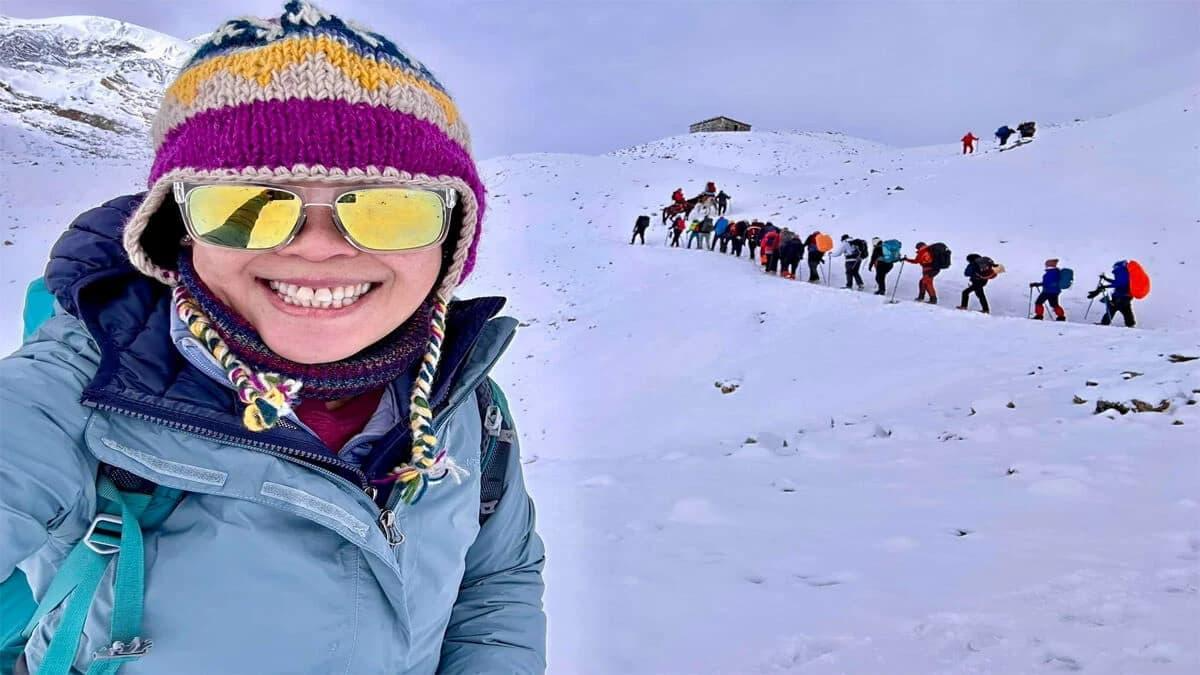
The most popular trekking season is autumn (September to November), which offers consistent weather, clear skies, and superb visibility of the mountains. Winter trekking (December to February) offers fewer visitors and spectacular snowy scenery, but it also increases the risk of harsh cold, icy pathways, and limited tea house availability. The monsoon season (June to August) is generally avoided for trekking in Nepal because to excessive rain, landslides, and treacherous terrain.
Choosing the proper season ensures safe conditions, fun trekking, and breathtaking Himalayan scenery. Trekkers can maximize both adventure and safety by organizing their journey around the seasons.
Preparation and Essentials
Trekking in the Himalayas is a rewarding trip that requires careful planning. Physical fitness is the top priority. Even mild excursions include lengthy days of trekking, steep ascents, and occasionally slippery terrain. Cardio exercises such as hiking, running, and cycling improve stamina, whereas strength training benefits your legs and core. Before your trek, practice using a weighted backpack on nearby trails to replicate real-world situations.
Packing intelligently is equally crucial. Layered clothing is vital for adjusting to warm days, cold nights, and unexpected weather changes. Essentials include thermal base layers, fleece or down coats, waterproof shells, and gloves. Trekking boots, thick socks, and gaiters will protect your feet and legs. Other necessary items include trekking poles, a decent backpack, a sleeping bag, a headlamp, and reusable water bottles.
Health and acclimation are critical at higher elevations. Gradual ascent and rest days allow your body to adjust, lowering the danger of altitude sickness. Never underestimate the need of basic first-aid equipment, drugs, and symptom awareness. Hydration, well-balanced meals, and proper sleep are all important. Before departing, make sure you have all necessary vaccinations and travel insurance that covers high-altitude treks and emergency evacuations.
Cultural and Environmental Considerations
The Himalayas are home to a broad range of cultures, including Sherpas, Gurungs, and Magars populations. Trekking responsibly entails respecting their traditions. Visiting monasteries, attending festivals, and communicating properly with locals all improve your experience while showing respect. Always obtain permission before photographing people, and dress modestly while visiting villages or religious locations.
Sustainable tourism is critical to preserving these sensitive areas. Many routes are under threat from garbage, deforestation, and over tourism. Following Leave No Trace principles carrying out all trash, using reusable bottles, and avoiding plastic helps to reduce environmental effect. Choosing eco-friendly lodges and hiring local guides benefits the community and ensures that your tourism makes a good impact. Simple gestures, such as avoiding noisy behavior and keeping campsites tidy, have long-term consequences for local ecosystems.
Trekkers get a deeper respect for both the people and the landscapes of the Himalayas by combining cultural understanding with environmental responsibility, leaving them better than when they arrived.
Recommended Agencies and Local Guides
While independent trekking is possible, hiring local guides and using reliable services can greatly enhance your Himalayan experience. Maps and books cannot provide the safety, local knowledge, and insider insights that guides do. They understand trail conditions, emergency exits, and weather patterns, and they can converse with villages, which improves cultural connections. Porters can carry heavy goods, making journeys more comfortable and minimizing pressure on the body.
Trusted services, such as Nepal Trekking Routes, manage logistics, permits, and accommodations, ensuring a flawless journey from beginning to end. They may customize treks based on fitness level, time limits, and personal preferences, whether you like short scenic routes or hard multi-pass experiences. Working with local teams improves the community's livelihood and makes tourism more sustainable. Choosing competent personnel is especially vital for high-altitude treks since safety and acclimatization management is critical.
Tips for Making the Most of Your Trek
Trekking in the Himalayas is about both the route and the goal. Planning rest days at strategic spots allows you to acclimatize, enjoy in the environment, and participate with local culture. Photography is vital, but so is being present in the moment a sunrise over a mountain pass or reflections on a glacier lake are experiences that last longer than images. Journaling your journey can also capture feelings, experiences, and lessons learnt.
Interacting with the locals adds richness to your adventure. Listening to stories, tasting local foods, and participating in modest events all promote significant cultural exchange. Stay flexible and adaptable; weather and trail conditions can change quickly, and accepting these obstacles frequently results in the most memorable moments.
Finally, trekking with curiosity and respect enhances all experiences. Observe nature with care, appreciate calm times, and enjoy the simplicity of tea houses and village life. Your Himalayan climb can become a transformative journey by combining preparation, cultural involvement, environmental awareness, and mindfulness, leaving you with lifelong stories, memories, and perspectives.
Conclusion
Trekking in the Himalayas is more than just an adventure; it is a journey that tests the body, inspires the intellect, and moves the soul. Every step, from snow-capped peaks and glacial lakes to thriving communities and historic monasteries, reveals a fresh story and perspective. Proper planning, respect for local culture, and safety awareness ensure that the experience is both memorable and enjoyable. Whether you opt for a short hike or a multi-pass trip, the Himalayas provide spectacular scenery, personal growth, and unique memories. Trusted companies such as Nepal Trekking Routes can provide you with the greatest guidance, maps, and support to make your travel pleasant and enjoyable.