
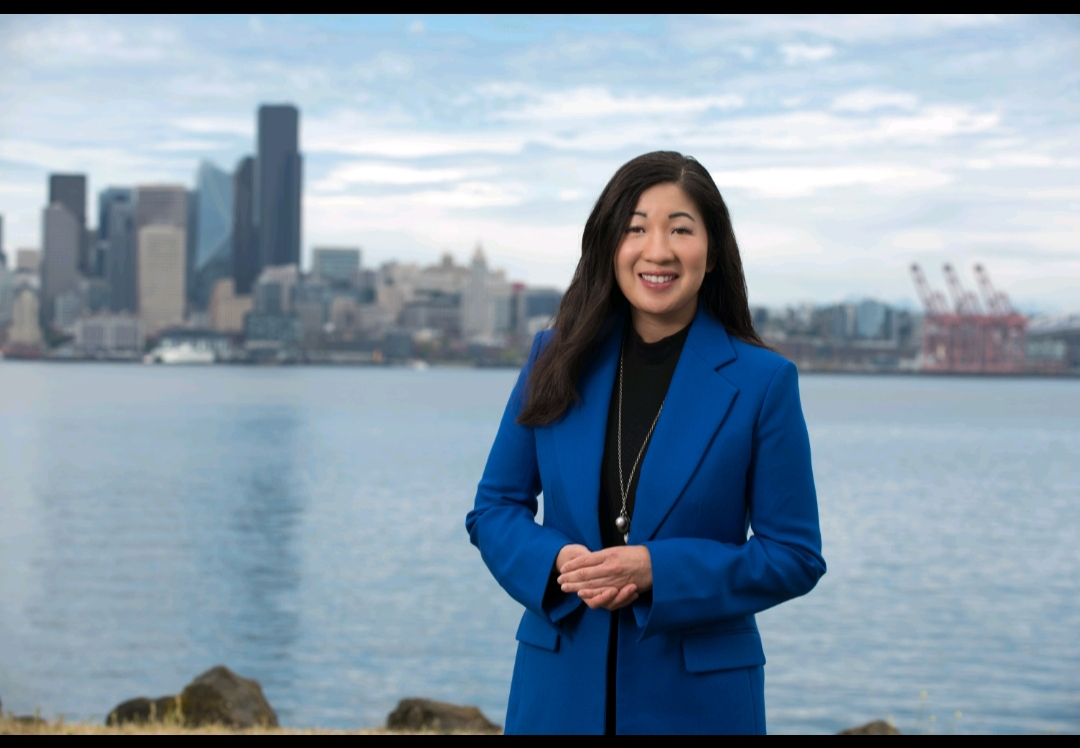
Tanya Woo is a prominent civic leader, entrepreneur, and advocate known for her dedication to preserving Seattle’s cultural heritage and fostering community development. As a fifth-generation Seattle native, Woo's commitment to the city's Chinatown-International District (CID) is deeply personal and rooted in her family's history. Her career has spanned various roles, from community organizer to historic preservationist, and even as a former Seattle City Councilmember. Her efforts have primarily focused on enhancing public safety, preventing displacement, and advocating for affordable housing, particularly through the restoration of historic sites. This interview provides insights into Woo's journey, her perspectives on urban development, and the challenges and hopes she holds for Seattle's future.
Background and Influences
How do you stay inspired and motivated when facing tough moments in public service or community advocacy?
I stay inspired by remembering the resilience of the Chinatown-International District and the elders and leaders who came before me. Even in the hardest moments, I see neighbors showing up for one another, protecting our cultural spaces, and keeping traditions alive. Their courage reminds me that advocacy is love in action, and that even small acts of care can create lasting change.
What’s one emerging trend in urban development, cultural preservation, or community safety that truly excites you right now?
I’m encouraged by the growing emphasis on community-driven safety models—approaches that center trust, compassion, and mutual aid rather than relying solely on traditional policing. In the CID, our community watch walks have shown how grassroots care can save lives and create safer neighborhoods. Seeing this model gain recognition excites me because it honors both accountability and compassion.
Challenges and Opportunities in Seattle
What are some of the biggest challenges facing Seattle’s neighborhoods—particularly the Chinatown-International District—today?
Displacement and gentrification continue to threaten the fabric of the CID. Our neighborhood faces systemic disinvestment, rising crime, and the impacts of fentanyl use. At the same time, small businesses and cultural landmarks struggle to survive amid development pressures. The challenge is how to revitalize while also protecting affordability, heritage, and the people who make this place home.
Where do you envision Seattle’s civic and community advocacy landscape in the next 5 to 10 years?
I envision a Seattle where civic leadership is more reflective of our communities—where voices from historically marginalized neighborhoods are not only included but centered. I believe we’ll see stronger coalitions across racial and cultural lines, with grassroots organizers working side by side with policymakers. My hope is that advocacy in Seattle will continue to evolve into something more collaborative, more inclusive, and more accountable.
Personal Reflections and Lessons
What advice would you give to someone hoping to pursue a career in public service, community organizing, or local government?
Don’t be afraid to take up space. Your voice matters, even when it trembles. Start by showing up in your community—listen deeply, build relationships, and be consistent. Public service is not about titles but about impact. Root your work in empathy and integrity, and remember that change often comes from persistence and collaboration.
If you could start your journey in advocacy and public leadership all over again, what would you do differently?
I would have given myself more grace early on—permission to rest, to ask for help, and to trust my instincts. I often carried too much alone, thinking I had to prove myself at every step. Looking back, I’d remind myself that strength is not just about endurance but about building alongside others.
The Essence of Seattle
Why do you believe Seattle is such a special place to live, work, and engage in community building?
Seattle is where generations of immigrants, like my own family, carved out lives and created communities against the odds. It’s a place where cultures intersect, where resilience runs deep, and where neighborhoods like the CID carry histories that connect us to both pain and pride. What makes Seattle special is its people—neighbors who show up, organize, and fight to make sure the city belongs to everyone.
What single initiative or project would you consider your most significant career accomplishment, and why?
Preserving and redeveloping the Louisa Hotel after the 2013 fire is one of my proudest accomplishments. We transformed a building many said we couldn’t save into affordable housing while honoring its cultural history. It was more than a restoration project—it was a statement that our community’s stories matter, and that we will not be erased.
These reflections and insights reveal Woo's deep commitment to her community and her vision for a more inclusive and responsive Seattle. Through her work, Woo continues to inspire and drive change, ensuring that the voices of those often unheard are amplified and respected.
Expertise and Achievements
Can you tell us more about the impact of your efforts in preserving Seattle's cultural heritage, specifically in the Chinatown-International District?
Preserving and redeveloping the Louisa Hotel after the 2013 fire stands out as one of my most significant accomplishments. Not only did we transform a space many thought was beyond saving into affordable housing, but we also maintained its cultural history. This was more than just a construction project; it was about ensuring that our community's stories are not lost. It was a testament to the power of community-driven preservation and the importance of honoring our past while building for the future.
How do you integrate your business acumen with your community advocacy work?
My background in business has taught me the importance of sustainable models and strategic partnerships. I leverage these skills by fostering collaborations between the private sector and community organizations. This approach ensures that economic development is inclusive, benefiting all residents, not just those in positions of power. It's about creating opportunities where everyone can thrive, while also protecting the rich cultural fabric of neighborhoods like the CID.
Vision for the Future
What future developments or projects are you most excited about in Seattle’s community advocacy landscape?
I'm particularly excited about initiatives that amplify community voices in public policy. Seattle is on the verge of seeing more grassroots movements gain traction, with organizers and residents leading discussions on urban planning and safety. This shift towards community empowerment, where decisions are made with direct input from those most affected, is crucial. It promises a more equitable and responsive city.
How do you see the relationship between Seattle's past and its future in terms of urban development?
Seattle's future is inherently linked to its past. Our city's history of diversity and resilience provides a blueprint for sustainable urban development. By learning from the challenges immigrant communities have faced—like displacement and cultural erosion—we can create more informed policies that prioritize long-term inclusion and heritage conservation. The key is to balance growth with preservation, ensuring that development respects the city's cultural and historical identity.
Personal Reflections
Outside of your professional life, what activities or traditions help you maintain balance and well-being?
Performing Chinese cultural dances and spending time with my family are sources of immense joy for me. These activities keep me connected to my heritage and offer a way to recharge. Volunteering with local groups also plays a significant role; it's a reminder of the community spirit and resilience that drive my advocacy work. These practices reinforce the importance of joy and creativity in sustaining long-term community efforts.
Is there a particular quote or principle that guides your leadership and advocacy efforts?
"Advocacy is love in action" is a principle I hold dear. It encapsulates the idea that leadership is about care, courage, and consistency. Every policy decision, every community engagement, is underpinned by the need to show up and remain dedicated to those we serve—even when the systems we operate within seem broken. This belief is the foundation of my work and decision-making.
Through her various roles and initiatives, Tanya Woo continues to shape Seattle’s community landscape with a focus on inclusivity, heritage preservation, and economic opportunity. Her dedication to creating systems that honor the city's diverse history and invest in its future remains steadfast. Woo's journey exemplifies the power of community-driven change and serves as a blueprint for aspiring advocates and leaders.











