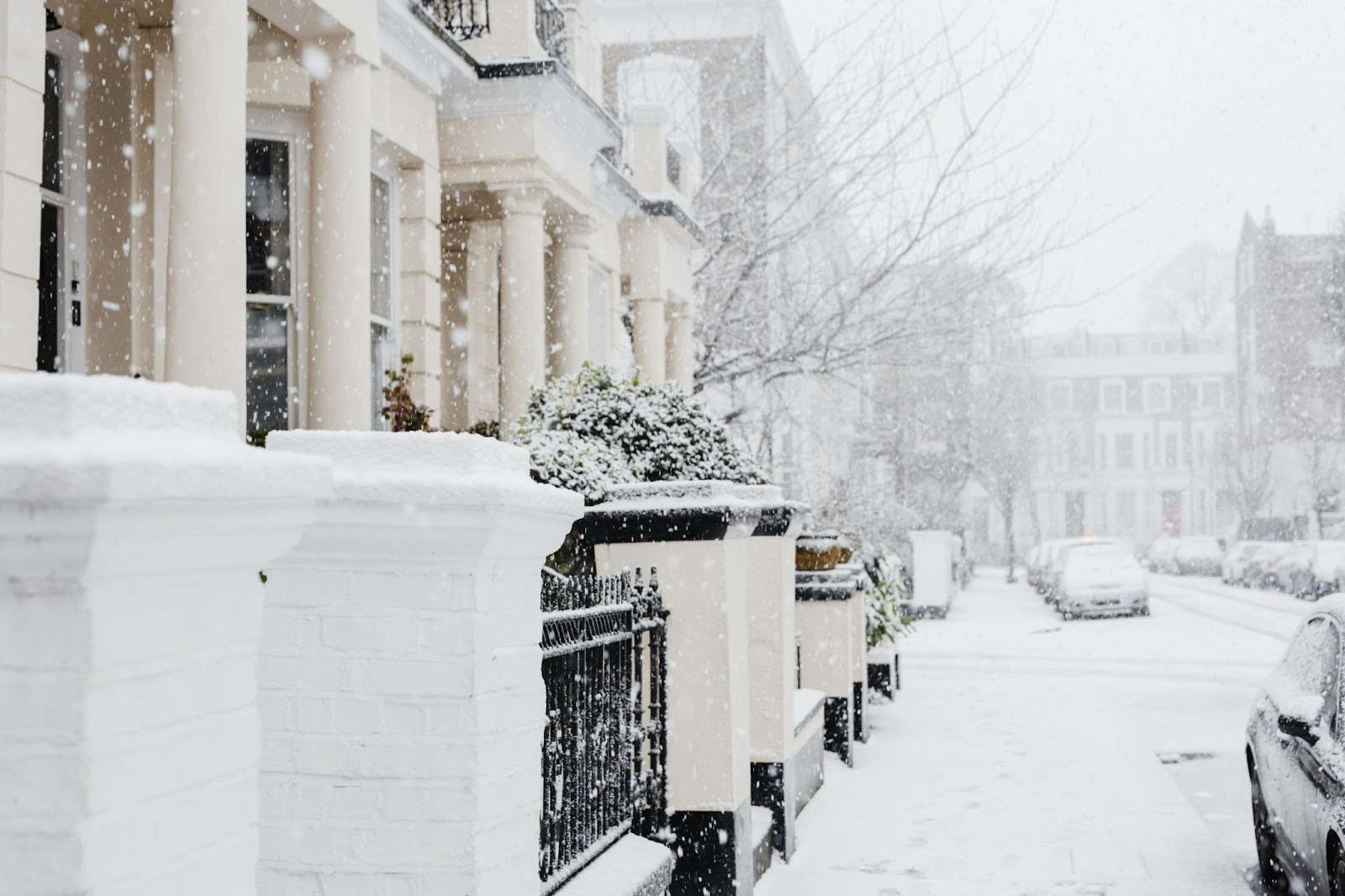
We know winters can be quite eventful in Montgomery County. This January, the area saw Westerly winds, snowstorms, and temperatures in the single digits. The cold front is intense enough to warrant heating, keeping local homes snug and warm.
Household finances can become stressful during winter. Heating costs deplete many budgets, especially since people spend more time indoors. The UK government recently expanded its “Warm Home Discount” to make more households eligible for a £150 discount on their winter energy bills. Meanwhile, a CNET survey reports that over 60% of US adults anticipate stretched finances because of their winter energy bills.
Here are three household edits that can bring much-needed cost savings when the temperatures begin to fall. And no, we won’t include buying “energy-saving” heaters or asking you to stop taking long, hot showers.
The first line of action many of us adopt to reduce energy costs is lowering the thermostat’s temperature setting. When you tinker with it smartly and consistently, this method can lead to cost savings over time.
The US Department of Energy notes that turning the thermostat back by 7 to 10°F for a few hours daily can lower bills by 10% annually. For example, a setting of 68 to 70°F is typically optimal for comfort. However, you could use a lower setting during the night, letting the covers keep you snug.
Smart thermostats can make this job easier through real-time monitoring and dynamic control based on the ambient conditions. With this adaptive adjustment, the household can adjust the HVAC system to multiple preferences, including occupancy.
However, it is crucial not to stretch this too far, i.e., bring the heat down to an uncomfortable point. You don’t want the water pipes to freeze! Moreover, staying comfortable is crucial to maintaining wellness through long and difficult winters.
Suppose your HVAC system is working fine. Your appliances are optimal. However, the heat escaping from your house is considerable. You will still see a hefty energy bill unless you proactively work on the insulation.
Many homes, especially older ones, may have doors and windows that don’t shut properly. Heat escapes from them easily. One can manage this situation through weatherstripping, i.e., placing a strip of vinyl or metal in the gaps. These strips can lock the heat in while also keeping drafts and precipitation out.
Homeowners can use this method for both exterior and interior doors. Attic and basement, too. The best approach is one that feels most relevant to you and your house. So, you might consider other areas that could benefit from insulation, say an art workshop you have built in your backyard.
Another strategy to minimize the energy transfer from your house is to use a thermal break. A contractor can help install these plates at optimal spots to encourage thermal insulation at an affordable price.
According to Fabreeka, reliable thermal break pads should have good compressive strength and low thermal conductivity. These characteristics can help homeowners reduce thermal bridging, or spots through which heat can pass.
Winter brings to mind hot cups of chocolate, feet on snuggly rugs, and twinkling lights enlivening the curtains. As it turns out, some upholstery elements are as functional in winter as they are decorative.
The idea is that adding fabrics and padding around the house can keep more heat inside and bring you warmth. It is a more practical and comfortable approach than wearing jackets at home (which many of us are unwilling to do).
For example, you can place a thick rug on the floor to bring character and warmth to your living space. When your feet won’t come in contact with chilly floors, you will feel less tempted to turn up the heat.
Another strategy is to keep the drapes pushed aside during the day to maximize the amount of sunlight that enters the house. The warmth can cheer up your electric bills. Cover up the windows at night, opting for thermal-insulated curtains to prevent heat loss.
Additionally, exposure to sunlight may also help you manage mood fluctuations like SAD, or Seasonal Affective Disorder. Harvard Health explains that low sunlight levels during short days can affect the body’s circadian rhythm, causing an imbalance that may contribute to a low mood.
You never know, natural light streaming in from windows might even tempt you to venture outside on weekends. You won’t need to feel stuck inside all day and keep the heat turned on. Anyhow, neither the human brain, which demands stimulation, nor your expensive furniture appreciates being next to the radiator for long periods.
As North Penn gears up for winter, it is worthwhile taking time out to make these small modifications around the house. They will help you lower energy bills, with benefits accruing over time. Moreover, they are action-oriented steps that allow you to control your living circumstances to a degree. It is empowering to feel some control in these times of rising living costs.