In a time when screens dominate our daily lives and the pace of life rarely slows, public parks and green spaces have quietly remained essential sanctuaries. These natural havens don’t just offer aesthetic beauty; they serve as vital breathing spaces, both literally and figuratively. Whether it's a weekend walk along the trails of Fischer’s Park or an early morning jog at Whites Road Park, many North Penn residents are rediscovering how restorative it can be to pause, breathe deeply, and let nature do what it does best.
As more people look for holistic ways to maintain their respiratory health, it’s not uncommon to see increased interest in herbal remedies and homegrown wellness practices. That’s why many locals are now exploring herbs for lung health as part of a broader effort to strengthen immunity and improve breathing. When paired with fresh air and outdoor movement, these natural solutions create a lifestyle that feels as sustainable as it is effective.
Public parks are more than patches of green in a sea of asphalt. They are equalizers, free, accessible, and inclusive spaces that welcome people of all ages, abilities, and walks of life. Especially in tight-knit towns like those across Montgomery County, parks offer both physical and mental rejuvenation. A playground becomes a social hub. A bench under a sycamore tree becomes a thinking spot. A hiking trail transforms into a personal gym.
Yet their role in public health is often underestimated. The Centers for Disease Control and Prevention (CDC) recognizes parks as important tools in improving community wellness. Access to parks is directly correlated with increased physical activity, reduced stress levels, and better cardiovascular and respiratory health. Parks encourage people to move more and sit less, an especially valuable shift in an era of sedentary lifestyles.
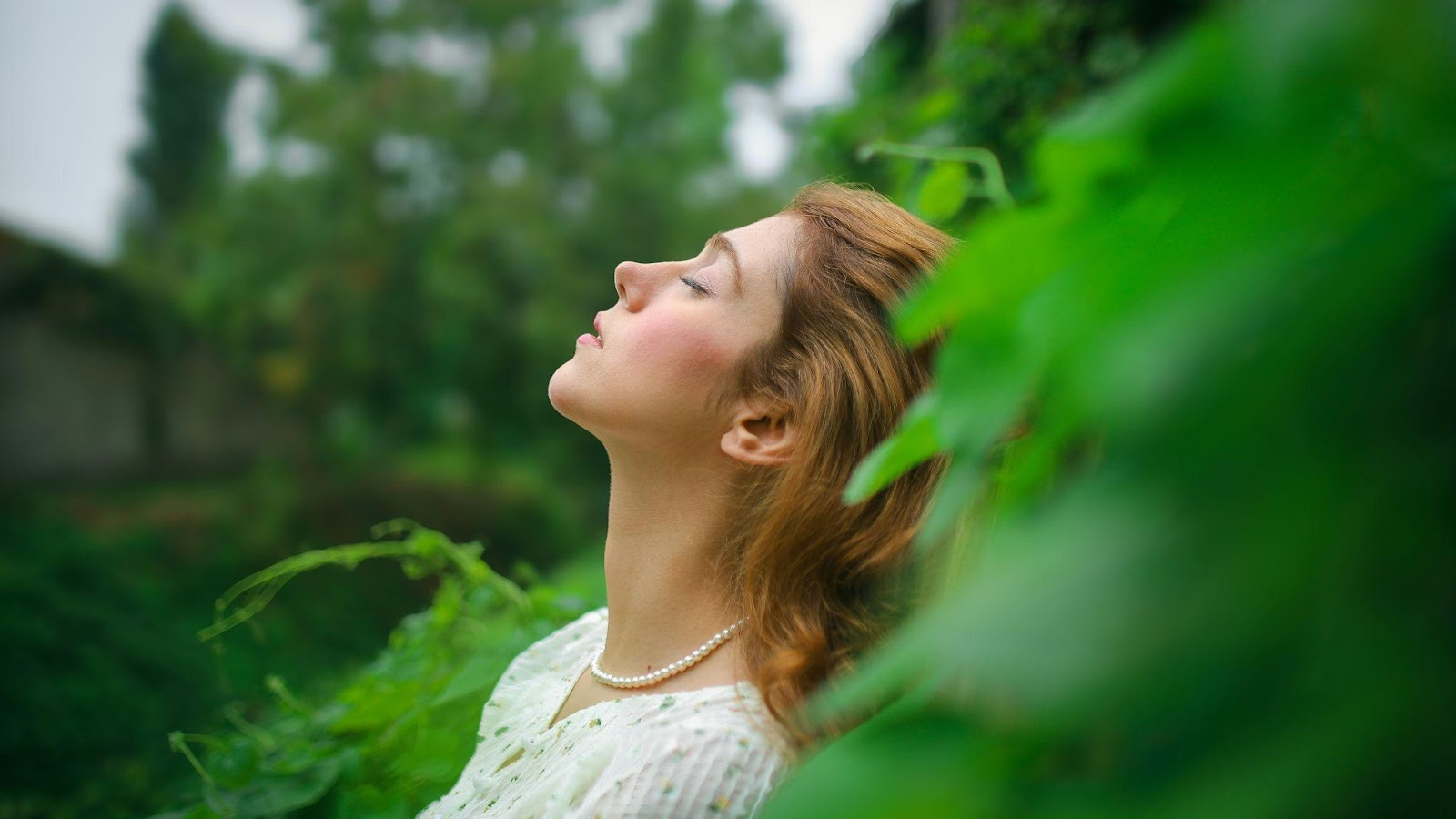
Breathing fresh air isn’t just refreshing, it’s physiologically important. Air quality tends to be better in well-treed areas, where leaves act like natural air filters. In a community context, this means local parks help reduce pollutants and provide a space where lungs can get a much-needed break from the stuffy indoors.
Even brief exposure to green spaces has been linked to lower levels of cortisol, the stress hormone that contributes to inflammation. And inflammation, particularly in the respiratory tract, plays a central role in asthma and other breathing conditions.
By visiting parks, people subconsciously adopt better breathing habits. You inhale deeper, more rhythmically. You slow down. Your posture opens up. These subtle physiological responses can be enhanced by incorporating plant-based aids like herbal teas or essential oils that feature ingredients known to support lung function. It’s this fusion of environment and personal care that defines a modern approach to wellness.
For centuries, people have turned to herbs to help open airways, soothe coughs, and reduce congestion. Today, that tradition is supported by a growing body of scientific research. For example, mullein, often brewed as a tea, is praised for its ability to soothe inflamed respiratory tracts. Peppermint contains menthol, which can ease breathing by relaxing muscles in the respiratory system.
But herbs work best when integrated into a broader lifestyle. A cup of thyme tea or a tincture with licorice root isn’t a cure-all. But in combination with deep breaths in an oxygen-rich environment, it becomes part of a sustainable approach to lung care. By being intentional about time outdoors and what we put into our bodies, we give our respiratory system its best shot at resilience.
This dual approach of outdoor activity and herbal support aligns with recommendations from public health experts. According to the National Institutes of Health (NIH), maintaining respiratory health includes regular aerobic activity, avoiding pollutants, and using supportive botanical treatments when needed.
While lungs take the lead role in any breathing-related discussion, the mind benefits just as much. Studies have repeatedly shown that exposure to green spaces reduces symptoms of anxiety and depression. This is especially relevant in communities where pandemic-related stress still lingers, and where digital fatigue has left many feeling scattered and overstimulated.
When a child runs barefoot through grass or a couple walks hand-in-hand through tree-lined paths, they are participating in small acts of healing. The mind-body connection deepens, and the daily noise softens. These are the moments that parks were made for.
Parents, especially, benefit from this trickle-down effect. Children with more access to green space tend to exhibit better attention spans, emotional regulation, and lower levels of behavioral problems. And parents, in turn, gain not only a change in scenery but also a small window of mental reprieve.
North Penn isn’t just rich in natural spaces, it’s rich in community spirit. Many of the local parks double as venues for farmer’s markets, seasonal festivals, and fitness classes. These gatherings remind us that wellness is not a solitary endeavor. It’s something built in connection with others.
Attending an outdoor event becomes more than a calendar item. It becomes a lifestyle choice: to get off the couch, breathe fresh air, and experience the unfiltered benefits of sunlight and nature. And it creates a ripple effect. Kids who learn to enjoy these outings grow up associating wellness with movement and community, not gym memberships or dieting fads.
What if, instead of scheduling workouts or managing stress as afterthoughts, we designed our days around breathing? Starting the day with a brisk walk in the park. Drinking a mug of herbal tea known to support respiratory health. Eating lunch under a tree instead of at a desk. These small shifts add up.
Designing for breath means choosing environments, rituals, and foods that support the lungs, soothe the nervous system, and ground the mind. It’s preventative health at its most practical. And it's a framework that anyone, at any age, can adopt.
It doesn’t require expensive tools or special training. Just a willingness to pause, step outside, and remember that some of the most powerful health strategies begin with air and intention.
Parks are not just amenities, they are public health resources hiding in plain sight. In communities like North Penn, they offer more than trails and trees. They offer restoration. And in times marked by stress, pollution, and digital overload, they serve as a quiet reminder that wellness begins with a breath.
Pairing the simplicity of outdoor time with intentional self-care habits, like exploring herbs for lung health, isn’t just smart. It’s sustainable. It’s human. And it’s available to all of us, right now, at the end of any tree-lined path.