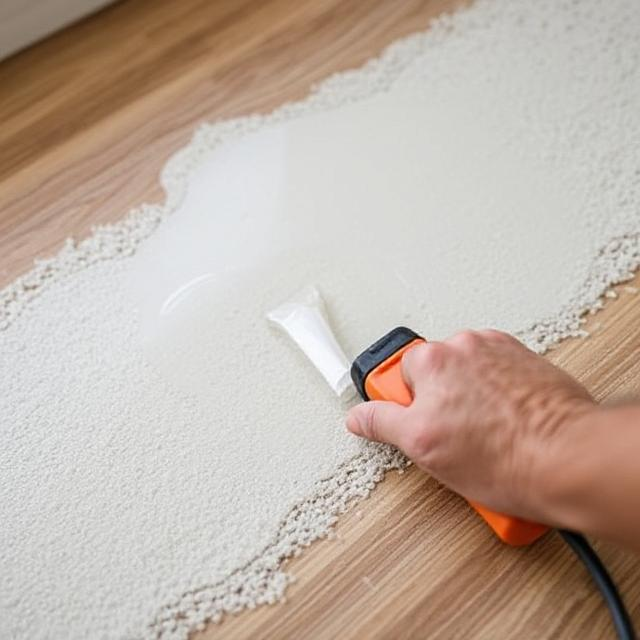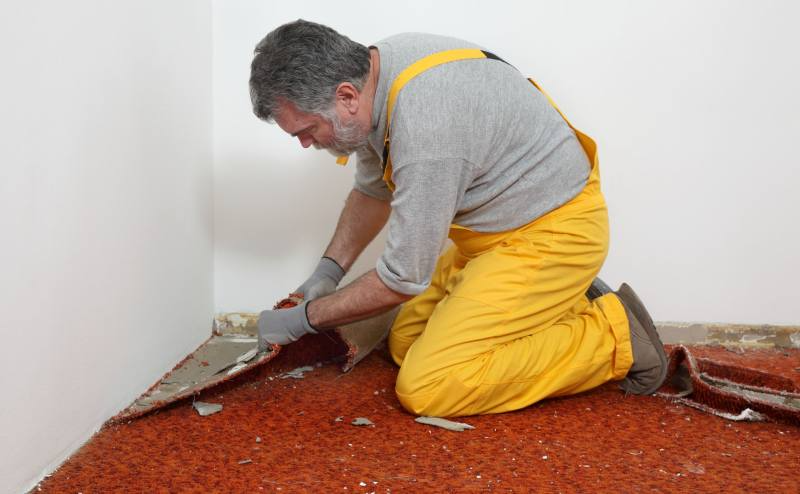
Removing old carpet glue can be one of the most frustrating parts of a flooring renovation. Whether you’re switching to hardwood flooring, tile flooring, or laminate floors, leftover carpet adhesive can leave your subfloor uneven and sticky. If not properly removed, it can cause problems with your new flooring installation.
This guide walks you through how to remove old carpet glue from your floor effectively, covering the best tools, methods, and safety tips.
Old floor adhesive, sometimes called mastic adhesive, can cause several problems:
By removing the glue entirely, you ensure a smooth, clean subfloor that’s ready for a flawless finish.
Before you start, gather the right carpet glue removal tools to make the job easier:
Having these items on hand will help you work efficiently and safely.
Not all carpet adhesives are the same, and knowing the type helps you choose the right removal method:
If you’re unsure, test a small area with heat or adhesive remover to see how it reacts
Best for small areas or less stubborn glue.
Tip: This method works well on plywood subfloors, but be careful with hardwood or concrete to prevent scratches.
Best for black mastic adhesive or tar-based glue.
Safety Tip: Avoid overheating to prevent floor damage or releasing harmful fumes.
3. Chemical Adhesive Remover Method
Best for stubborn carpet flooring glue on large areas.
Important: Work in a well-ventilated area and follow all safety precautions.
Best for water-based carpet glue.
Concrete floors often absorb adhesive, making removal more challenging.
Pro Tip: Avoid overly harsh chemicals that can damage sealed concrete floors.
Hardwood floor glue removal requires extra care:
To avoid the hassle of glue removal later:
When Should You Call a Professional?
Consider professional carpet glue removal services if you face:
Professional flooring installers and contractors have industrial floor grinders and the expertise to handle hazardous materials safely.
Removing old carpet glue from your floor is a crucial step for a successful flooring installation. With the right tools, techniques, and safety measures, you can prepare a smooth, clean surface for your new flooring material. Take your time, work in sections, and choose the removal method best suited for your adhesive type and flooring surface. And if you want a spotless finish beyond just glue removal, consider hiring our professional carpet cleaning services to keep your floors looking fresh and well-maintained.
1. What’s the best way to remove old carpet glue from concrete floors in my Chicago home?
Start by scraping off as much glue as possible with a floor scraper at a 45-degree angle. Pour boiling water over the glued spots to soften the adhesive, then scrape again. For tougher glue, use eco-friendly adhesive removers made for concrete floors, letting them soak before scraping. For large areas, rent power tools like floor grinders from local stores. Always wear protective gear and proceed carefully to avoid floor damage.
2. Can I use household items to remove carpet adhesive, or do I need professional products?
Household items like boiling water can soften some water-based glues for easier removal. However, heavy-duty adhesives usually require professional-grade, low-VOC adhesive removers that are safer and more effective indoors.
3. Is it safe to use chemical adhesive removers indoors during Chicago winters when I can’t open windows?
Yes, if you use low-VOC, eco-friendly adhesive removers, wear proper safety gear, and run fans to ventilate the room, even if windows remain closed due to cold weather.
4. Can I remove carpet glue myself, or should I hire a Chicago flooring contractor?
DIY removal works for small areas with light adhesive. For large floors, stubborn glue, or if you’re installing hardwood or tile, it’s better to hire our professional Chicago flooring contractor for faster and better results.
5. How much does it cost to have carpet glue professionally removed in Chicago?
Professional carpet glue removal in Chicago typically costs between $1.50 and $3.50 per square foot, depending on the adhesive type and floor size.
6. Do I need to remove carpet glue before installing new flooring?
Yes, removing old glue is essential to create a clean, smooth subfloor that ensures proper bonding and prevents future flooring problems.
7. How long does it take to remove carpet glue from an average Chicago apartment floor?
For a typical 200-300 square foot apartment floor, removal usually takes about 3 to 6 hours, depending on the glue’s thickness and age.
8. Will removing old carpet glue damage my hardwood floors underneath?
If done carefully with the correct tools and products, you can remove carpet glue without damaging hardwood floors. For historic hardwoods, consulting a professional is advised to avoid scratches or gouges.
9. What’s the easiest method for removing carpet glue from a basement floor in Chicago homes?
Use heat guns, scrapers, and chemical adhesive removers. Make sure there is good ventilation and keep an eye on moisture, which is a common basement concern.