At least 2.2 billion individuals throughout the world are either completely blind or severely visually impaired. The use of 3D-printed models provides a novel means of exploration for visually impaired students. The tactile exploration of three-dimensional models of iconic sites, landscapes, or even art pieces (in the case of ACM) offers an educational advantage over more static representations.
This article will explore the revolutionary effects of 3D printing on special education, specifically looking at how it facilitates independence, individualization of instruction, and the removal of obstacles to learning for children with a wide range of abilities and backgrounds.
Students from marginalized communities, especially those who are blind or have severe visual impairments, greatly benefit from using 3D graphics in the classroom. When it comes to providing an education that is accessible and inclusive, traditional learning tools frequently fall short. By providing a hands-on method of instruction, 3D printing technology covers these drawbacks.
When compared to 2.5D tactile visuals, 3D printed models are much easier to understand, which is a major benefit. Students can better explore and understand concepts with the added dimension, leading to a greater understanding of the subject.
Furthermore, as compared to other tactile visuals, 3D models are a more economical option. Teachers no longer have to worry about going over budget to make personalized and easily available learning materials because of the low cost of 3D printing.
One additional advantage of using 3D visuals is the ease with which one may access complex items. Students can explore a wider range of educational information by making their own versions of things that are too big, too tiny, too risky, too valuable, or too rare. This guarantees that every student, irrespective of their skills, has an equal opportunity to participate in enriching educational activities.
Both visually impaired and sighted students can benefit from 3D models in an integrated classroom, which promotes inclusivity. By working together, students with different needs are able to interact with course material in a way that promotes understanding and acceptance of one another.
Science and engineering: When it comes to teaching complicated ideas in the STEM fields, 3D models have been game-changers. The human body, the solar system, and the inner workings of machinery are all complex concepts that might be difficult for special kids to grasp through standard means of instruction. Students are able to feel and engage with copies of anatomical structures or mechanical components through the use of 3D models, which allows for tactile investigation. An example of this would be a three-dimensional representation of the heart, which would allow one to physically explore its chambers and learn about its inner workings.
Art and History: 3D models are a great asset to teaching art and history. Students with special needs who may have trouble seeing historical relics or understanding complex artistic elements can now participate more actively. Students can feel the texture and investigate the thing from all angles with the help of 3D models that teachers can utilize to bring historical artifacts or sculptures to life. In this way, pupils are better able to understand and appreciate works of art or historical events.
Language learning: Another area where 3D models are quite helpful for exceptional pupils is language acquisition. Educators can use these models in their lessons on other languages and cultures to enhance student engagement and participation. Students can get a more well-rounded grasp of language, traditions, and customs when they can view and touch real cultural artifacts in a 3D model, for instance.
Medical education: 3D models are now essential for teaching surgical techniques and anatomy in medical schools. Tactile exploration of anatomical features can greatly aid special education students pursuing medical degrees by providing a greater understanding of the human body. By simulating surgical operations or letting students handle and study organ replicas, 3D models provide a practical way to learn and improve students' abilities.
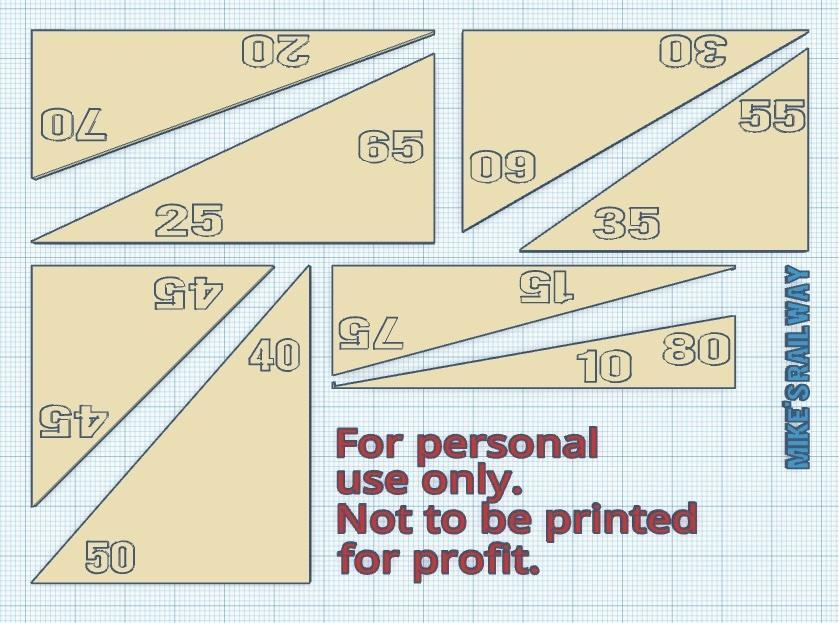
If you're making 3D models to fit into tight spaces, these printable angle templates are a great way to get the right measurements. Each meticulously made template is around 2 mm thick and has numbers engraved on it for quick reference. The 80 mm length of these templates makes them a great tactile tool for students with special needs to learn about and practice with angles. Despite their imprecision, they are useful tools for design processes and have accomplished great things in the realm of education.
These templates are designed for convenient, simultaneous printing and are printable as a single STL file. The recommended print parameters, developed with a Creality Ender 3 Pro printer and Sunlu PLA+ filament, guarantee the best possible print quality. The templates are clearly not meant for commercial use but for personal and educational usage only. This highlights the dedication to making education accessible.
Download Link: Thingiverse
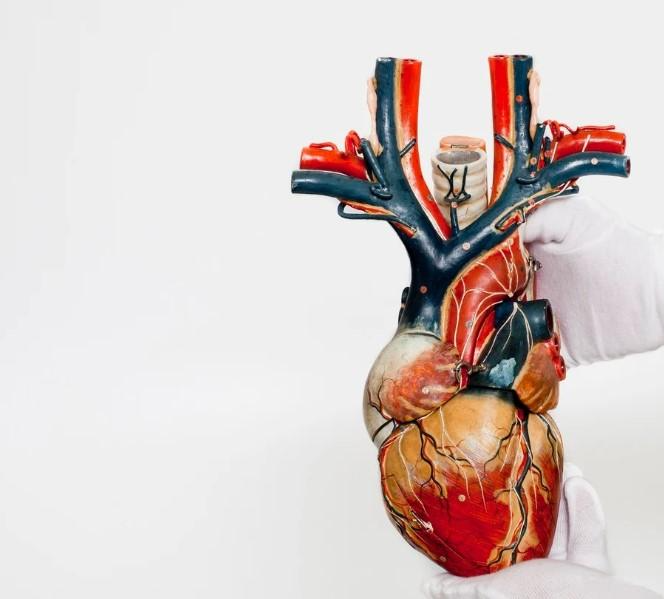
This three-dimensional model shows the anatomical structure of a dissected heart in all its papier-mache glory. The Shimadzu Corporation made this model in 1875 and formerly belonged to the Museum of Applied Arts and Sciences. Designed with the objective of educating, the model is a priceless tool for anatomy and physiology students.
This 3D model permits exceptional students to investigate the heart's complex architecture without undergoing a cadaveric examination, which is a time-consuming and inconvenient process. The software Hack the Collection, in which modern designers imaginatively altered 3D object files, was responsible for the scan. By displaying the scanned model next to the original, we can see how historical objects and modern technology may work together to enrich educational opportunities.
Download Link: Thingiverse
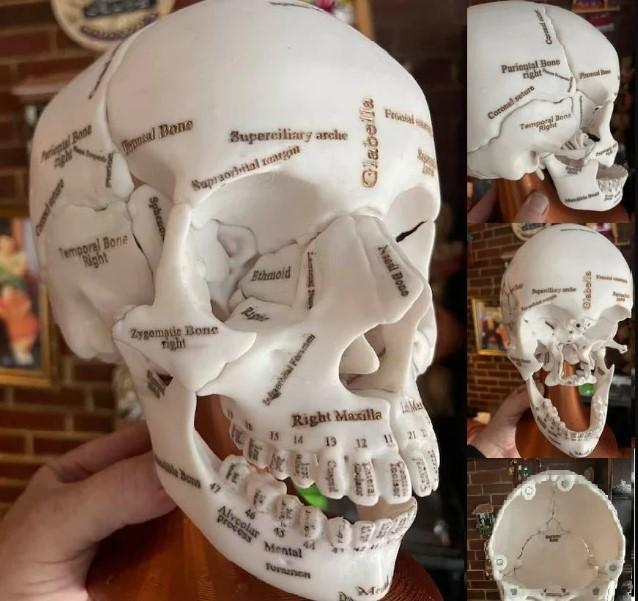
Expanding on the earlier work of Dave Makes Stuff's 18-piece anatomical model, ELViolette's annotated 3D-printable human skull is an outstanding educational resource. Add annotations made with Microsoft 3D Builder to this moderately difficult build; it's perfect for use in medical education.
For a lifelike bone appearance, the model is printed with white PLA filament and then painstakingly sanded, wet-sanded, and marked with Tester's gold enamel model paint. Indexing teeth using the French technique improves precision. This 3D model is a valuable resource for students studying human anatomy. It is compatible with the FlashForge Adventurer 3 printer and uses SUNLU PLA - Carbon Fiber filament. The model is thorough and visually detailed.
Download Link: Thingiverse
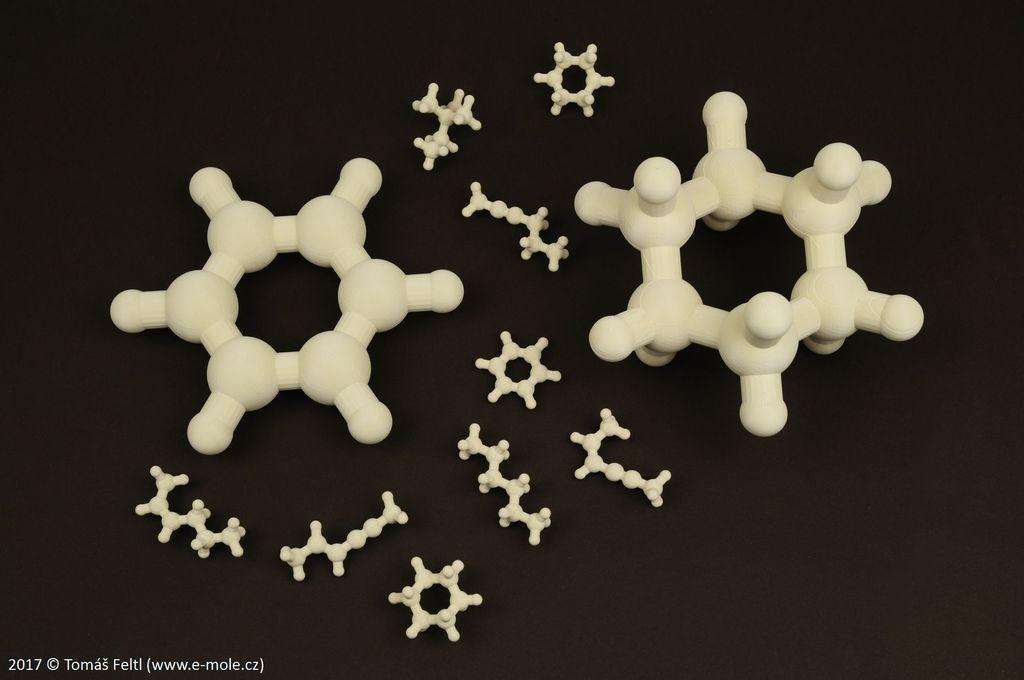
Using 3D-printed replicas of hydrocarbons, ToFe offers an interesting approach to teaching organic chemistry. This set includes nine fundamental models, each with six carbon atoms, to help students become acquainted with alkanes, alkenes, alkynes, cycloalkanes, and arenes. The 10 mm carbon beads allow for rapid printing, so every student can have their own set for hands-on learning.
Benzene, cyclohexane in chair and boat conformations, Z-hex-4-en-2-yne, hex-2-yn, 2,2-dimethylbutane, and Z-hex-2-ene are all part of the set. These models also make it easy to show and practice many types of isomerism, making them a useful tool for chemistry teachers. The recommended print settings guarantee optimal results, making organic chemistry teaching more accessible; they are compatible with Molestock printers.
Download Link: Thingiverse
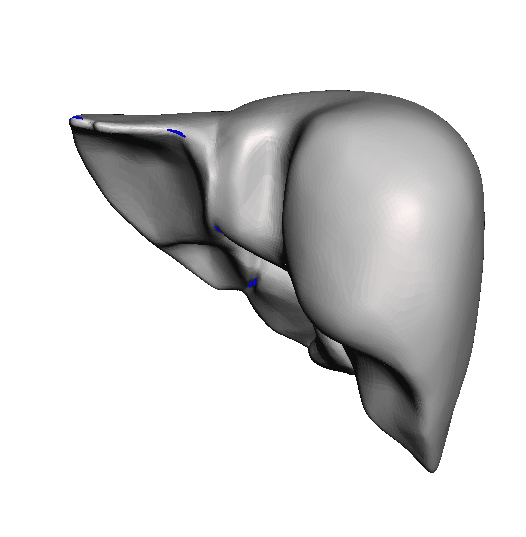
An essential human organ, the liver, is now available in a high-resolution 3D model thanks to MOMENTUM3D. The liver is an essential organ located in the top right quadrant of the abdomen. It produces bile, filters blood, stores glucose, and synthesizes proteins, among other vital functions. For instructional or simulational reasons, the STL files provide a realistic portrayal of the liver's three-dimensional shape, which is ideal for medical and research applications.
Featuring the lobes and their link to the circulatory system, this liver model is anatomically realistic. It is more lifelike because of the fibrous capsule that surrounds the liver. Despite the need to adjust the model's scale according to printer specs, it remains a vital tool for academics and medical students pursuing an exact simulation of the human liver.
Download Link: Cults
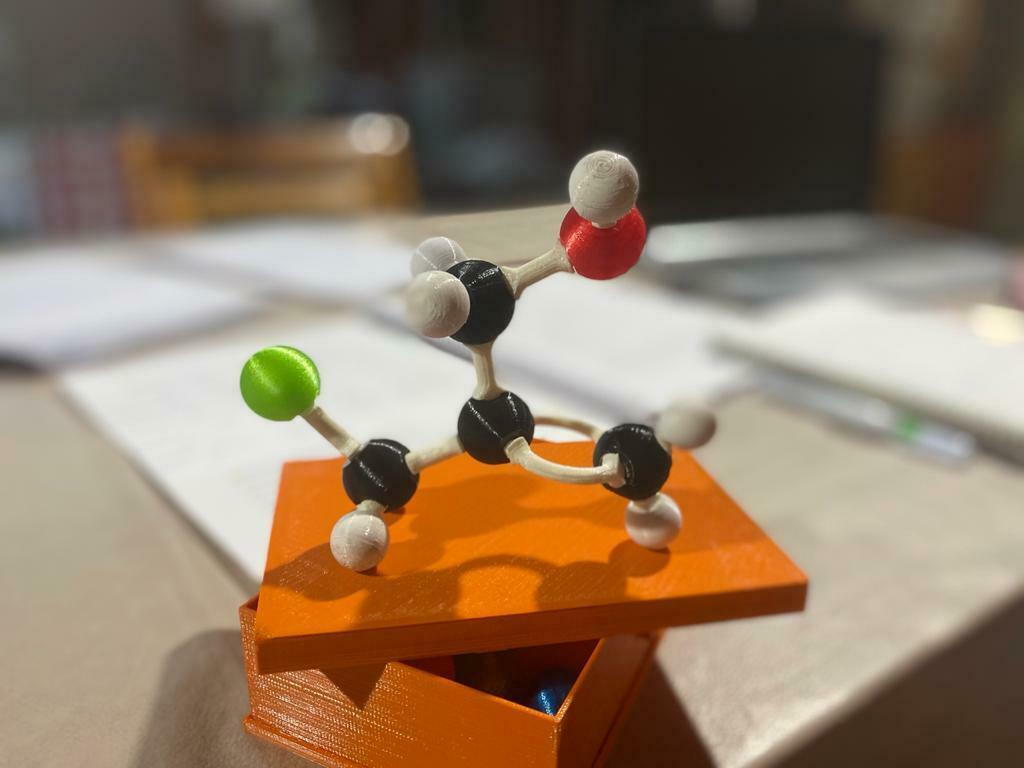
Chemistry educators and students will find JAIROCORNEJO's collection of molecular models to be an invaluable resource. Designed for effortless fitting and personalization, these models accommodate an endless array of molecules. The models, made of PETG, feature several components such as hydrogen, carbon with 2, 3, and 4 holes, nitrogen, oxygen, and more.
With 30% infill and 25% layer fan, the 3D printing settings suggest a layer height of 0.18mm. From bond lengths to box dimensions, the complete specifications of each molecular component serve as an all-inclusive printing and assembly guide. These molecular models make chemistry lessons more engaging by letting students see and comprehend the architecture of different molecules.
Download Link: Cults
In education systems, 3D-printed models are much easier to understand, especially for those who are blind or have severe visual impairments, which is a major benefit. Students can better explore and understand concepts with the added dimension, leading to a greater understanding of the subject.
There are many 3D design software available for making educational 3D models, but we recommend using SelfCAD. It helps students acquire career-ready skills. One key 3D modeling feature of the program is to create both simple and complex designs with ease.
A standout aspect of SelfCAD is its educational portal, which is designed to cater to the specific requirements of instructors. The platform offers a variety of tutorials and materials to help teachers and students successfully include 3D modeling in their lessons. Once students begin using SelfCAD in elementary school, they can continue using the same software as they progress to middle school and throughout their high school years.
SelfCAD also comes with powerful 3D rendering software that you can use to render your designs and generate realistic images. It is affordable and has many resources for learning the software, such as SelfCAD academy, interactive tutorials, 3D modeling 101 series, as well as 3D modeling for beginners videos.