For many households in North Penn and beyond, the journey toward sustainability doesn't begin with a grand solar panel installation or a backyard composting revolution. Sometimes, it starts with the smallest of swaps, like switching to laundry sheets made in USA that take up less space, skip the plastic, and save water with every wash. While they may seem like minor choices in the grand scheme of things, these subtle shifts add up to major change when adopted at scale.
Whether you're a Lansdale homeowner looking to cut utility bills or a Harleysville renter wanting to tread a little lighter, here are five realistic, low-effort ways to reduce your carbon footprint right where it matters most: your home.
1. Upgrade Your Laundry Game
Let’s start where most of us begin (and often end) our Sundays: laundry.
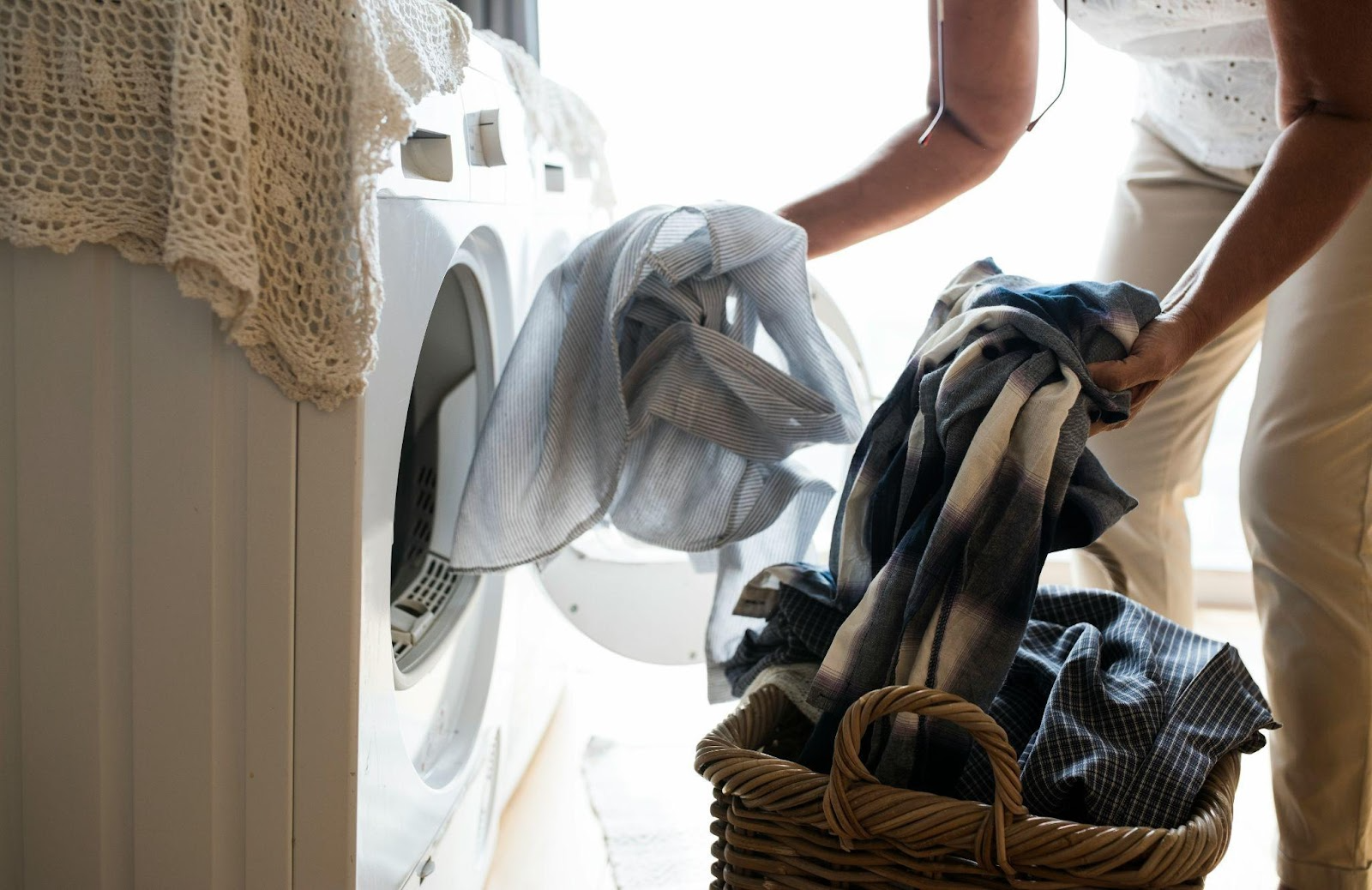
Traditional laundry routines can be surprisingly wasteful, from oversized detergent jugs to unnecessary hot water cycles. By rethinking just a few aspects of your laundry ritual, you can reduce emissions, waste, and even save money.
It’s a small change, but over the course of hundreds of laundry loads per year, it makes a real dent.
2. Choose Smarter Light Bulbs and Lighting Habits
Lighting is one of the easiest places to save energy in a home. If you’re still using incandescent bulbs, you're not just behind the times, you’re burning unnecessary watts.
Reducing the carbon footprint here is more about awareness than effort. One unswitched bulb may not seem like a big deal, but dozens of them burning all day can quietly add up.
3. Rethink Heating and Cooling Habits
Climate control is one of the largest contributors to a home’s carbon output. But going net-zero doesn’t necessarily require massive HVAC upgrades or solar panels.
As the EPA explains in its Home Energy Efficiency Guide, small behavioral changes can significantly reduce household greenhouse gas emissions, and they don't have to cost much upfront.
4. Reduce Single-Use Plastics in Everyday Routines
We often think of emissions in terms of smokestacks and tailpipes, but plastics are carbon-intensive from creation to decomposition. They’re made from fossil fuels, and their long decomposition time keeps them in the waste stream for centuries.
Here’s how to subtly swap out plastic in everyday life:
These changes are easy to implement, don’t affect your quality of life, and help break the cycle of single-use culture.
5. Cook (and Shop) with the Environment in Mind

Kitchen habits can either support or undermine your sustainability goals. You don’t need to go vegan overnight or grow all your own food, but simple changes go a long way.
A little mindfulness goes a long way. Plus, you'll likely eat healthier and save on groceries in the process.
Bonus: Involve the Kids
Teaching children about sustainability at home ensures the next generation grows up with eco-conscious instincts.
When sustainability becomes a family value, it stops feeling like a chore and starts becoming a lifestyle.
You don’t need to overhaul your life to make a real difference. Whether it's using laundry sheets made in USA, swapping light bulbs, or sealing a few drafty windows, subtle changes compound over time. The beauty of these efforts is that they're not disruptive, they simply make daily living smarter, leaner, and cleaner.
And for a growing number of families across the North Penn region, these tiny lifestyle tweaks are adding up to one big shift in how we think about the environment, starting at home.