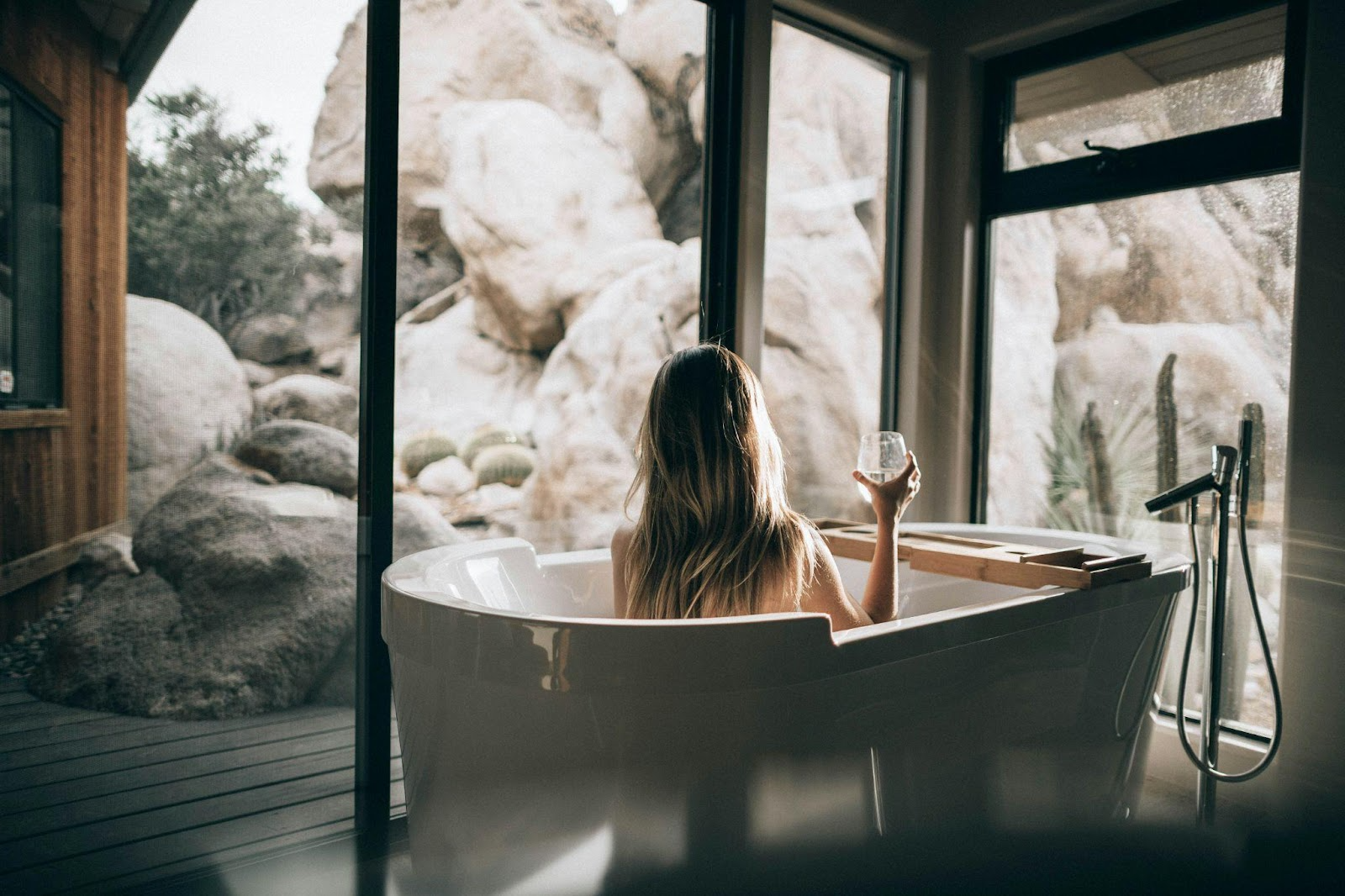
It wasn’t too long ago that showing off your lifestyle meant Instagramming your passport and tagging boutique hotels in Bali. Today, the flex is quieter, gentler, and more hydrated. You don’t need a plane ticket to make a statement, just a jade roller, a green smoothie, and maybe a post about how to use aloe vera in skin care routine. The shift from luxury to lifestyle has redefined what it means to invest in yourself, and self-care has become a currency of its own.
Welcome to the self-care economy, where routines aren't just about well-being, they're a social signal, a personal brand, and in many ways, the new status symbol.
The self-care economy is a loosely defined but rapidly growing sector of products, services, and content aimed at supporting individual wellness. It includes everything from at-home spa devices and mindfulness apps to boutique vitamins, online therapy subscriptions, and yes, artisanal candles. According to a report by McKinsey, the global wellness market is worth over $1.5 trillion and growing annually by 5–10%.
But it’s more than just dollars. Self-care has become aspirational. Your skin-care shelf says as much about you as your bookshelf or your Spotify Wrapped. It signals values: mindfulness, discipline, health-consciousness, and a dedication to bettering oneself.
In the past, wellness was reactive, you got a massage because your back hurt, or you meditated to stop yourself from losing it at your boss. Now, it’s preemptive and performative. People invest in wellness not because they’re unwell, but because it communicates something about them. It says, "I have the time, money, and clarity to take care of myself."
This shift is especially pronounced in younger generations. Millennials and Gen Z, more skeptical of traditional status markers like home ownership or high-end cars, are increasingly investing in themselves. The allure isn't in being seen at the club, but in being seen leaving your favorite cryotherapy session or talking about your personalized supplement plan.
Platforms like TikTok and Instagram have made self-care highly visible and, in many ways, competitive. Skincare "shelfies," guided meditation screenshots, and smoothie recipe reels all feed into the idea that taking care of yourself is not just a private habit but a public statement.
There’s even a term for it: "aspirational wellness." It’s when the way you care for yourself is curated, aestheticized, and shared, not just for validation, but as a way to project your identity. If your bathroom counter features eco-friendly packaging, your diet includes adaptogens, and you know the difference between gua sha and lymphatic drainage massage, you're part of the club.
In the past, status symbols were all about access and extravagance: designer bags, exclusive memberships, flashy cars. Today, those still exist, but they’ve been joined, and in some circles, replaced, by clean beauty products, therapy appointments, and 10-step skin-care routines.
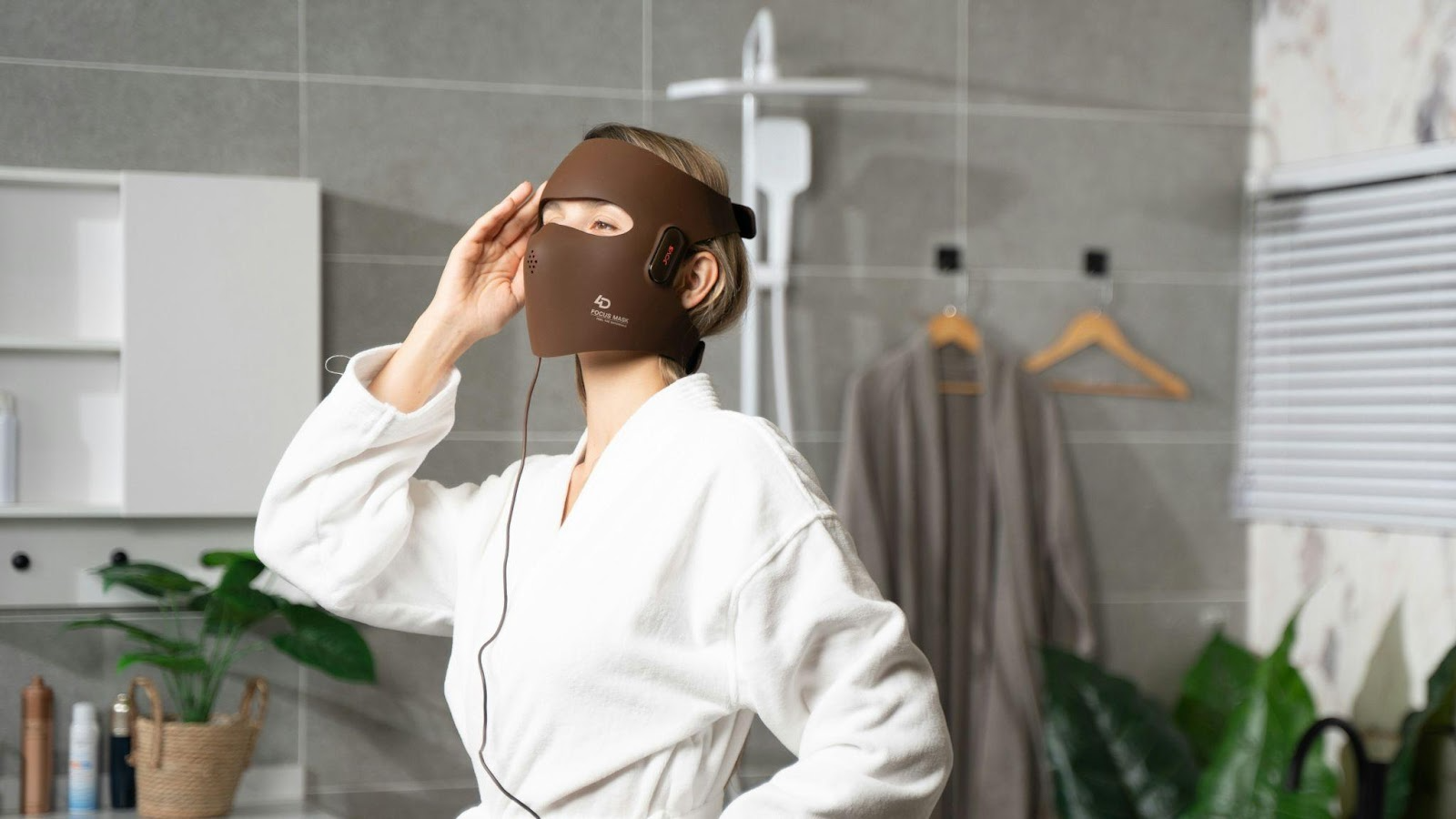
Time has become the ultimate luxury. The ability to dedicate 90 minutes to morning meditation, a green juice ritual, and LED light therapy is, in itself, a sign of privilege. In a world that's always on, being able to disconnect and "focus inward" is a modern-day flex.
Part of what powers the self-care economy is the blurry line between evidence-based wellness and...well, vibes. Some routines are grounded in dermatology and psychology, while others rely on testimonials and centuries-old traditions. Consumers toggle between clinical-grade serums and herbal teas without blinking.
This blend has opened doors for many to explore wellness in ways that are both deeply personal and broadly shareable. As long as it feels good and looks good, it belongs.
And it’s not just consumers who are buying in. Brands and marketers are aware that today’s shopper is informed, values-conscious, and more likely to invest in routines than random purchases. That’s why the self-care space often prioritizes storytelling over hard selling. Products come with rituals, lifestyle guides, and emotional resonance.
Beyond the vanity and vibes, there's a deeper shift happening: a reframing of wellness as proactive health. The rise of integrative medicine, functional nutrition, and stress management is evidence of a broader cultural movement.
According to the Centers for Disease Control and Prevention (CDC), chronic diseases are responsible for seven out of ten deaths in the U.S. and are often linked to preventable behaviors, such as poor nutrition and physical inactivity. Investing in wellness, in this light, becomes not just a luxury, but a form of self-preservation.
As wellness becomes more mainstream, it also raises questions about accessibility and equity. While the hashtag #selfcare may be trending, not everyone has the time or resources to participate fully.
The $200 face mask might be promoted alongside DIY breathwork tutorials, but only one is actually attainable for the majority. The self-care economy runs the risk of being exclusionary, further deepening the divide between those who can afford to invest in their well-being and those who can't.
At its best, self-care is empowering. At its worst, it becomes another arena for social comparison. The challenge is in making wellness both aspirational and accessible.
Traditionally seen as the domain of women, self-care is increasingly being embraced by men and non-binary individuals. Men's skincare, meditation apps for all genders, and unisex wellness communities are growing rapidly.
This shift reflects broader changes in how society defines strength, resilience, and productivity. Taking care of one’s mental and physical health is no longer seen as indulgent, but essential. Vulnerability, once stigmatized, is now part of the modern masculine ideal.
While much of the self-care economy is built on digital platforms, apps, social media, online coaching, there's a growing trend toward unplugging. Digital detox retreats, screen-free mornings, and meditation challenges speak to a new form of luxury: silence and solitude.
Paradoxically, these moments of disconnection are often shared online afterward, but the sentiment remains: in a world of constant noise, finding quiet has become elite.
Not quite. While the self-care boom does create a consumer playground, it also reflects real needs: to slow down, reconnect, and nurture one’s self. If anything, the prominence of wellness routines in daily life is a response to systems that don’t always support mental, physical, or emotional health.
Understanding how to use aloe vera in skin care routine might seem small, but it sits within a larger narrative. A narrative where individual acts of care become a protest against burnout culture, and where personal well-being is finally seen as worthy of time, effort, and even money.
As we move forward, the self-care economy is likely to become even more entwined with how we define success, wealth, and purpose. It will expand beyond bath bombs and meal plans into policy, urban planning, and education. Workplace wellness, public mental health funding, and affordable nutrition are likely to follow.
In a world where busyness was once the ultimate brag, being well-rested is the new badge of honor. The status symbol isn't what you own. It's how well you take care of yourself.