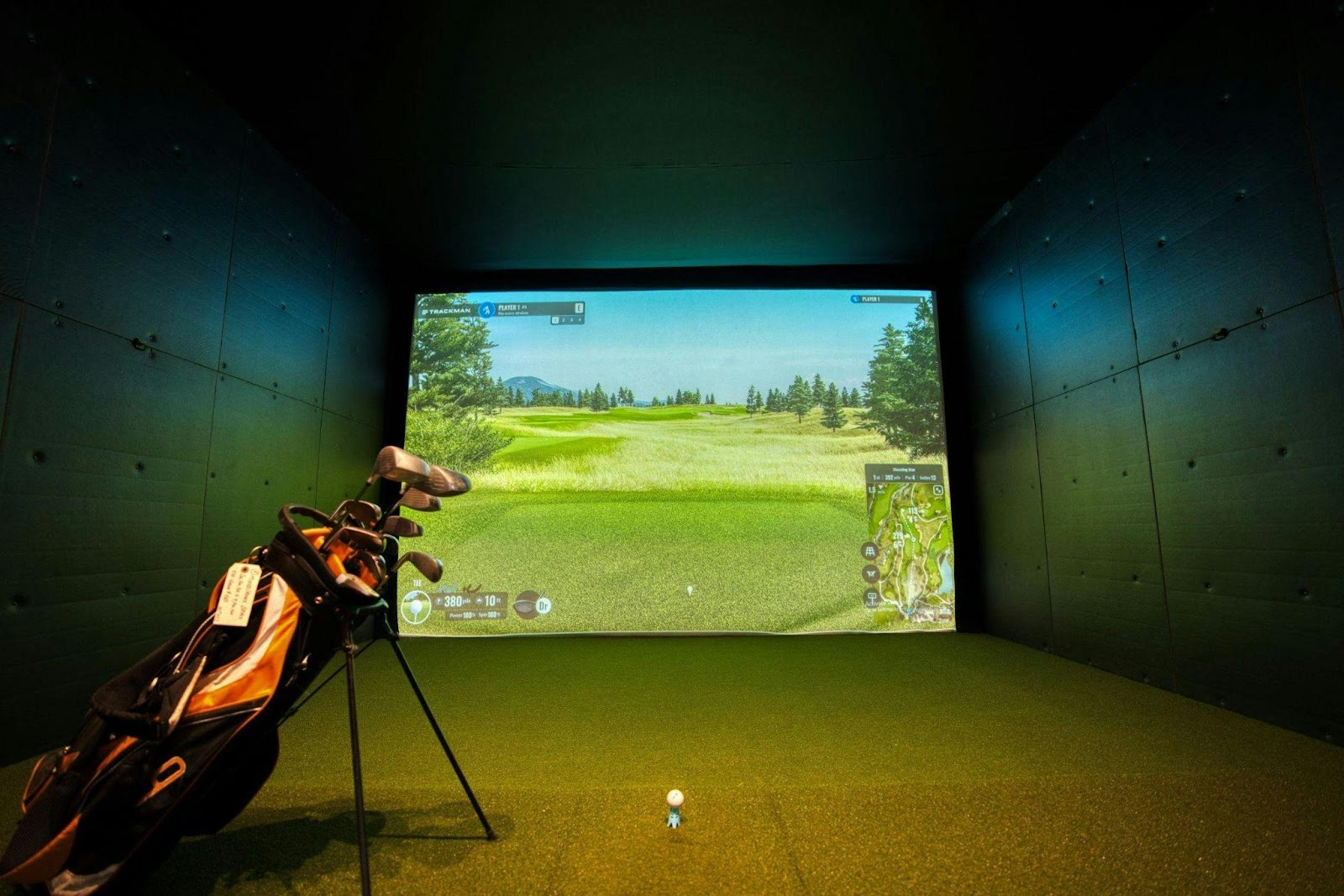
For anyone who's ever swung a golf club indoors and wondered whether their form looked more pro or pretzel, you're not alone. These days, a growing number of fitness-savvy homeowners are bringing pro-level feedback right into their living rooms. With high-precision systems from providers like Indoor Golf Outlet, tech is transforming the way we play, train, and improve, without ever leaving the house.
But how did we get here? And what does the rise of real-time sports feedback technology mean for everyday athletes?
Gone are the days when analyzing your tennis swing or jump shot meant pausing grainy home videos and squinting at blurry replays. Thanks to motion sensors, machine learning, and AI-driven software, sports tech has leaped forward. Feedback systems now deliver split-second metrics, like swing path, force distribution, and acceleration patterns, that once took expensive coaching sessions to uncover.
Whether you’re tracking your golf drive or your form on the treadmill, today's tools offer granular insights that once were exclusive to elite athletes. This trend, known as the "datafication of movement," is quickly reshaping how weekend warriors and suburban dads alike measure progress.
While pro athletes were the first to benefit from real-time feedback systems, the pandemic accelerated adoption among the general public. With gyms and training centers closed, fitness-minded folks began investing in smarter, more connected workout environments. And they didn't stop at just a yoga mat and a Zoom class.
Real-time feedback tech now includes:
And it isn’t just about fitness. It’s about performance. These tools allow users to correct micro-errors in their form, understand how they’re improving over time, and stay motivated.
While early fitness gadgets simply tracked steps or calories, today's systems offer guided coaching. A golf simulator, for instance, won't just record your swing speed. It will suggest tweaks based on biomechanics, angle, and grip, something a coach might charge hundreds per hour to assess.
Companies have begun integrating AI-based coaching into their platforms. Instead of just displaying data, the system explains it. It answers: "What does this number mean? What should I do next?" And for users who want to train like the pros, this is the kind of actionable information that creates breakthrough moments.
One unexpected benefit of these home-based feedback systems? They make working out fun. Features like leaderboards, virtual challenges, and performance streaks offer the same dopamine rush you'd get from a video game. It’s no coincidence that Peloton, Tonal, and similar systems all borrow cues from game design.
Golf simulators, too, have embraced gamification. Practicing on a driving range projected onto your garage wall might not sound like a party, until your buddy logs in from across town and challenges you to a long-drive showdown. With real-time scoring and performance feedback, it becomes more than training. It becomes a social, rewarding experience.
The best systems don't just live in your home, they connect you to the world. Users can join virtual tournaments, share progress with friends, and even get ranked globally. This has turned solitary workouts into community events, fueling both accountability and camaraderie.
It also democratizes access to coaching. Someone in rural Pennsylvania can now get the same feedback a semi-pro in Southern California might get from a live coach. All they need is the right tech.
When you think of advanced motion analysis or launch monitors, it’s easy to imagine hefty price tags. But much like flat-screen TVs or smartphones, the cost of this tech has dropped significantly. Systems that were once exclusive to elite clubs are now entering home gyms for a fraction of the cost.
Products like Trugolf launch monitors, available through specialty outlets, offer professional-grade precision with plug-and-play convenience. This shift has made real-time sports tech more inclusive, opening doors for casual athletes, rehab patients, and even seniors looking to stay active.
According to NIH research, engaging in sports-like activity at home contributes not just to physical health but also to cognitive function and emotional wellbeing. Real-time feedback enhances this by providing purpose and direction, essential ingredients for long-term commitment.
While sports tech naturally appeals to athletes, its applications stretch further. Physical therapists use motion capture to guide rehabilitation. Seniors use low-impact simulators to track balance and strength. Even kids benefit from interactive play that boosts coordination and focus.
As these systems evolve, they're moving from "nice-to-have gadgets" to must-have wellness tools. And in an age where health is increasingly holistic, this tech checks all the boxes: movement, motivation, measurement, and mental engagement.
Looking ahead, real-time sports feedback will only get smarter. We’ll see deeper integration with wearables, nutrition trackers, and health apps. Picture a launch monitor that adjusts its feedback based on your heart rate, hydration, or fatigue levels. Or a home treadmill that adapts your sprint intervals in real-time based on sleep data from your smartwatch.
This isn’t sci-fi. It’s next-gen fitness, and it's already starting to show up in high-end systems.
The marriage of sports tech and home convenience is more than a trend, it’s a lifestyle shift. By making high-quality performance feedback accessible, real-time systems empower users to train smarter, stay healthier, and even have more fun doing it. As these tools become more intuitive and affordable, they may just become as common as the treadmill once was.
Whether you're a seasoned golfer refining your swing or a beginner learning the basics, systems from trusted sources like Indoor Golf Outlet help bring precision training right to your doorstep, no tee time required.