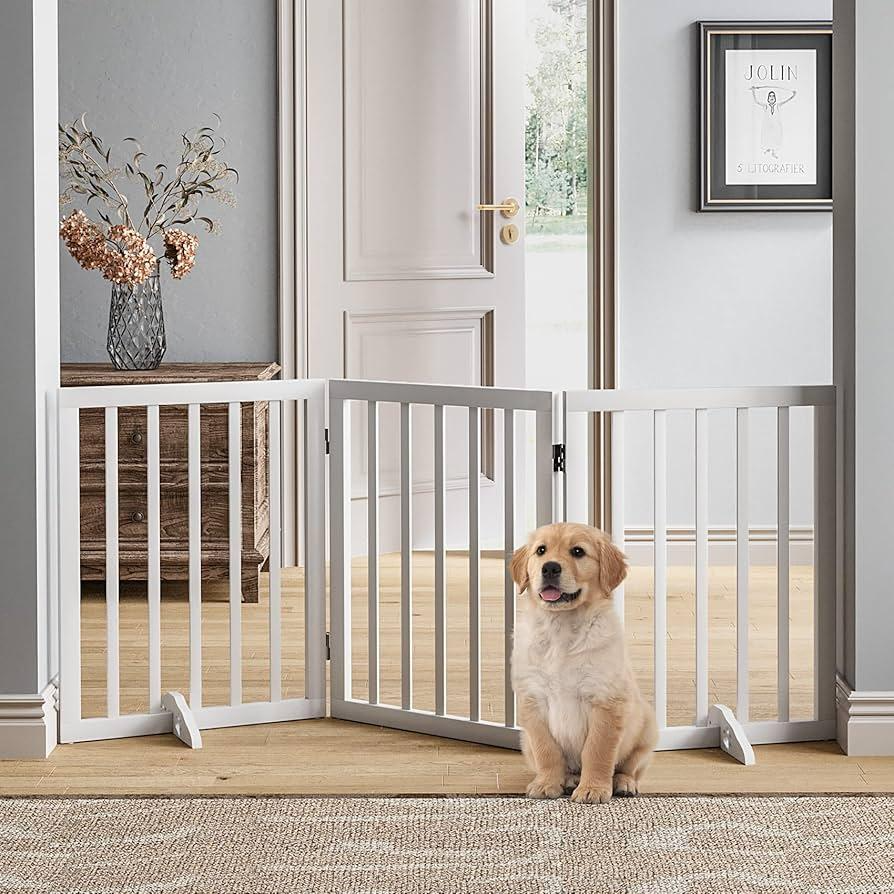
Bringing a pet into your home is a joyful experience, but it also comes with responsibilities to maintain balance between freedom and safety. Whether it’s a playful puppy, a curious cat, or a fully grown dog, pets often wander into areas of the home where they should not be, creating potential hazards and unnecessary stress for their owners. To create harmony and prevent mishaps, many households have turned to the interior pet fence as a practical and effective solution. Designed specifically for indoor use, these fences help pet owners establish boundaries, safeguard valuables, and ensure that animals stay safe without constant supervision. Unlike outdoor enclosures, an interior pet fence provides a versatile and stylish way to manage pets within the home, making it one of the most valuable tools for modern pet care.
One of the biggest challenges pet owners face is keeping their animals away from certain areas without restricting their overall comfort. Kitchens, staircases, and living rooms with delicate décor often pose risks, either to the pet or to household belongings. An interior pet fence provides a simple yet effective solution by creating controlled zones within the home. Rather than confining pets to crates or limiting them to small rooms, an interior fence offers freedom within safe boundaries. This approach not only keeps pets protected from harmful areas but also reduces the stress for owners who can rest assured that their furry companions are secure. By investing in an interior fence, families can strike the perfect balance between allowing exploration and ensuring safety.
Unlike temporary gates or makeshift barriers, an interior pet fence is built with both durability and convenience in mind. Available in a wide range of materials such as wood, metal, and reinforced plastic, these fences are strong enough to withstand active pets while also blending with interior design. Many models are adjustable and freestanding, making them easy to move from one room to another. Others are retractable or foldable, allowing owners to store them when not in use. The true beauty of an interior fence lies in its adaptability. Whether you live in a spacious home or a small apartment, it can be customized to fit hallways, doorways, or open floor plans, ensuring that pets remain safe without compromising the aesthetics of your home.
Beyond physical safety, the interior pet fence also plays a critical role in behavioral training. Establishing clear boundaries helps pets understand which areas are off-limits, reinforcing positive habits and discouraging destructive behaviors like chewing furniture or scratching walls. Puppies, in particular, benefit from early boundary training, and an interior fence offers the perfect structure to guide their learning process. Over time, dogs and other pets begin to recognize these restrictions even when the fence is not in place, making it a long-term training aid. Rather than viewing fences as a form of punishment, pets quickly adapt to the new structure, seeing it as part of their environment. This helps reduce anxiety and confusion, creating a calmer and more harmonious living space for both pets and their owners.
Modern life often requires pet owners to juggle work, family, and other responsibilities, making constant supervision nearly impossible. An interior pet fence provides peace of mind by allowing pets to roam freely within designated areas while ensuring their safety. Owners no longer need to worry about dogs running into kitchens while meals are being prepared or knocking over fragile items in the living room. For families with children, the fence also creates controlled spaces where pets and kids can interact safely, reducing the chances of accidental injuries. Because many fences are lightweight and easy to reposition, they adapt effortlessly to the household’s daily routine. Whether you need to keep pets out of certain rooms temporarily or want a long-term setup, the flexibility of an interior fence makes it a practical solution for busy households.
A major advantage of using an interior pet fence is the safety it brings to both pets and the home environment. Many areas of a house contain hidden dangers for curious animals, including electrical cords, cleaning supplies, or small items that could be swallowed. By blocking off these areas, an interior fence minimizes the risk of accidents and injuries. For dogs or cats that tend to dart toward staircases, barriers provide a layer of protection against falls. At the same time, fences help prevent damage to the home by keeping pets away from furniture, rugs, or other items they might chew, scratch, or soil. By combining protection for pets with preservation of the home, interior fences contribute to a safer and more organized living environment.
Every home is unique, which is why the interior pet fence comes in many different styles to fit varying needs. Families with large dogs may opt for taller, heavy-duty fences, while smaller pets may require only lightweight barriers that still serve the purpose. Retractable fences are ideal for those who want the option of opening up space when the barrier is not needed, while modular fences allow owners to create custom shapes and enclosures within larger rooms. This flexibility ensures that no matter the size of the home or the type of pet, there is an interior fence designed to match the situation. Choosing the right model depends on balancing durability, functionality, and appearance to ensure that both pets and owners benefit equally from the setup.
Households with more than one pet often face unique challenges when it comes to managing interactions. An interior pet fence offers a convenient way to separate animals when necessary, ensuring that they each have their own safe space. For example, during feeding times, barriers can keep dogs from interfering with each other’s meals. In homes with cats and dogs, fences provide a way to establish separate territories, reducing stress and preventing conflicts. They can also be used to slowly introduce new pets into the household, creating a controlled environment where interactions happen gradually and safely. By reducing tensions and providing structure, interior fences help maintain harmony in multi-pet families.
While some may view the interior pet fence as a temporary necessity, its benefits extend far beyond the early stages of pet ownership. Even after pets are trained, barriers remain useful for managing special situations such as hosting guests, doing household chores, or handling renovations. They provide an easy way to create quiet spaces for pets who may need rest or recovery after medical treatment. Because many fences are built with durable materials, they can last for years, adapting to changes in lifestyle, new pets, or different living spaces. This makes them a long-term investment in creating a safe, secure, and stress-free home for pets and their families.
In today’s world, where pets are deeply integrated into family life, finding solutions that balance safety, freedom, and convenience is more important than ever. An interior pet fence provides exactly that, offering a reliable way to establish boundaries while keeping pets comfortable and secure. From behavioral training to protecting valuable areas of the home, from creating harmony in multi-pet households to offering peace of mind for busy owners, interior fences prove their worth time and again. They are not just barriers; they are tools that promote healthier relationships between pets and their environments. By choosing the right interior pet fence, families invest in long-term safety, convenience, and harmony, ensuring that both pets and humans can thrive together in the same space.