
In recent years, the demand for high-quality Jewish wigs has surged for various reasons. Many women wear wigs to cover hair loss, while others choose them to change their hair color and style. Regardless of the reason, understanding the intricate process behind wig production can greatly enhance the appreciation for these beautiful pieces. If you are in the luxury wig business or purchasing one for yourself, knowing how wigs are processed in a factory like FD Jewish Wigs is beneficial. Here’s a detailed look at the step-by-step production of these exquisite wigs.
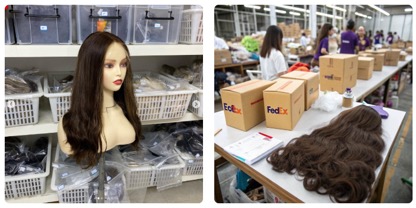
1. Choose the Best Virgin Hair
The journey of a Jewish wig begins with the selection of high-quality virgin hair. Virgin hair is defined as hair that has never been chemically treated, dyed, or altered in any way. This hair is typically sourced ethically from donors, predominantly in countries known for their long, luxurious hair, such as India or Brazil. Manufacturers look for strong, healthy strands to ensure longevity and a natural look. Attention is paid to the thickness, texture, and color of the hair to ensure it meets standards for the specific styles and types of wigs being produced.
2. Wash
Once the virgin hair is collected, the next step involves washing it meticulously. This process is crucial for removing any impurities, dirt, or residues that may have accumulated during the collection and shipping processes. The hair is washed using a mild, sulfate-free shampoo and treated with a nourishing conditioner to maintain its luster and softness. This preparation also ensures that the hair is ready for any coloring or processing that follows. Proper washing is essential, as it sets the foundation for the wig’s overall quality and durability.
3. Dye Hair Color as Requested
After washing, the hair is prepped for dyeing based on customers’ requests or the anticipated styles. Using high-quality, professional-grade dyes ensures that the color adheres well to the hair and lasts through multiple washes. Color specialists carefully mix dyes to achieve shades that complement various skin tones and personal preferences. The dyeing process is carefully controlled to prevent damage to the hair. Additionally, many factories offer a variety of colors, from natural shades to vibrant hues, ensuring that there is something for everyone.
4. Cap Construction Design
While the hair is being processed, attention turns to the cap construction of the wig. The cap is the foundation upon which the hair is attached and is crucial for comfort and fit. Different types of caps are designed to meet varying needs, such as lace caps for a more natural look or basic caps for budget-friendly options. The cap design also considers factors such as ventilation, stretch, and thickness to ensure that it conforms well to a range of head shapes and sizes. The construction is meticulously executed to ensure durability and comfort for the wearer.
5. Tie Hair to Lace Part
Once the hair is dyed and the cap is ready, it’s time to tie the hair to the lace part. This is where the artistry of wig-making comes into play. Skilled artisans meticulously hand-tie individual hair strands to the lace base, creating a realistic appearance that mimics natural hair growth. This process is not only time-consuming but also requires a high degree of skill to ensure that the hair falls in a natural direction and maintains an appealing density. The attention to detail during this stage significantly contributes to the wig's overall authenticity.
6. Sew Hair Weft on Wig
With the lace part secured, the next step is to sew genius hair wefts onto the wig cap. Wefts are sections of hair that are sewn together in a row. This technique provides additional volume and structure to the wig. Depending on the style and thickness desired, different numbers of wefts may be used. The sewing is performed by experienced workers who ensure that the hair is securely attached and will withstand the demands of daily wear. Each stitch is carefully placed to maintain the integrity and aesthetic of the wig.
7. Styles
The final step involves styling the wig according to the desired look. This is where the wig truly comes to life. Stylists use cutting, curling, and straightening techniques to shape the wig into various styles, from elegant updos to flowing waves. Many factories also allow customers to customize their wigs by choosing specific styles or requesting additional features such as bangs or layers. The aim is to create a final product that is not only beautiful but also represents the individual style of the wearer.
Conclusion
The meticulous process involved in making Jewish wigs reveals the artistry and dedication behind each piece. From selecting the finest virgin hair to the final styling touches, every step is crucial in crafting a wig that is not only aesthetically pleasing but also comfortable and durable. Understanding this production process enhances the appreciation for these beautiful pieces, whether you are purchasing for personal use or running a luxury wig business. Quality, craftsmanship, and attention to detail are paramount in the world of Jewish wigs, making them truly special.











