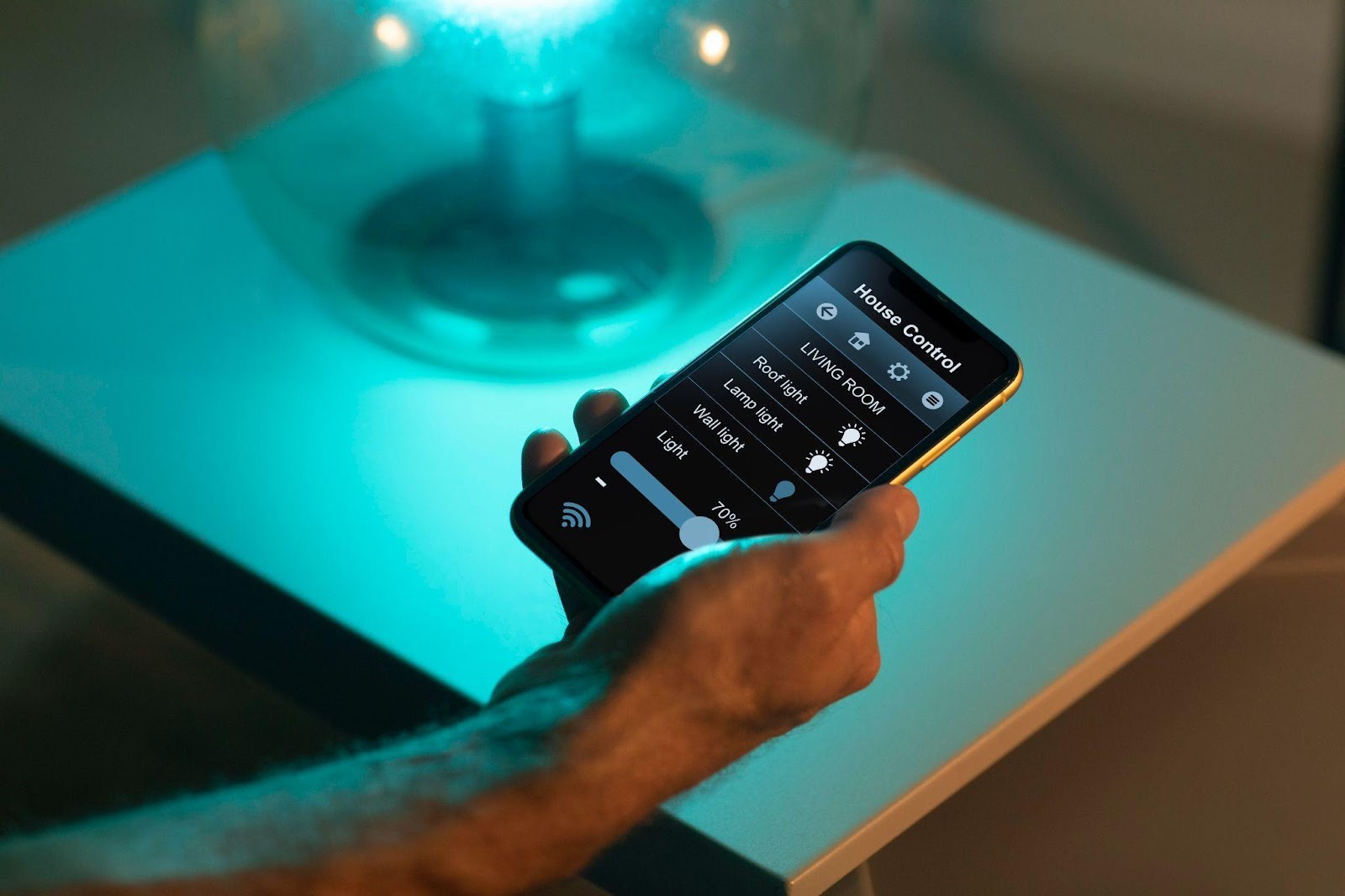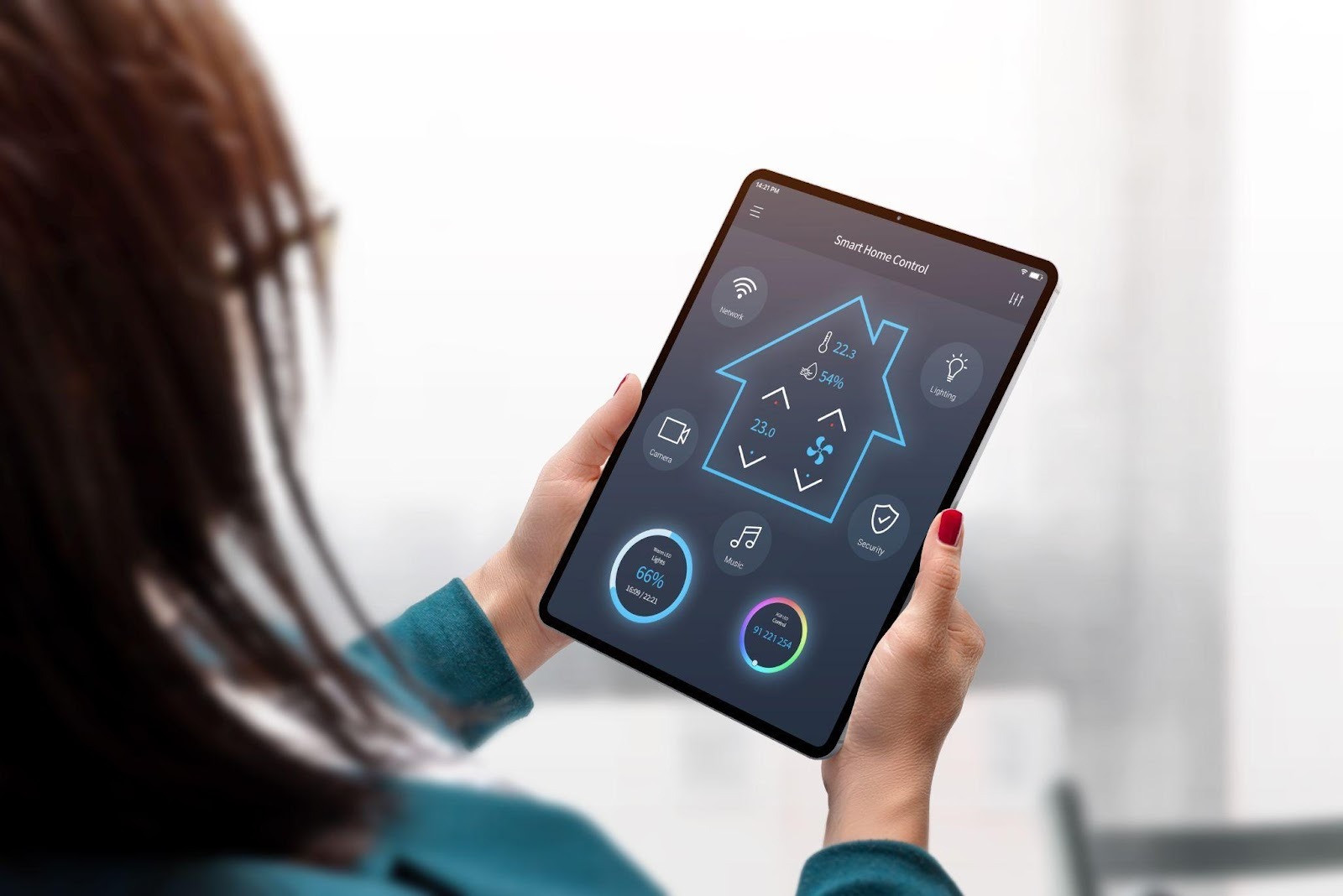
Suburban living has entered a new era, one where convenience, efficiency, and sustainability converge through technology. Across America, homeowners are embracing smart home upgrades not just for comfort, but also for the boost they bring to property value.
Whether you’re browsing listings like Poway homes for sale to see how innovation is shaping modern neighborhoods, or simply looking to improve your own home, one thing is clear: smart technology is now a leading factor in what makes a property stand out.
Once considered a luxury, smart home features have rapidly become a standard expectation for today’s buyers. From automated thermostats to voice-activated lighting, technology has changed how people interact with their homes.
According to a recent report by the National Association of Realtors (NAR), over 60% of prospective homebuyers in 2025 say they are willing to pay more for properties equipped with integrated smart systems. Features that enhance energy efficiency, security, and convenience are now as important as square footage or location.
For suburban homeowners, this marks a major opportunity, one that merges lifestyle improvement with investment potential.
Energy-efficient technology sits at the heart of modern home upgrades. Smart thermostats, LED lighting, and automated window treatments help reduce monthly bills while adding measurable value at resale.
A study from the U.S. Department of Energy found that homes with smart energy features sell faster and for an average of 3% higher than comparable properties without them. For the growing number of suburban families focused on both comfort and conservation, sustainability is the new status symbol.
Safety remains a top priority for families in suburban areas. The rise of affordable smart security systems has made it easier than ever to protect one’s home, and to add a marketable feature to any listing.
Today’s buyers expect smart doorbells, motion sensors, and connected camera systems as part of the baseline. These devices provide real-time monitoring and mobile alerts, offering peace of mind even when homeowners are away.
Security has evolved from being a silent feature to a visible advantage. A home equipped with these technologies signals to potential buyers that the property is not only modern but proactive, ready to handle 2025’s expectations for convenience and protection.
Beyond safety and efficiency, comfort plays a significant role in increasing property desirability. Smart lighting systems, voice-controlled entertainment setups, and connected appliances all contribute to a home’s “wow factor.”
Buyers aren’t just purchasing square footage anymore; they’re buying an experience. A home that adapts to its residents’ routines feels futuristic and functional, a combination that resonates deeply with millennial and Gen Z buyers entering the housing market.
In regions like Montgomery and Bucks Counties, and suburbs across the U.S., hybrid work culture continues to influence housing preferences. Buyers seek larger homes that support both productivity and relaxation. Smart upgrades enhance both sides of that equation.
A suburban home equipped with smart lighting for workspaces, automated blinds to reduce glare, and voice-controlled climate zones offers something traditional listings can’t: effortless adaptability. These features cater to professionals who value both sustainability and comfort while working remotely.
Even older properties are seeing rejuvenation as owners retrofit them with modern technologies. A small investment in connectivity can yield substantial gains during resale, particularly in markets where younger buyers dominate.
While the list of smart devices seems endless, homeowners don’t need a full overhaul to benefit. Prioritize systems that bring practical and measurable returns:
Real-estate agents across suburban markets report that properties with even two or three integrated smart features consistently attract stronger offers. Incremental upgrades add up, both for livability and market appeal.
The next wave of homeowners expects integration, not instruction manuals. As artificial intelligence becomes part of everyday living, smart homes will soon communicate seamlessly with their occupants, adjusting lighting, predicting energy needs, even personalizing environments to each family member.
For sellers and homeowners alike, staying current with technology isn’t about chasing trends, it’s about maintaining relevance. Just as stainless-steel appliances once defined “modern,” connected homes will define the next decade of suburban living.
Smart home upgrades are more than tech novelties; they’re essential tools shaping how families live, work, and invest. In 2025, property value isn’t measured solely in square footage but in intelligence per square foot.
Whether you’re updating your current home or exploring emerging markets like poway homes for sale, the message is universal: innovation pays off. Homes that anticipate needs, conserve resources, and enhance safety are no longer the future, they’re today’s standard of suburban excellence.