
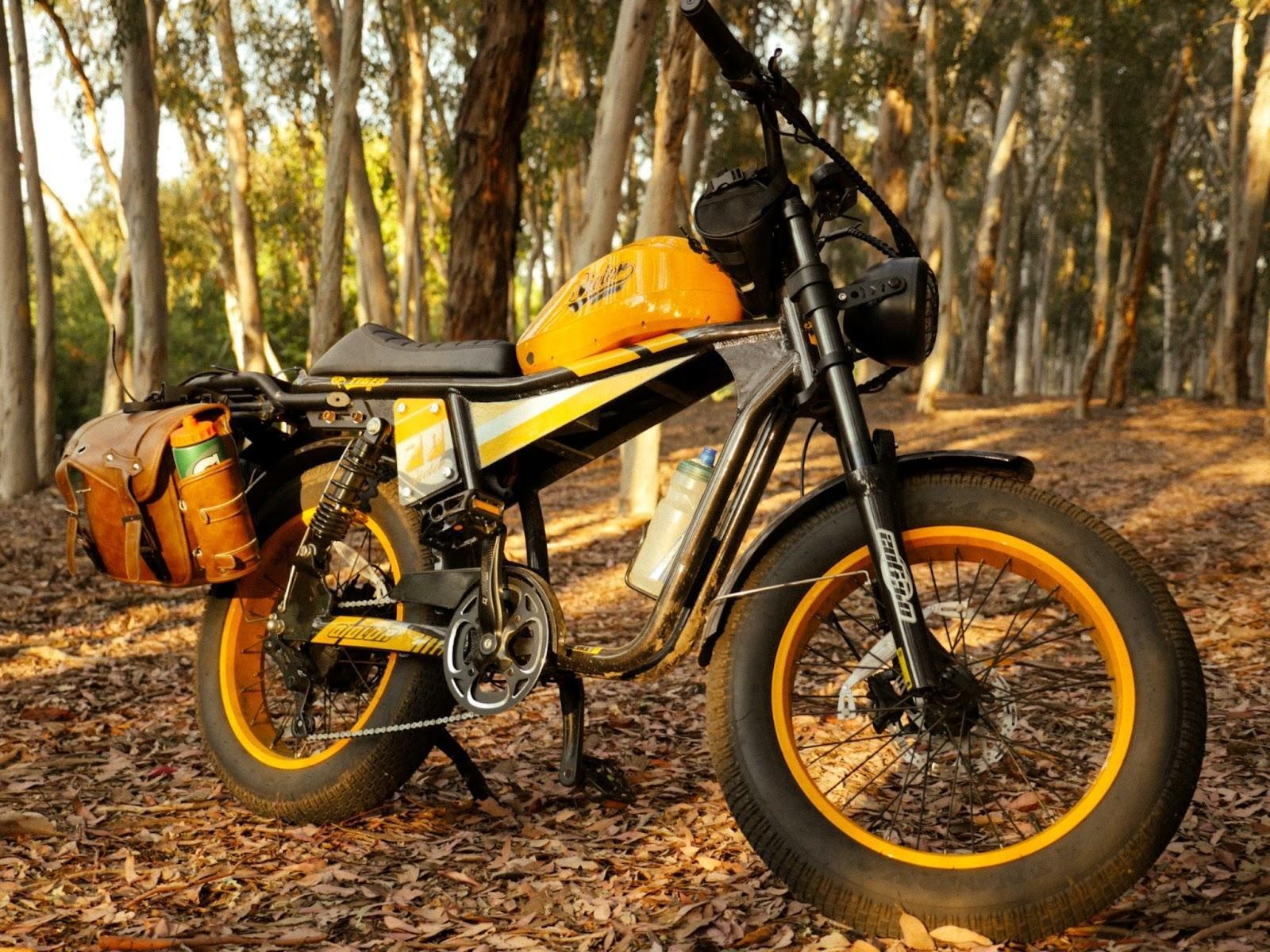
If you’re eyeing a Fat tire E-bike, the battery is the first thing to check before you hit “add to cart.” A strong, dependable battery decides how far you can ride and how smooth and stress-free that ride feels. On average, most fat tire electric bike batteries take about 4–6 hours to fully charge, but charge time is only part of the picture. Here’s what really matters before you buy.
Battery capacity, measured in watt-hours (Wh), tells you how much energy the pack holds, and that’s what sets your real range per charge. For example, a 750W motor with a 720Wh battery can give you roughly 25–45 miles in the real world, depending on terrain and rider weight.
When you compare fat tire electric bikes, don’t judge them by motor power alone. A bigger battery (like 960Wh or more) isn’t automatically better. It needs to match how you ride.
Most Fat tire E-bikes run 48V batteries, while high-performance setups may go 52V or even 60V. Higher voltage delivers more punch, quicker torque and stronger acceleration, great for sand, snow, or steep hills.
Amperage (Ah) is about how long that power lasts. A 48V 15Ah pack equals 720Wh, while a 48V 20Ah pack is 960Wh. Together, voltage and amperage shape how the bike feels, smooth and steady for commuting or quick and punchy for fun rides.
Pro tip: Balance is everything. A 52V 20Ah system sounds awesome, but it adds weight, which can make city riding feel a bit less nimble.
Almost all Fat tire E-bikes use lithium-ion batteries for a reason. They’re light, pack lots of energy, and handle hundreds of charge cycles without losing much capacity.
Still, not all lithium packs are equal. Look for trusted cell brands like Samsung, LG, or Panasonic for better consistency and safety. Cheaper, no-name cells can fade fast and cut your range after only a few months.
If your bike offers it, a removable battery is super handy. You can charge it indoors and protect it from hot or freezing temps that shorten battery life.
A slow-charging pack can wreck your riding flow. As a baseline, a 2A charger needs about 5–7 hours to refill a 48V 15Ah battery, while a 4A fast charger can bring that down to around 3–4 hours.
Some moped-style electric bikes include dual-battery setups, doubling your range or letting you swap packs on the go. That’s clutch for delivery work or long commutes where you can’t sit around waiting.
Always stick to the charger your brand recommends, using the wrong one can damage cells and void your warranty.
The BMS watches charging, discharging, temperature, and balances the cells. A solid BMS keeps your Fat tire E-bike battery from overheating, overcharging, or draining too low, things that can ruin a pack for good.
When you read the specs, see if the maker calls out an advanced BMS or smart features. Some bikes show live voltage or connect to an app for health and performance data. That extra info gives peace of mind and helps you avoid random shutoffs.
Where the battery sits changes how the bike rides. A frame-integrated pack looks clean and balances weight nicely, great if you care about a sleek look and stable off-road handling. External packs are easier to remove for charging or replacement.
Heavier batteries can affect handling in corners or tight turns. The best setups balance power and weight so the bike feels planted on any surface.
Travel a lot? Check if the battery pops out easily for flights or road trips. Airlines have strict lithium limits, usually under 300Wh.
Even the best batteries age, but a solid warranty says the brand stands behind its gear. Most good makers give 1–2 years of battery coverage, and some go up to three.
To make yours last:
With basic care, you can get 800–1,000 full charge cycles, which is about 3–5 years of reliable riding.
A quality Fat tire E-bike battery usually runs $400 to $900, depending on brand and size. It’s tempting to save money, but the battery is the one part where quality truly matters.
Cheaper packs can have shaky voltage and lower-grade cells that die early. Paying more for a name-brand pack boosts range, performance, and safety, which is huge with high-capacity lithium.
If budget allows, consider bikes that can run dual batteries. They cost more up front but give you extra range now and upgrade options down the road.
Picking the right battery for your Fat tire E-bike or moped-style electric bike isn’t just about big numbers, it’s about matching your rides with smart tech and long-term reliability. Choose a quality lithium-ion pack from a trusted brand, make sure the BMS is up to the job, and balance voltage with the range you actually need.
Bottom line: the battery is the heart of your e-bike. Choose well, and you’re getting more than range, you’re getting freedom, consistent power, and peace of mind every time you roll out.











