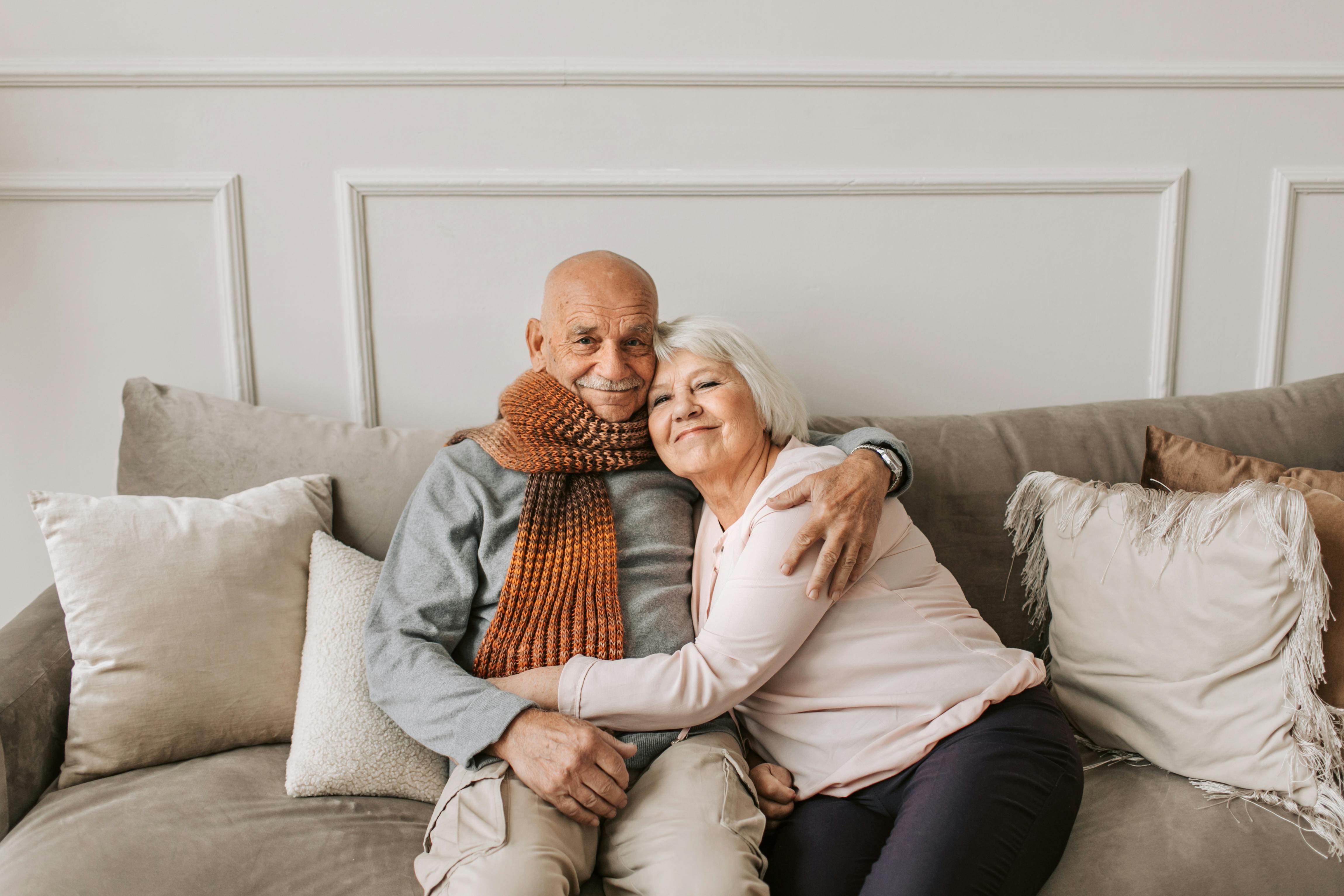
The winter season often brings added challenges for seniors. Cold weather can raise the chances of getting sick, slipping or falling, and experiencing isolation or sadness.
According to the National Institutes of Health, cold-related deaths were highest among adults aged 75 and older in 2022, with 4.23 per 100,000 individuals affected. Adults aged 45 to 74, however, experienced the fastest rise in mortality rates during the same period.
Seniors, in particular, need thoughtful preparation and support to stay safe, warm, and comfortable through the season. In this article, we’ll share essential home care tips to help seniors prepare effectively for winter and maintain their well-being throughout the colder months.
As temperatures drop, seniors can benefit greatly from the support of a personal care assistant who helps them stay safe and comfortable.
AmeriBest Home Care states that a personal care assistant can assist with home safety checks and organize warm clothing. They can also help manage daily routines and ensure timely medication and meal preparation. Their presence also provides valuable companionship during the colder, more isolating months.
In cities like Philadelphia, where the senior population continues to grow, the need for dependable home care support is increasing. According to USAFacts, the 65+ group in Philadelphia grew by 24.4% between 2010 and 2022. Having a personal care assistant in Philadelphia ensures older adults receive the personalized attention and safety oversight they need throughout the winter season.
By partnering with a trusted personal care assistant, seniors can enjoy greater safety and comfort. This support also brings peace of mind throughout the challenging winter months.
Keeping the home warm and safe during winter begins with well-maintained heating systems and proper insulation. Seniors should have furnaces, space heaters, and chimneys inspected before the cold season sets in to prevent malfunctions or fire risks.
The National Fire Protection Association reports that almost half of U.S. heating equipment fires occur from December to February. This accounts for about 46 percent of total home heating-related incidents each year. An annual average of 38,881 such incidents was reported from 2019 to 2023.
Properly insulating walls, windows, and doors helps retain warmth while lowering heating expenses. Regular maintenance and safety checks can make a significant difference in keeping older adults comfortable and protected throughout the winter months.
Cold weather raises the likelihood of slips and falls, particularly among older adults who may have limited balance or mobility. Keeping floors dry, clearing walkways of snow and ice, and using non-slip mats can help create a safer environment. Installing handrails near stairs and in bathrooms adds extra stability.
The CDC reports that over 25 percent of seniors experience at least one fall every year. However, fewer than half of them report the incident to their doctor. Falling once also doubles the likelihood of another fall, and nearly 319,000 seniors are hospitalized annually for hip fractures.
Taking preventive steps now can significantly reduce these risks and help older adults remain safe and independent during the colder months.
Eating well and staying hydrated are essential for older adults to maintain strength and immunity in winter. Many seniors may not feel as thirsty in colder weather, which can lead to dehydration.
The National Council on Aging recommends drinking enough fluids based on body weight to stay properly hydrated. For instance, someone weighing 150 pounds should aim for at least 50 ounces, or around six cups, of water daily.
Alongside staying hydrated, a balanced diet with soups, whole grains, fruits, and vegetables helps strengthen immunity and maintain body warmth. Encouraging regular meals and warm beverages can go a long way in supporting overall well-being throughout winter.
Cold temperatures and limited daylight often cause seniors to feel lonely and less encouraged to keep up with regular activities. Engaging in light physical activities such as stretching, yoga, or indoor walking helps maintain mobility, boost energy, and improve mood.
Maintaining regular social interactions is also vital for supporting mental and emotional health. Staying connected through frequent conversations, online chats, or intimate get-togethers with loved ones helps ease loneliness and improve mood. Participating in local senior programs, hobby clubs, or virtual community groups also keeps the mind engaged.
Combining physical activity with social interaction helps combat the winter blues. It also supports better overall health and happiness throughout the season.
Cold-season conditions can create unforeseen difficulties, including loss of power, slippery roads, and unexpected health issues. Seniors should keep an emergency kit ready with essentials like blankets, first-aid supplies, non-perishable food, flashlights, and extra batteries.
It’s also important to have a sufficient supply of medications and to store them in an easily accessible place. Keeping a list of emergency contacts, including family members, doctors, and caregivers, ensures quick communication during urgent situations. Seniors can also benefit from using medical alert devices or phones with emergency call features.
Signs a senior may need extra help include difficulty keeping the home warm, skipping meals, or forgetting medications. Poor hygiene, frequent falls, and signs of loneliness or confusion can also indicate the need for additional support.
The safest and warmest clothing materials for seniors include wool, fleece, and thermal cotton blends. These fabrics trap heat effectively while allowing breathability. Layering lightweight, moisture-wicking materials also helps maintain warmth and comfort without restricting movement during cold winter days.
Great indoor hobbies for seniors in winter include reading, puzzles, painting, knitting, or playing board games. Gentle exercises like yoga or stretching help keep the body flexible and strong. Activities such as cooking or indoor gardening also keep the mind active and engaged during the colder months.
Preparing for winter is about more than just staying warm; it is about ensuring safety, comfort, and peace of mind for seniors. With proper care, older adults can face the colder season with confidence.
Support from personal care assistants, regular home maintenance, healthy routines, and social engagement all contribute to their safety and well-being. By taking simple preventive steps, families and caregivers can help seniors stay independent, protected, and comfortable throughout the winter months.