For a long time, the creative process was something we tried to keep untouched — sticky notes, hand-drawn sketches, rough drafts on coffee-stained notebooks. It was messy and charming in its own way. Then came the digital era, which made everything cleaner but also, oddly enough, a bit colder. Somewhere between moodboards and spreadsheets, we lost a bit of that spark.
Now, two names are starting to change that: Mixboard and Nano Banana. They’re not flashy in the “look what I can do” kind of way. They just quietly make the process of thinking, designing, and visualizing feel natural again — like the digital version of brainstorming with a whiteboard and a good cup of coffee.
Mixboard didn’t just appear out of nowhere. It came from the same spirit that drives Google Labs — that corner of Google where experiments sometimes end up changing how people work. The idea was simple: what if you could build a playground for ideas? Something visual, flexible, and powered by AI smart enough to actually understand what you mean when you say, “I’m going for something autumnal but modern”?
That’s Mixboard.
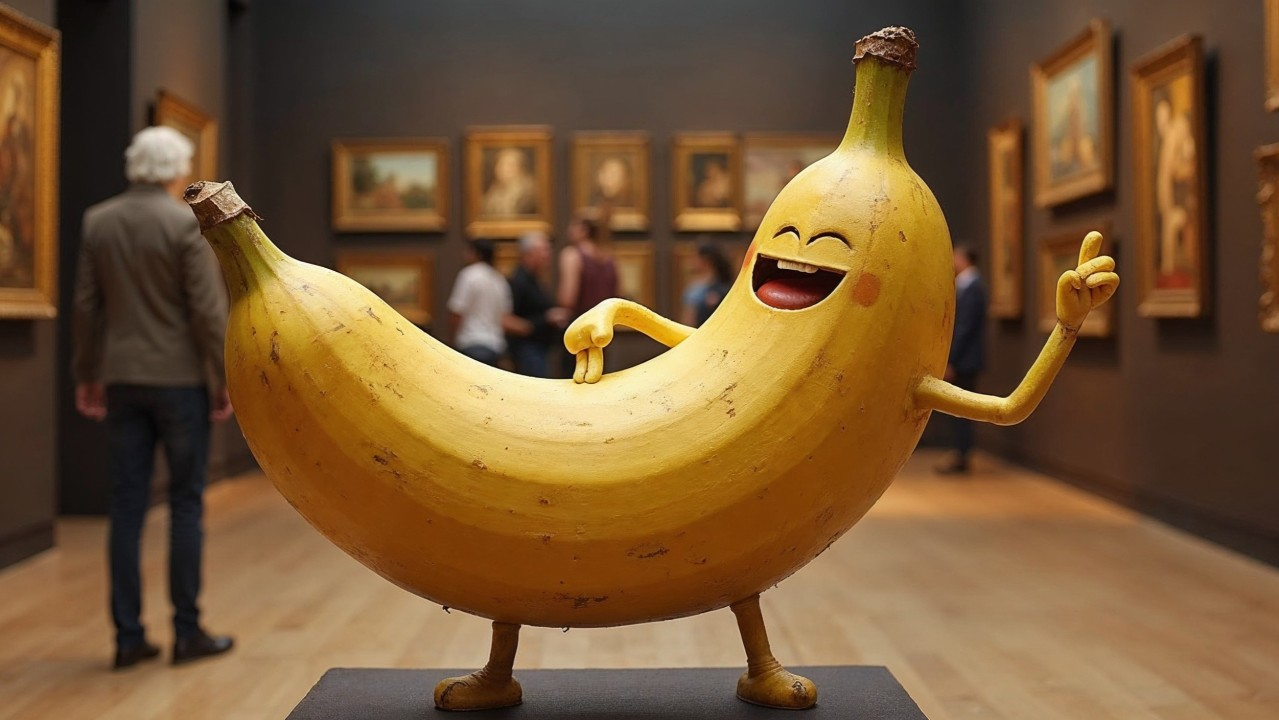
Now, enter Nano Banana AI, the not-so-secret engine that helps make those visuals possible. Think of Nano Banana as the creative brain behind the curtain — the model that can take a sketchy thought and turn it into an image, a color palette, or a layout suggestion. While Mixboard is the space where people collaborate and organize their thoughts, Nano Banana is the quiet artist inside the tool, filling in the details, smoothing the rough edges, and making ideas look tangible.
In short: Mixboard is the hands; Nano Banana is the intuition. Together, they make digital creativity feel a little more human again.
The truth is, most AI tools feel clever — but not many feel personal. You ask them to do something, they do it, but there’s no sense of flow. What makes Mixboard and Nano Banana different is how naturally they fit into the rhythm of actual creative work.
When you open Mixboard, you’re not staring at an empty interface. You’re looking at a blank wall that’s inviting you to pin your thoughts, images, snippets, and sketches. You can drag things around, connect them, play with layout ideas — it feels more like building something than coding it.
Then, when you need visuals to match your idea, Nano Banana steps in. You can type a prompt or adjust existing visuals, and the AI quietly figures out what fits best. There’s no robotic stiffness. It feels more like you’re working with a smart assistant who “gets” your vibe.
It’s not about replacing your creativity; it’s about speeding up that “thinking out loud” part of the process. The messy part that used to take hours now takes minutes — but without losing the fun.
One of the reasons Mixboard AI is catching attention is because it understands how people actually think. Not in straight lines. Not in bullet points. But in clusters — half-formed thoughts connected by visuals, notes, and little sparks of inspiration.
You can start by dropping in words, sketches, or even random references. From there, Mixboard helps you link them together, while Nano Banana fills the gaps visually. It’s like building a story where text and images are equal partners.
It reminds me of those creative meetings where someone says, “Wait, what if we combine this with that?” and suddenly the room lights up. That’s the energy Mixboard tries to recreate, even if your team is scattered across different time zones.
A lot of tools promise collaboration. Google Mixboard actually delivers it.
Instead of juggling screenshots and sending “final_v4_revised_final” files (we’ve all done it), teams can work together live — moving pieces around, leaving comments, even sketching out new directions. It doesn’t matter where you are; everyone’s literally on the same board.
Add Nano Banana to the mix, and you can create or modify visuals instantly. Need to test a different style for your campaign? Want to tweak the lighting or the composition of an image? You don’t have to start over — the AI adjusts, you approve, and the idea keeps evolving.
For designers, it’s a relief. For marketers, it’s a dream. For educators and students, it’s a new way to explain things that are usually too abstract for words.
Here’s where this duo really earns its place in a modern workflow:
The barrier to entry is low. You don’t have to be a designer or an AI expert. You just have to be curious enough to try.
Here’s the interesting thing — the real value of tools like Mixboard and Nano Banana AI isn’t just speed or polish. It’s perspective.
We’re entering a moment where creativity is no longer about sitting alone and crafting something from scratch. It’s about conversation — between humans, between ideas, and now, between people and their tools.
AI doesn’t have to mean “automatic.” It can mean “assistive.” A kind of quiet background presence that helps you see patterns or possibilities you might’ve missed on your own.
In that sense, Mixboard and Nano Banana aren’t just new software; they’re new collaborators.
There’s no shortage of “AI for creativity” tools out there. But many of them either feel too technical or too automated — you give a prompt, it spits something back, and that’s that.
Mixboard, especially with Nano Banana under the hood, doesn’t try to take over. It gives you a structure to build on. You still have to guide it, edit it, and make the final call. That’s what keeps it human.
In a weird way, the imperfections — the times when it doesn’t get something quite right — are part of the charm. It’s that moment when you think, “Hmm, not what I expected, but maybe this sparks another idea.” That’s creativity in motion.
If you strip away the buzzwords, what Mixboard AI and Nano Banana are really doing is helping people rediscover the joy of making things.
You can walk in with a foggy thought — a campaign, a lesson plan, a story — and walk out with something visual, something you can touch and share. That used to take hours of coordination and software juggling. Now, it’s just a few clicks and a bit of curiosity.
And maybe that’s the most exciting part. Not that AI is replacing creativity, but that it’s reminding us what creativity actually feels like: fast, messy, collaborative, alive.
We talk a lot about how technology is changing creativity, but maybe it’s the other way around. Maybe creativity is changing how we use technology.
With tools like Mixboard and Nano Banana, that shift feels obvious. They don’t try to own the process; they join it. They let you think in color, share in real time, and see your ideas take shape in front of you.
So whether you’re a designer, a student, or someone just tired of describing ideas that never quite land — these two platforms offer a reminder: creativity doesn’t live in your tools; it lives in how you use them.
Mixboard gives you the wall to work on. Nano Banana gives you the brush.
And the rest? That’s still entirely yours.