Electric vehicles are evolving faster than anyone imagined, and Jeffrey Donald Lux believes their next great transformation will come from two converging innovations: solid state batteries and software defined vehicles. These technologies are reshaping the future of performance, safety, and sustainability, turning cars into intelligent companions that learn and adapt to their drivers.
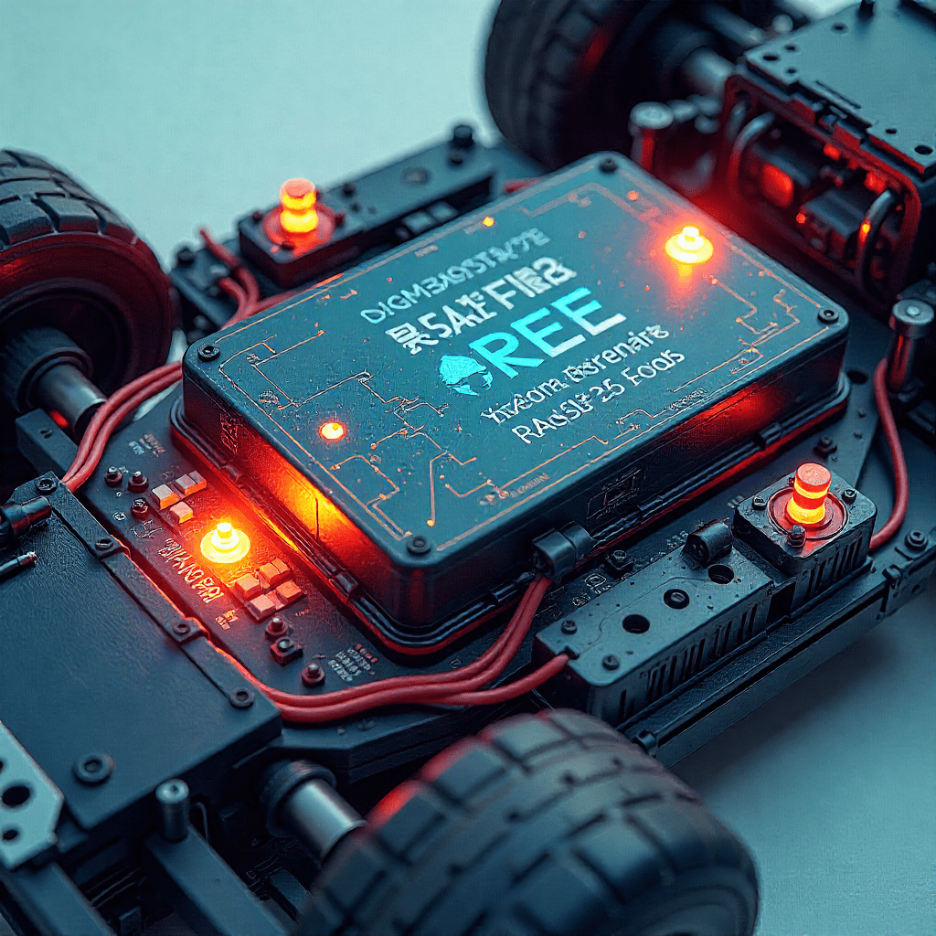
For decades, lithium-ion batteries have powered the electric revolution. But Jeffrey Lux NJ sees solid state batteries as the technology that will define the next chapter. By replacing the liquid electrolyte with a solid material, engineers can create batteries that are lighter, denser, and far safer.
This isn’t just an improvement in range or charging time. Jeffrey Donald Lux points out that the change allows automakers to rethink vehicle design altogether. With smaller, more stable energy packs, designers can optimize space, weight distribution, and crash protection. The result is an electric vehicle that performs better, lasts longer, and inspires greater driver confidence.
Solid state batteries are the key to unlocking the full potential of electric power, emphasizes Lux. They give us safety, speed, and strength in one solution, he adds.
As the battery becomes more capable, so must the brain behind it. The rise of software defined vehicles (SDVs) is, in Jeffrey Donald Lux’s view, one of the most profound shifts in automotive history.
Cars are no longer just mechanical, he believes. They are intelligent platforms that can think, learn, and evolve.
Unlike traditional cars that remain static after production, SDVs continuously improve through air updates. A single software enhancement can refine driving dynamics, extend battery life, or add entirely new features. For Jeffrey Lux Ramsey NJ, that means vehicles that get smarter, safer, and more personal with time.
It’s not about owning a car anymore, It’s about owning an experience that grows with you.
When solid state energy meets intelligent software, the result is more than efficiency; it’s synergy. Jeffrey Donald Lux emphasizes that combining these systems allows cars to manage power distribution, detect early signs of wear, and adapt to real-world conditions in real time.
With predictive maintenance powered by data, vehicles can alert drivers to potential issues long before they become problems. That means fewer breakdowns, lower costs, and longer life spans for every vehicle on the road.
The integration of power and software is where driving becomes dynamic, alive, responsive, and resilient.
For Jeffrey Lux Ramsey NJ, innovation is only meaningful when it enhances safety and comfort. Solid state batteries reduce fire risks by eliminating flammable liquid electrolytes, while intelligent software extends safety through constant environmental awareness.
Cars can now sense obstacles, monitor blind spots, and even intervene automatically to prevent collisions. Lux explains that this fusion of hardware and software represents a new standard of trust between drivers and machines.
Comfort follows naturally from safety. The same sensors and systems that protect drivers also fine tune ride quality, steering, and noise control. The quiet of an electric car isn’t just silence; it’s the sound of precision.
The technologies shaping the future will also redefine the people who build and maintain them. Jeffrey Donald Lux stresses that the automotive industry now needs professionals who understand both physical systems and digital intelligence.
The next generation of technicians will need to read code as comfortably as they read circuits; this industry’s progress depends on bridging that gap.
Training programs are already evolving to meet these needs. From data analysis and high voltage safety to software diagnostics, technicians are becoming technologists. Jeffrey Lux NJ believes this balance of skills will ensure vehicles remain both cutting-edge and dependable for years to come.
Looking ahead, Jeffrey Donald Lux envisions a transportation landscape defined by intelligence, sustainability, and adaptability. Solid state batteries will deliver longer range and faster charging, while software-defined systems will make cars safer, smarter, and more connected than ever before.
Together, these innovations promise vehicles that evolve continuously, machines that learn from experience and mirror the habits of their drivers. We’re entering an age where our cars are not just built for us- they’re built with us.
In the vision of Jeffrey Donald Lux, the future of mobility isn’t about noise or spectacle; it’s about refinement. It’s about technology that quietly redefines what driving means. Solid state batteries and software-defined systems form the foundation of this silent revolution, blending chemistry and code into a single, intelligent heartbeat.
For Jeffrey Lux Ramsey NJ, innovation means harmony. The future of driving, is about balance, between power and intelligence, progress and safety, performance and humanity.
And that future, he adds, has already begun.