
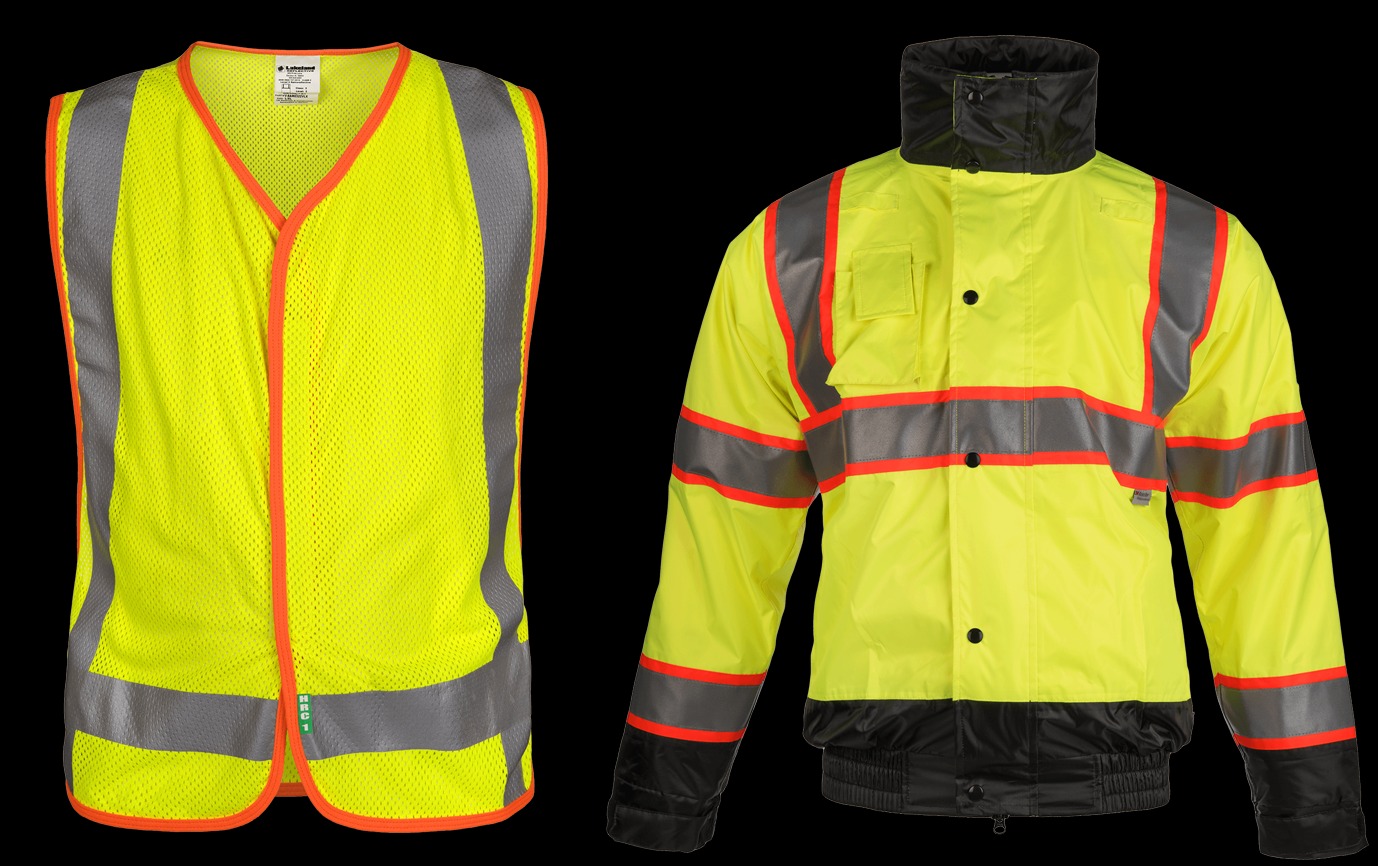
In workplaces where safety is a top priority, hi-vis vests play an essential role. These brightly colored vests, often combined with reflective strips, make workers visible in low-light and high-traffic areas. From construction sites to warehouses, hi-vis vests are used across various industries to prevent accidents and improve visibility. This article explores the practical uses of hi-vis vests in different industries, their benefits, and the importance of using reliable options like a Heavy Duty Vest or Safety Vest for maximum protection.
Hi-vis (high-visibility) vests are protective garments designed to make the wearer stand out in any environment. They are usually made from fluorescent materials in colors like yellow, orange, or green, with reflective tape that shines when light hits it. The goal is simple — to make workers easily noticeable from a distance, especially in dark or busy surroundings.
Hi-vis vests are lightweight, comfortable, and designed to be worn over regular clothing. Depending on the type of work and risk level, different classes of vests are used — from basic visibility vests to advanced Heavy Duty Vests with additional pockets and protection.
The construction industry is one of the main users of hi-vis vests. Workers operate heavy machinery, move materials, and often work in busy outdoor environments. Wearing a Safety Vest helps reduce the risk of accidents by ensuring everyone can be seen clearly, even from a distance.
Construction sites also have different lighting conditions — from bright sunlight to dimly lit areas during early mornings or late evenings. Hi-vis vests help maintain visibility under all these conditions, making them essential for site safety.
Supervisors and managers also wear color-coded vests to distinguish their roles easily, improving organization and communication on-site.
Road construction crews, traffic controllers, and emergency responders rely heavily on hi-vis clothing. When working near moving vehicles, being visible can mean the difference between safety and danger.
Hi-vis vests allow drivers to spot workers easily from afar, giving them enough time to slow down. A Heavy Duty Vest is especially useful in such environments because it is durable and often includes extra features like ID holders and tool pockets.
During nighttime or poor weather conditions, reflective strips on the vest shine brightly when hit by headlights, ensuring the worker’s presence is immediately noticed.
In warehouses and logistics centers, forklifts, trolleys, and trucks are constantly moving. Employees wearing hi-vis vests can be easily seen by machine operators, which helps prevent collisions.
Warehouse environments can have dim lighting or blind corners where workers might not be visible. Wearing a Safety Vest in bright fluorescent color helps identify workers quickly, improving coordination between teams.
In addition, many logistics companies use color-coded hi-vis vests to identify roles — for example, loaders, drivers, and supervisors may each have a different color vest to keep operations smooth and efficient.
Manufacturing plants often involve machines, vehicles, and assembly lines that can pose hazards. Hi-vis vests help workers remain visible to machine operators and supervisors, reducing the chances of accidents.
A Heavy Duty Vest is ideal in such environments because it is made with strong materials that resist wear and tear. It may include multiple pockets to hold tools, pens, or safety devices, making it both functional and durable.
Some factories also require flame-retardant or anti-static hi-vis vests for workers who deal with electricity, chemicals, or flammable materials.
Airports and transport hubs are busy places with constant movement — from airplanes and baggage vehicles to buses and service carts. Airport ground crews, luggage handlers, and maintenance staff wear hi-vis vests so pilots and drivers can easily spot them on the runway or tarmac.
The reflective material helps improve visibility during night shifts or in bad weather conditions like fog or rain. A Safety Vest with reflective stripes ensures these workers are always seen, even from long distances.
Similarly, railway and bus station staff use hi-vis vests to manage passengers and ensure safe boarding and unloading of vehicles.
Firefighters, police officers, and paramedics also use hi-vis vests, especially in outdoor or low-visibility situations. During accidents, fires, or natural disasters, wearing a hi-vis Safety Vest helps emergency workers stand out so they can be easily identified by victims, team members, or other responders.
In rescue operations at night or in poor visibility, reflective strips on the vest make sure emergency personnel remain visible, even from far away. This helps improve coordination and safety during high-stress situations.
People who work outdoors, such as electricians, plumbers, gardeners, and surveyors, often wear hi-vis vests to remain visible to passing vehicles and coworkers. For heavy-duty outdoor jobs, a Heavy Duty Vest provides added durability and comfort, allowing workers to carry tools and accessories safely.
Utility workers repairing power lines or cleaning streets also use hi-vis clothing to alert drivers and pedestrians of their presence, reducing the chances of accidents.
Hi-vis vests are more than just brightly colored clothing — they are a key part of workplace safety in many industries. Whether it’s construction, roadwork, manufacturing, or emergency services, these vests help save lives by improving visibility and reducing risks.
Investing in a quality Safety Vest or Heavy Duty Vest ensures workers stay protected, comfortable, and visible in any environment. No matter the job or location, wearing a hi-vis vest is a simple yet effective way to make work safer for everyone.











