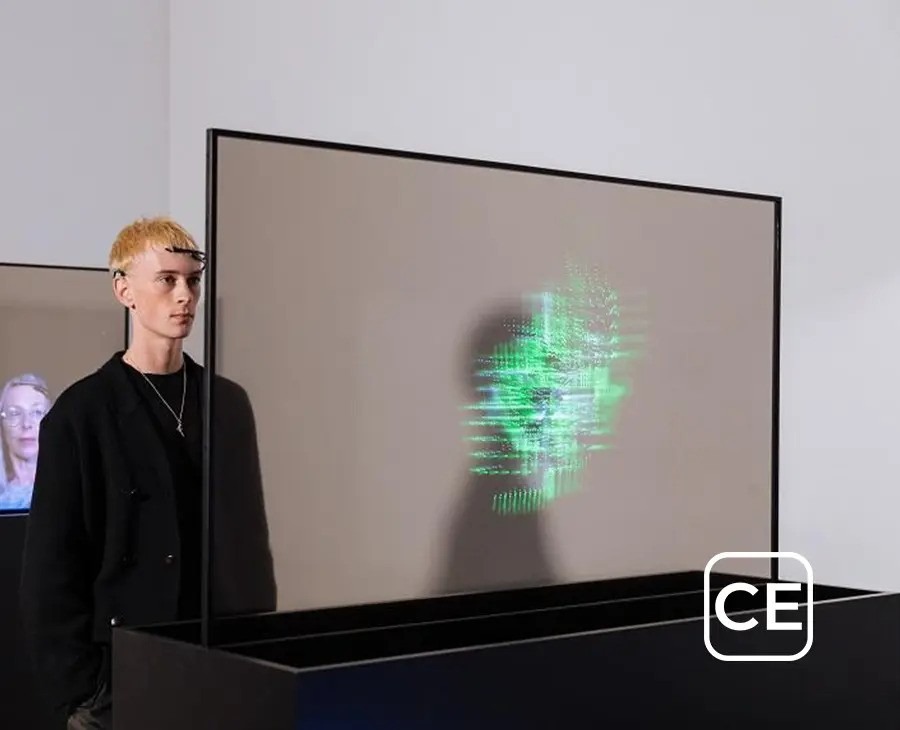
The fusion of design and technology has reached a new milestone in 2025 with the launch of the 77-inch Transparent OLED Display. Often described as a “space magician”, this next-generation screen breaks the boundary between the digital and physical world. It blends images directly into real environments, offering an entirely new way to experience information, art, and interaction. Designed for premium retail, commercial spaces, smart homes, and cultural exhibitions, this Transparent OLED Glass Screen combines high transparency, vivid color, and refined aesthetics to deliver a futuristic and immersive visual experience.
The 77-inch Transparent OLED Display uses self-emissive organic pixels to achieve exceptional transparency between 40% and 50%. When powered off, the screen becomes nearly invisible; when active, it projects floating visuals that appear to hover in space. With 4K UHD resolution (3840×2160), 1000 nits brightness, and a remarkable 1,000,000:1 contrast ratio, every detail is crisp and realistic. The wide 110% DCI-P3 color gamut ensures natural, accurate color reproduction, while a 0.1 ms response time eliminates motion blur. The screen’s ultra-slim 5 mm profile and narrow 3 mm bezel create a sleek, modern appearance. Its anti-reflective coating also maintains perfect visibility even under strong ambient light.
In retail, transparent OLED technology is reshaping how brands connect with customers. A global luxury retailer that adopted the 77-inch Transparent OLED Display for window installations reported a 70% increase in shopper engagement and a 50% rise in store traffic. The transparent screens combine physical products with AR-based motion graphics, turning traditional windows into interactive storytelling spaces.
In the automotive sector, Transparent OLED Glass Screens are being used to visualize vehicle systems and present real-time data. Customers can view engine layouts or explore car options through AR interaction — adjusting colors, wheels, and interior finishes in real time. This “see-through” display concept enhances the buying experience by merging technology with emotion.
Museums and galleries are also embracing Transparent OLED Displays to present digital art and interactive storytelling. For example, The Palace Museum has used transparent screens to revive ancient paintings, displaying animated brushwork and contextual narration. In education, transparent OLED panels are used as digital teaching tools and virtual experiment platforms, enhancing interactivity and engagement.
In public and residential spaces, the applications extend even further. Integrated into smart glass walls, mirrors, and appliances, the display can switch seamlessly between transparent and active modes. Airports, metro stations, and commercial centers use transparent OLED panels as intelligent wayfinding and information systems that maintain visual openness while delivering dynamic content.
Although the 77-inch Transparent OLED Display currently ranges between USD 15,000 – 30,000 depending on customization, it delivers substantial long-term value. For high-end retailers, architects, and technology integrators, transparent OLED panels create a strong visual identity and draw attention to the brand. As manufacturing techniques such as printed OLED (iOLED) mature, production yields and material efficiency continue to improve, driving costs down by more than 40%.
Transparent OLED displays also contribute to sustainability by consuming less power and reducing the need for physical materials in signage and advertising. With their aesthetic flexibility and energy-efficient performance, they are set to play a major role in next-generation digital architecture and interactive media environments.
The Transparent OLED Glass Screen is not just a display — it represents a shift in how we perceive and interact with information. By merging light, structure, and space, it enables a world where digital content feels real, fluid, and alive. As transparent display technology continues to evolve, the 77-inch Transparent OLED Display stands as a symbol of innovation — connecting creativity, design, and advanced engineering. For businesses looking to stand out and deliver unforgettable visual experiences, now is the time to embrace the future of transparency.