
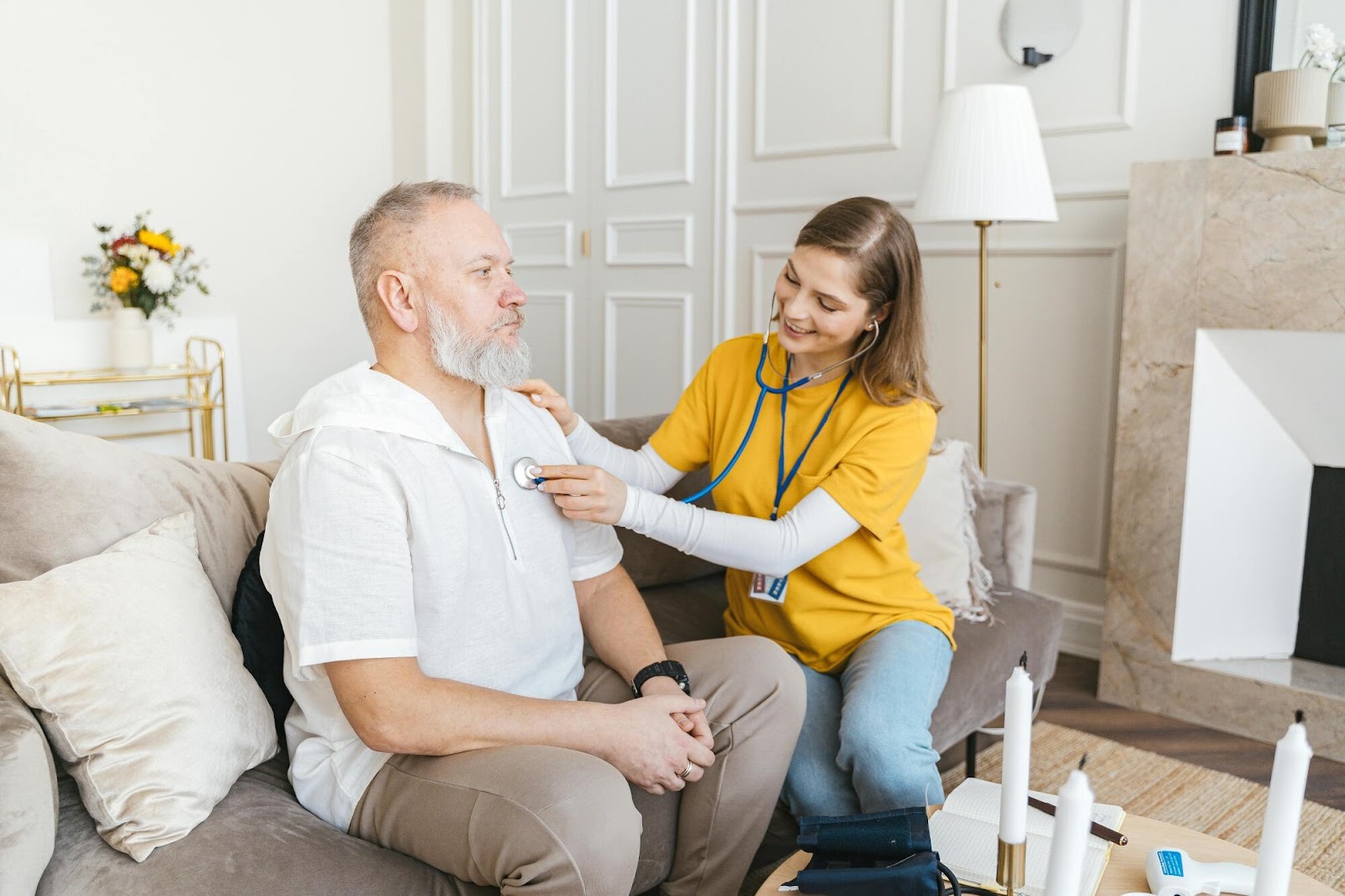
How much does mental health awareness shape the quality of care our elders receive? As people age, their emotional and psychological well-being becomes just as important as their physical health.
Yet, it is often overlooked in elderly care. Recognizing the signs of loneliness, anxiety, or depression can make a big difference in improving quality of life. When caregivers and families understand mental health, they can provide more compassionate, personalized, and effective support.
Let's explore why mental health awareness is key to delivering the best possible care for older adults-and how we can all play a part in making it a priority.
Mental health affects how seniors think, feel, and interact with others. Conditions like depression or dementia can limit their independence. They may withdraw from social activities or struggle with daily tasks.
When mental health is not addressed, it can also worsen physical health. For example, stress and anxiety can increase the risk of heart disease or weaken the immune system.
Emotional well-being is just as important as physical comfort. Seniors who feel supported are more likely to stay motivated and active. This can lead to:
Caregivers have a vital role in recognizing and addressing mental health issues. They spend the most time with seniors and can notice early signs of change. These may include:
With proper training, caregivers can provide emotional support and seek professional help when needed. Beyond observing symptoms, caregivers can also encourage daily routines that promote good mental health. Simple activities can boost mood. This includes:
Sharing stories or doing creative projects together can help seniors feel connected and valued.
One of the biggest barriers to mental health care is stigma. Many older adults grew up in times when mental health was rarely discussed. They may feel ashamed or reluctant to talk about their struggles. Families and caregivers can help by promoting open conversations and normalizing mental health care.
Ending stigma in senior health allows seniors to feel safe when seeking help. This creates an environment where their emotional needs are respected as much as their physical ones.
Improving mental health awareness in elderly care requires both education and action. Families can learn about common mental health challenges in aging. Care homes can provide training for staff to recognize symptoms early. Simple practices like regular check-ins, group activities, and counseling sessions can make a big difference.
Technology also plays a role. Video calls and social platforms help seniors stay connected with loved ones, reducing feelings of isolation. Even small gestures, such as sending photos or letters, can brighten a senior's day.
In addition, partnerships between doctors, mental health specialists, and caregivers ensure that older adults receive consistent support. These efforts build a stronger safety net for seniors and improve their overall quality of care.
Mental health awareness is essential for high-quality elderly care. When caregivers, families, and communities understand its importance, seniors benefit from better emotional and physical well-being.
Supporting mental health allows older adults to enjoy more meaningful lives. By addressing challenges and breaking down barriers, we can create a care system that values the whole person, not just their physical needs.
If you'd like to learn more, check out more articles on our blog.











