Image Source: Yandex.com
Keeping a building safe and legally compliant in London requires ongoing effort and knowledge of national and local regulations. Building owners, landlords, and property managers must understand their responsibilities, act proactively, and respond swiftly when issues arise. This guide explains what you need to know to keep your building in line with UK property law and maintain safety for residents.
In London, property safety and compliance are governed by a mix of national statutes, building regulations, and local authority rules. These rules aim to protect tenants, visitors, and the general public from hazards. Some regulations apply to all buildings, while others specifically target residential rental properties.
Key requirements cover structural safety, fire safety, gas and electrical systems, and environmental standards. Failing to comply can lead to enforcement actions, fines, or even prohibition orders by local authorities. It is essential to stay informed about updates to regulations and guidance issued by the UK government. The official government guidance on building safety and landlord duties is a crucial reference for compliance.
One of the fundamental responsibilities is ensuring the building’s structure is sound. Walls, roofs, foundations, floors, windows, and external walls must be free from serious defects that pose risks to occupants. Cracks, leaks, subsidence, or instability must be addressed without delay.
Drainage systems, gutters, and external pipes also fall under the maintenance obligations. Blocked drains or broken pipes can cause water damage, structural decay, or mold problems. Regular inspection and maintenance help prevent small defects from becoming costly and dangerous.
Doors, windows, and other openings should be secure, functional, and weatherproof. Locks, hinges, frames, and seals must be maintained to prevent water ingress, drafts, or security breaches.
Fire safety is a crucial area of compliance. Buildings must be equipped with smoke alarms on each floor and, where necessary, heat detectors. In apartments or multi-occupancy buildings, additional fire safety measures may include fire doors, escape routes, signage, and emergency lighting.
Landlords and building owners must ensure that furnishings, carpets, and other materials meet fire safety standards. Fire risk assessments should be conducted by qualified professionals, particularly in communal areas or shared buildings.
Escape routes must remain clear, doors must function properly, and emergency exits should not be blocked. Staircases, corridors, and external walkways must be maintained and kept safe.
Local fire authorities may inspect buildings and require remedial actions to remove hazards or improve fire safety provisions.
Where a property uses gas appliances or gas supply lines, it is mandatory to ensure safe installation and maintenance. Landlords must engage a Gas Safe registered engineer to inspect and service gas appliances, flues, and supply pipes annually.
A valid gas safety record must be provided to tenants at the start of their tenancy and within 28 days of each annual check. This helps confirm that the property is safe and compliant with legal requirements.
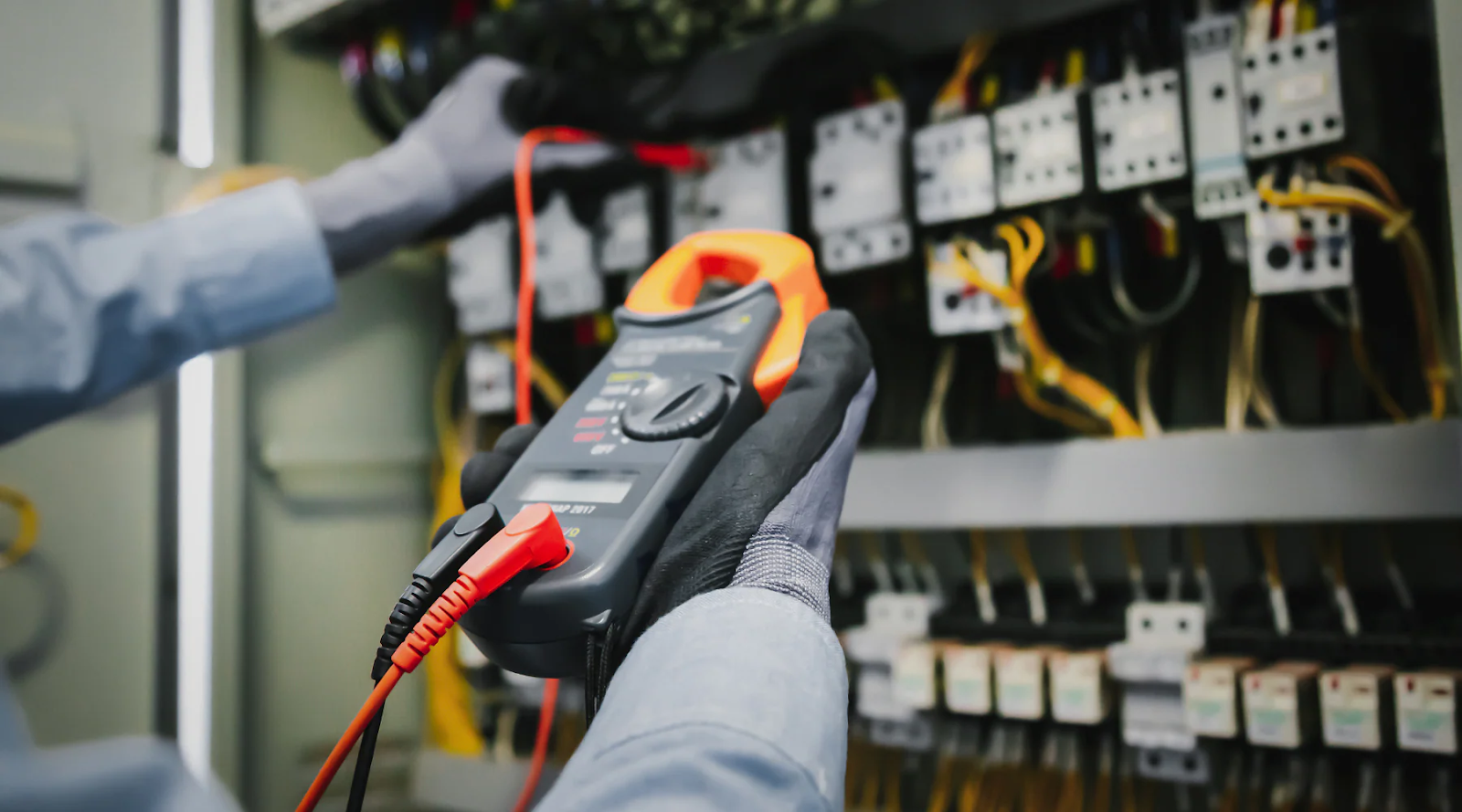
Electrical safety is another critical area. Electrical installations must be periodically checked to ensure they remain safe and fit for use. In many cases, landlords in London must arrange for inspections and provide tenants with documentation of compliance.
The Gas Safety Certificates London requirement is mostly about gas, but it’s often associated in landlord compliance discussions with electrical safety measures. Though not the same, both systems must be properly maintained to reduce risks in properties.
Electrical circuits, consumer units, fixed wiring, and any integrated appliances should be inspected by a qualified electrician, and any faults must be remedied. In some instances, local regulations or tenancy agreements may require an Electrical Installation Condition Report (EICR).
Beyond fire, gas, and electrical safety, buildings must support healthy living conditions. This includes adequate ventilation, prevention of damp and mold, insulation, and appropriate heating.
Windows and openings should allow air circulation. Mechanical ventilation may be necessary in bathrooms and kitchens. Moisture penetration must be managed through proper drainage and repairs.
Temperature control and insulation help ensure occupants are not exposed to extremes of cold or heat. Poor insulation or faulty heating can harm health and infringe habitability standards.
Routine inspections are vital. Building owners should conduct regular walkthroughs of common areas, external features, and safety systems. Any signs of wear, damage, or hazard should be documented and addressed.
Keeping detailed maintenance logs—dates, actions taken, invoices, inspection reports—serves as evidence of compliance. Records are crucial when responding to complaints or inspections by authorities.
When tenants or occupiers report defects, it is essential to assess and respond within a reasonable timeframe relative to the severity of the issue. Emergencies (e.g. structural collapse risk or gas leaks) demand immediate action.
Building owners should engage qualified and registered professionals (engineers, electricians, gas specialists, fire safety experts) to carry out inspections, repairs, and certification.
Local councils in London have powers to inspect properties and enforce regulations under housing health and safety laws. If a building is found unsafe, enforcement notices may be issued, requiring remedial work within specified deadlines. In extreme cases, councils can undertake the necessary repairs themselves and bill the building owner.
Noncompliance can lead to fines, legal action, compensation claims from tenants, and reputational damage. In cases where poor maintenance leads to injury or property damage, liability may rest with the building owner or landlord.
It is unlawful to retaliate against tenants or occupants who report hazards or request repairs. Undertaking illegal eviction or intimidation can lead to further legal consequences.
Image Source: Yandex.com
A proactive approach yields the best results. Schedule regular safety audits to identify potential problems before they escalate. This includes fire safety reviews, gas and electrical checks, roof inspections, drainage assessments, and structural assessments.
Staying updated with changes in UK building regulations, landlord and tenant laws, and environmental standards is essential. London’s building safety regulations evolve, especially in response to high-profile incidents or safety reviews.
Communication with tenants and occupants is vital. Encourage prompt reporting of defects and ensure clarity on responsibilities. Transparent processes and responsiveness help sustain compliance and trust.
Consider investing in safety training for maintenance staff and property managers so they understand regulation and risk mitigation.
Ensuring a building remains safe and compliant under UK property regulations is an ongoing responsibility, particularly in London where regulations may be closely enforced. Structural maintenance, fire safety, gas and electrical systems, ventilation, and regular inspections all combine to protect occupants and preserve property value.
Neglecting safety obligations not only endangers lives but also exposes owners to legal and financial consequences. By adopting proactive maintenance policies, engaging qualified professionals, and keeping detailed records, building owners can fulfill their obligations effectively.
For further reading on property compliance and safety matters in the UK, you might find this article on Northpennnow.com.