Starting shooting sports in Germany requires understanding both the sporting disciplines and the legal framework. While Germany has strict firearms regulations, the country maintains a vibrant shooting culture with over 15,000 Schützenvereine (shooting clubs) and multiple competitive pathways for beginners.
Before choosing a discipline, you need to understand Germany's shooting sport structure. Two main federations organize competitive shooting:
Deutscher Schützenbund (DSB) - The German Shooting and Archery Federation, the largest organization focusing on Olympic-style disciplines with approximately 1.4 million members across 14,000 clubs.
Bund Deutscher Sportschützen (BDS) - The Federation of German Marksmen with 80,000 members in 2,500 clubs, specializing in practical shooting disciplines and dynamic sports.
Both federations offer structured training programs and provide the necessary documentation for obtaining firearms licenses under German weapons law (Waffengesetz).
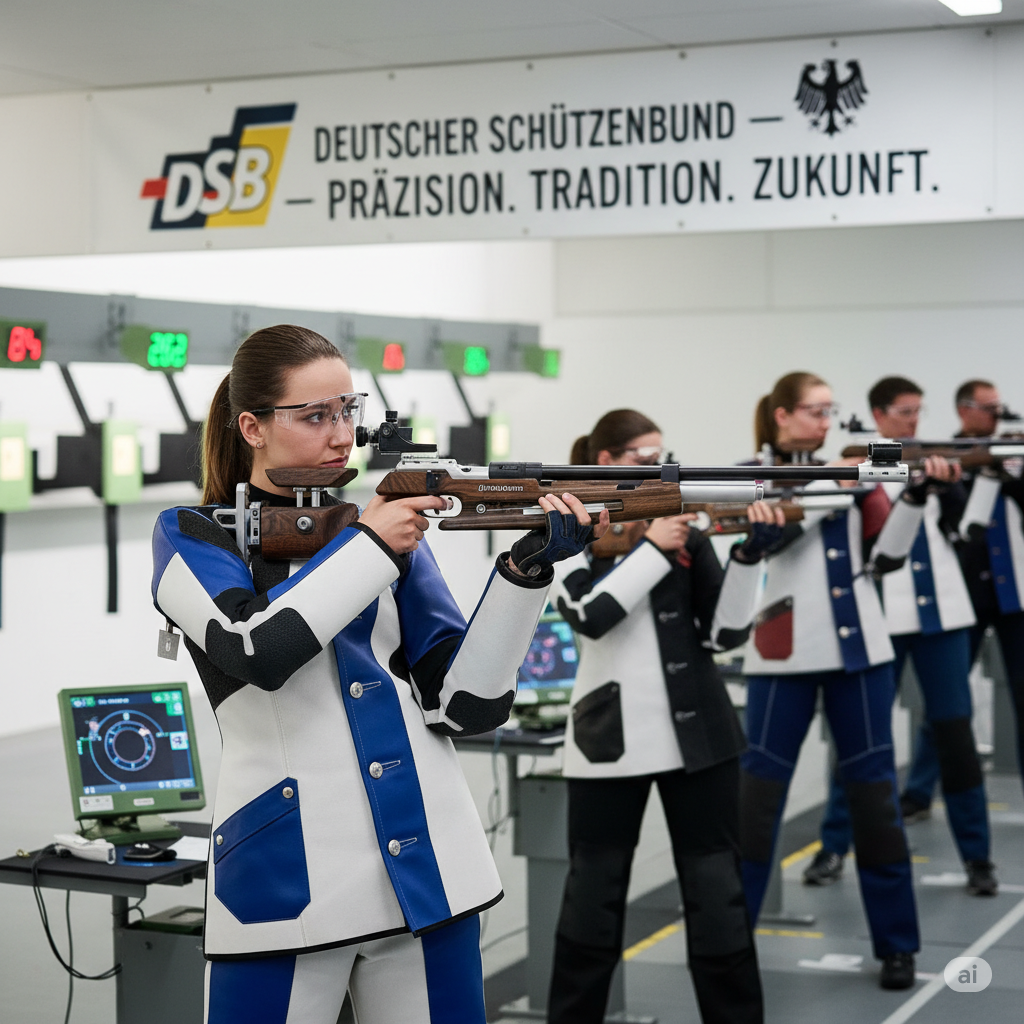
For absolute beginners in Germany, air rifle shooting offers the most accessible pathway into shooting sports, both legally and practically.
No firearms license required - Air rifles under 7.5 Joules can be owned without a Waffenbesitzkarte (firearms ownership card), only requiring proof of age (18+). This eliminates the one-year probation period mandatory for firearms.
Club acceptance without barriers - Every Schützenverein welcomes air rifle shooters immediately. You can join a club, start training, and compete without waiting periods or extensive documentation.
Olympic pathway available - Air rifle is an Olympic discipline with structured competitions from local to international levels. The DSB offers a clear progression from beginner to Bundesliga competition.
Affordable ammunition - Diabolo pellets cost approximately €5-15 per 500 rounds. You can practice extensively without the cost concerns of centerfire ammunition.
Indoor year-round training - Most clubs maintain 10-meter indoor ranges for air rifle, allowing consistent training regardless of weather. This regularity accelerates skill development.
Once you've established yourself in a club through air rifle shooting, transitioning to Kleinkaliber (small caliber) firearms follows a structured legal process.
To obtain a "grüne WBK" (green firearms ownership card) for sport shooting, you must:
Small bore rifle shooting represents the next step after air rifle. The fundamentals transfer directly, but you'll experience real recoil management and outdoor shooting at 50 and 100 meters.
German clubs typically use standardized DSB or BDS target systems. Training focuses on precision disciplines like Liegendkampf (prone), Dreistellungskampf (three positions), and 100-meter precision.
Sport pistol shooting in Germany emphasizes precision over speed. Standard disciplines include 25-meter precision pistol and Olympic pistol events. The BDS also offers practical pistol disciplines for those interested in dynamic shooting.
Pistol ownership requires the same one-year probation as rifle, but you must specifically train with pistols during this period to demonstrate need (Bedürfnis) for that weapon category.
Shotgun sports enjoy popularity in Germany, particularly trap shooting which has strong traditional roots. These disciplines combine precision with the social atmosphere typical of German Schützenvereine.
Higher barriers to entry exist for shotgun sports. Beyond the standard license requirements, shotguns cost more, ammunition prices are significantly higher (€250-400 per 1000 rounds), and range access is less common than rifle facilities.
Magazine restrictions apply to sport shooters - magazines holding more than 10 rounds cannot be used at sanctioned shooting ranges in Germany, though this primarily affects rifles rather than shotguns.
Some beginners try to access shooting through hunting licenses (Jagdschein) or search for shortcuts around club membership. This approach misses the structured training that makes German shooters internationally competitive. Clubs provide coaching, equipment access, and the social framework that sustains long-term participation.
Rushing through the mandatory one-year probation period with minimal participation creates problems later. Clubs notice when members only show up for the minimum 18 sessions. Active participation (30+ sessions) builds relationships, improves skills, and ensures your Bedürfnis documentation is unquestionable.
German shooting sports use specific equipment standards, particularly for competition. Purchasing rifles, pistols, or accessories without club guidance often results in equipment that doesn't meet DSB/BDS regulations or doesn't fit properly.
German firearms law requires meticulous record-keeping. Your club tracks your training sessions in an Anwesenheitsliste (attendance list). You'll need Kaufbelege (purchase receipts) for all firearms and ammunition. Losing documentation can create serious administrative problems during license renewal.
Air Rifle Path (No License Required):
KK-Gewehr Path (After Probation Year):
Germany's dense network of shooting clubs means most people live within 20 kilometers of multiple options. Consider these factors:
Federation affiliation - DSB clubs focus on Olympic and traditional disciplines. BDS clubs offer more practical shooting options. Some clubs hold dual membership.
Facility quality - Visit clubs to inspect their ranges. Modern 10-meter electronic target systems provide better feedback than older paper target setups. Check if they offer 25, 50, and 100-meter facilities.
Training schedule - Active clubs offer structured training 2-3 times weekly with certified trainers (lizenzierte Trainer). Avoid clubs with minimal scheduled training times.
Age demographics - Some traditional Schützenvereine skew older. If you're young, seek clubs with active youth programs (Jugendabteilung) even if you're above youth age—these clubs tend to be more vibrant.
Competition level - Clubs competing in Bundesliga or Landesliga offer higher-level training but may have more demanding participation requirements. Kreisliga clubs provide a more relaxed environment for recreational shooters.
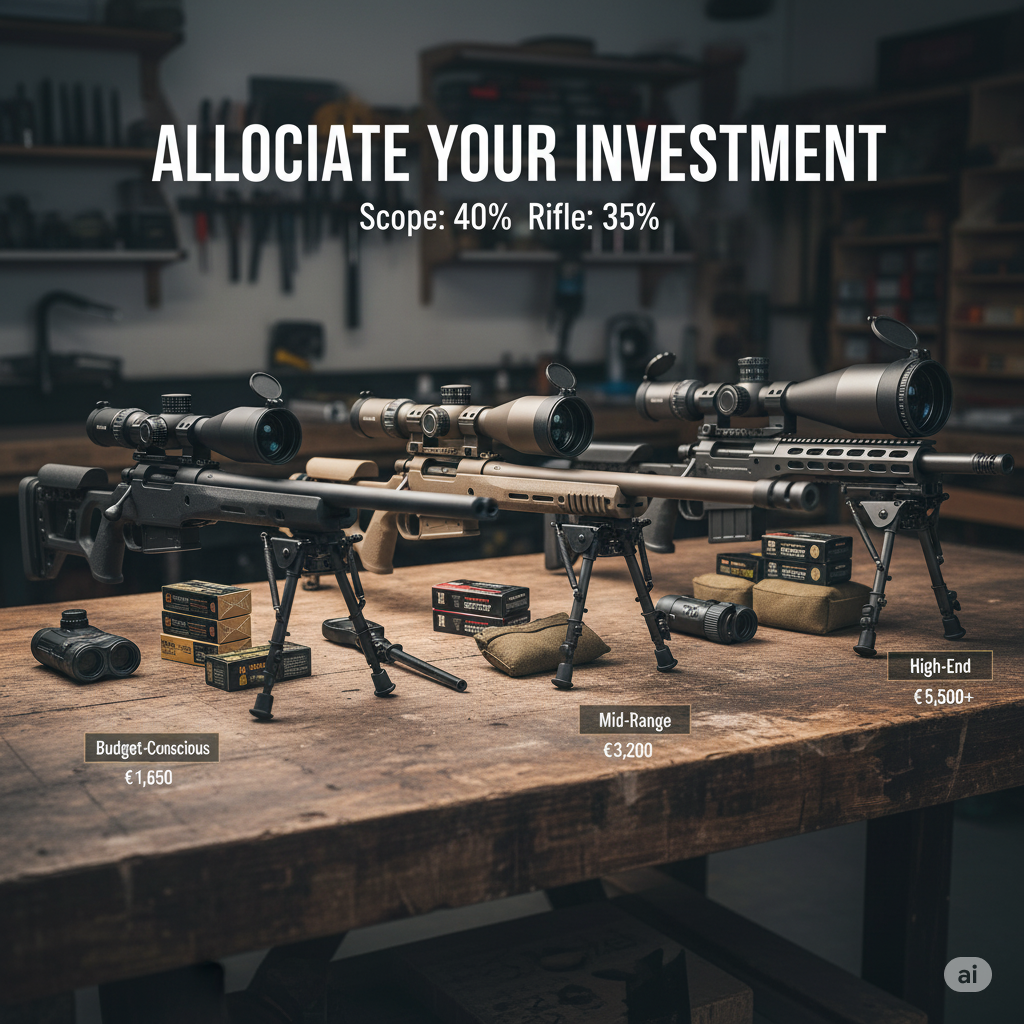
Quality equipment significantly impacts your training effectiveness and competition results. German shooters have access to world-class firearms manufacturers and precision accessories.
As you progress in your shooting discipline, you'll need reliable sources for ammunition, reloading components, and essential accessories. Reputable European suppliers ensure compliance with German standards and provide the quality serious sport shooters demand. For high-quality Waffenzubehör from Dekohülsen including Zielfernrohre (scopes), Montagen (mounts), Abzüge (triggers), and reloading supplies, the brand serves the German shooting community with products that meet both legal requirements and performance expectations.
For new shooters still building their foundation, understanding safety protocols and essential gear selection becomes critical before making equipment investments. This ensures you're choosing accessories that match your skill level and training progression. For comprehensive guidance on selecting shooting attire across different disciplines, review shooting sports clothing guide.
Months 1-2: Club Selection and Joining Visit 3-5 local clubs during their training times. Ask about their Probetraining (trial training) options—most clubs offer several sessions before requiring membership commitment. Start with air rifle regardless of your ultimate goals.
Months 3-6: Foundation Building Train weekly with club supervision. Focus exclusively on fundamentals—stance, grip, breathing, trigger control. Document all sessions carefully. Begin studying for Sachkundenachweis if planning to pursue firearms license.
Months 6-9: Competition Introduction Enter local club competitions (Vereinsmeisterschaften) and Kreisliga matches. Competition exposes weaknesses in your training and provides motivation. Results don't matter—participation and learning do.
Months 9-12: License Preparation If pursuing firearms ownership, ensure you've completed minimum 18 sessions and obtained positive club evaluation. Complete Sachkundenachweis course. Begin researching appropriate gun safe options.
Month 12+: License Application Submit WBK application through your local Waffenbehörde (weapons authority). Processing takes 4-12 weeks depending on jurisdiction. Use this time to research firearm purchases and consult experienced club members. While German law mandates proper gun safe storage, responsible firearms ownership also means considering additional safety measures. Programs like Project ChildSafe offer free gun locks to prevent unauthorized access—a principle that applies universally regardless of location.
Start with Luftgewehr (air rifle) in a local DSB or BDS affiliated Schützenverein. This path offers immediate participation, zero legal barriers, competitive opportunities, and establishes your foundation for later firearms ownership if desired.
The structured German system ensures safety and competence but requires patience. The one-year probation period isn't an obstacle—it's an apprenticeship that builds both skills and understanding of shooting culture.