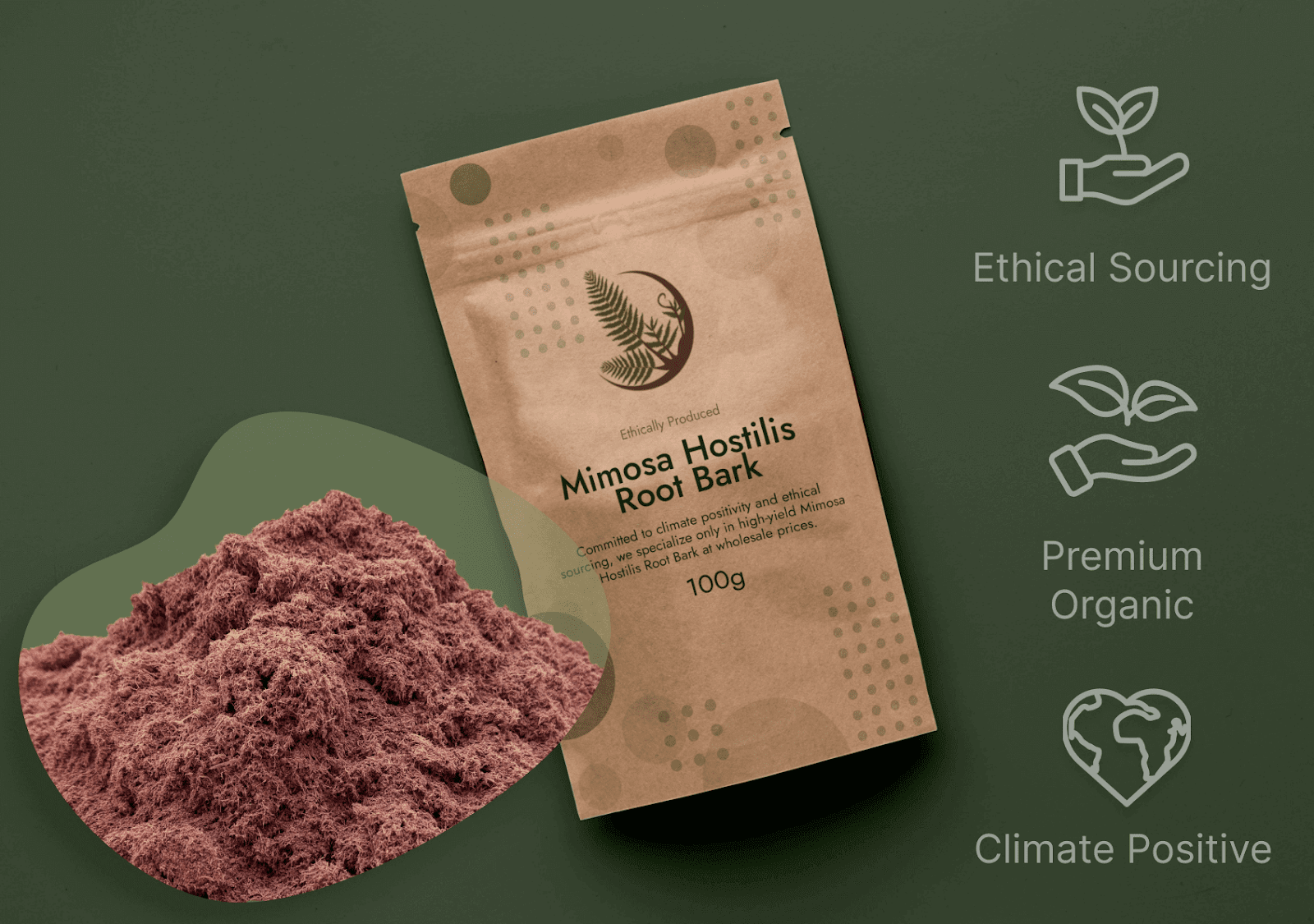
Mimosa powder has gained significant attention in recent years due to its diverse applications in traditional medicine, spiritual practices, and natural health remedies. Derived from the Mimosa hostilis tree — also known as jurema preta in Portuguese — this natural product has been used for centuries by indigenous cultures in South America. Today, mimosa powder is used for everything from skin care to rituals and plant dyeing, thanks to its rich chemical composition and healing properties.
In this article, we will explore everything you need to know about mimosa powder, including its origins, chemical components, traditional and modern uses, benefits, and safety considerations.
As per experts at a popular aesthetic clinic in Kuala Lumpur, mimosa powder is a finely ground product made from the inner root bark of the Mimosa hostilis tree. Mimosa powder is a finely ground product made from the inner root bark of the Mimosa hostilis tree, which is native to northeastern Brazil and parts of Mexico. The tree is highly regarded for its resilience and is capable of surviving extreme drought conditions.
The inner root bark is carefully harvested, dried, and ground into a fine reddish-brown powder. This powder contains a variety of potent alkaloids, tannins, and other natural compounds that make it valuable for medicinal, cosmetic, and spiritual uses.
The botanical name of the tree from which mimosa powder is derived is Mimosa tenuiflora, although it is still widely referred to by its former name, Mimosa hostilis. In Brazil, the tree is commonly called jurema preta, which translates to "black jurema."
Jurema preta has a long history of use among indigenous people such as the Tupi and the Pankararu, who have utilized it in both medicinal and ceremonial contexts for hundreds of years.
One of the reasons mimosa powder is so highly valued is due to its rich chemical profile. The inner root bark contains a wide variety of bioactive compounds, including:
The presence of DMT in mimosa powder is especially notable in the context of spiritual and shamanic practices, where it has been used in traditional brews similar to ayahuasca.
In its native regions, jurema preta has been a key component in entheogenic rituals — spiritual ceremonies that involve altered states of consciousness. The bark was often brewed into a drink used by shamans to facilitate visions, healing, and communication with spiritual entities.
Traditionally, mimosa powder has been used in folk medicine for a wide range of ailments:
Today, mimosa powder is not just limited to traditional uses. Its healing and restorative properties have made it popular across various industries.
Thanks to its antimicrobial, regenerative, and anti-inflammatory properties, mimosa powder is increasingly used in:
It helps tighten skin, promote collagen production, and accelerate healing — all without harsh synthetic chemicals.
Mimosa powder is also prized for its natural pigmentation, which makes it a popular dye for textiles. It produces rich reddish-brown tones that are eco-friendly and sustainable.
In some spiritual communities, mimosa powder continues to be used as a sacrament or plant teacher. The DMT in jurema preta root bark is sometimes extracted and used in entheogenic contexts, though this is regulated or illegal in many countries.
While more scientific studies are needed to confirm all the traditional claims, several benefits of mimosa powder are widely recognized:
The high tannin and flavonoid content helps kill bacteria and fungi, making it useful for treating infections and wounds.
Mimosa powder has been shown to reduce inflammation, which helps in the treatment of acne, skin irritations, and muscle pain.
It encourages the regeneration of skin and connective tissues, making it highly effective for burn treatment and skin repair.
Flavonoids act as antioxidants, protecting the skin and body from oxidative stress and free radicals.
Depending on the intended purpose, mimosa powder can be used in several ways:
Because jurema preta contains DMT, there are legal considerations depending on your country. While the plant itself is often legal, extracting DMT or using it as a psychedelic may be illegal or highly regulated.
From ancient rituals to modern skincare, mimosa powder has proven to be a remarkably versatile natural remedy. Derived from the revered jurema preta tree, it offers powerful antimicrobial, regenerative, and spiritual properties that continue to benefit people around the world.
Whether you're exploring natural alternatives for healing, looking for sustainable skincare ingredients, or simply fascinated by ethnobotany, mimosa powder is a unique and powerful botanical worth knowing.
As always, use it responsibly, understand its cultural roots, and consult experts before incorporating it into any health or spiritual practice.