As the electric vehicle (EV) revolution accelerates, manufacturers are facing a dual challenge: scaling production to meet growing demand while reducing the environmental footprint of their operations. One area gaining attention is sustainable coil winding, a key process in the production of electric motors, transformers, and inductors that power EVs. The push for greener coil winding practices is transforming how companies think about materials, processes, and supply chains—bringing sustainability and innovation together in a sector once defined purely by efficiency and performance.
The Growing Importance of Coil Winding in EV Production
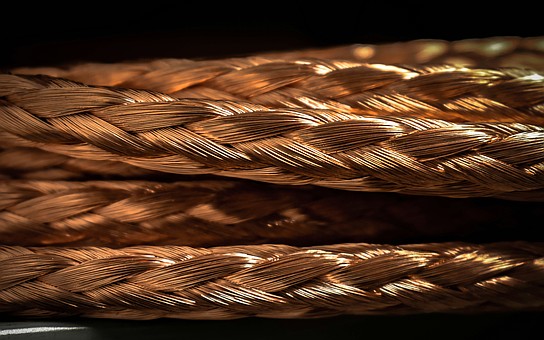
Electric vehicles rely heavily on precisely wound coils to generate magnetic fields within their motors. These coils convert electrical energy into mechanical motion, making them central to EV performance, range, and reliability. As EV adoption surges globally, the demand for high-quality, durable, and efficient coil windings has skyrocketed. However, traditional coil winding processes can be resource-intensive. They often involve non-recyclable materials, energy-heavy manufacturing, and significant waste from copper, insulation, and resins.
The rise of sustainable coil winding practices offers a solution to these challenges. Manufacturers are rethinking how coils are designed, produced, and recycled—aligning their processes with the larger goals of environmental responsibility and circular manufacturing.
What Makes Coil Winding Sustainable?
Sustainability in coil winding involves more than just reducing emissions. It’s a comprehensive approach that spans raw material sourcing, production efficiency, energy management, and end-of-life recycling. The most forward-thinking companies are embracing strategies such as:
Sustainable Coil Winding and the EV Supply Chain
Electric vehicles are only as sustainable as their supply chains. While EVs produce zero tailpipe emissions, the production of components like batteries and motors still carries environmental costs. Coil winding, as part of the electric motor manufacturing process, presents a clear opportunity to reduce these impacts.
For example, integrating sustainable coil winding techniques can significantly cut down on copper waste—an increasingly expensive and environmentally sensitive material. Companies are also localizing coil production to reduce transportation emissions, embracing renewable energy sources for plant operations, and working with suppliers who adhere to responsible mining and smelting practices.
By combining these efforts, EV manufacturers can improve both the sustainability profile of their vehicles and their resilience to global supply chain disruptions. This holistic approach not only benefits the environment but also strengthens the brand value of companies prioritizing sustainable manufacturing.
Innovations Driving the Shift Toward Sustainability
Several technological advancements are pushing sustainable coil winding into the mainstream.
These innovations not only make sustainable coil winding more achievable but also align with broader Industry 4.0 principles, where data-driven processes enable smarter, cleaner manufacturing systems.
Economic and Regulatory Drivers
Governments worldwide are tightening regulations around carbon emissions, waste management, and sustainable sourcing. For EV manufacturers, these policies extend deep into their supply chains, incentivizing cleaner production methods like sustainable coil winding.
Financially, sustainability has become a competitive advantage. Consumers and investors alike are favoring brands that demonstrate genuine environmental stewardship. In the automotive industry, this translates into long-term cost savings through energy-efficient operations, reduced waste disposal fees, and enhanced brand reputation. Moreover, as resource scarcity drives up material costs, the ability to recycle and reuse metals like copper and aluminum will become an economic necessity rather than a choice.
Case Studies in Sustainable Coil Winding
Several leading manufacturers are already showcasing how sustainable coil winding can make a tangible difference.
Each of these examples demonstrates how sustainability is not only compatible with high performance but can also drive innovation and profitability in the EV market.
Overcoming Challenges to Adoption
While the benefits of sustainable coil winding are clear, the path to widespread adoption still faces hurdles. Upfront costs for new machinery, retraining employees, and reconfiguring supply chains can be significant. Additionally, some eco-friendly materials may not yet meet the same durability or conductivity standards as traditional components.
To overcome these challenges, collaboration across industries is essential. Manufacturers, researchers, and policymakers must work together to create standards that encourage sustainability without compromising performance. Partnerships with academic institutions can also accelerate the development of new materials and techniques that meet both economic and ecological goals.
The Future of Sustainable Coil Winding in the EV Industry
As the EV market continues to expand, the role of sustainable coil winding will become even more critical. The next generation of electric motors will likely integrate modular and recyclable designs, powered by renewable energy and monitored through advanced analytics.
By 2030, analysts predict that the majority of coil winding operations for EVs will incorporate sustainability as a baseline requirement. This shift will be driven not only by regulation but also by consumer demand for greener vehicles and greater transparency in production practices.
Conclusion
The transition to sustainable coil winding represents a vital step in aligning electric vehicle manufacturing with global sustainability goals. It’s not just about reducing carbon footprints—it’s about rethinking how materials, energy, and technology interact across the entire lifecycle of a product.
In a world where electric mobility is shaping the future of transportation, sustainable coil winding serves as both a symbol and a practical pathway toward a cleaner, more efficient, and resilient manufacturing ecosystem. By investing in greener production processes today, the EV industry can build a foundation that supports both technological progress and environmental stewardship for decades to come.