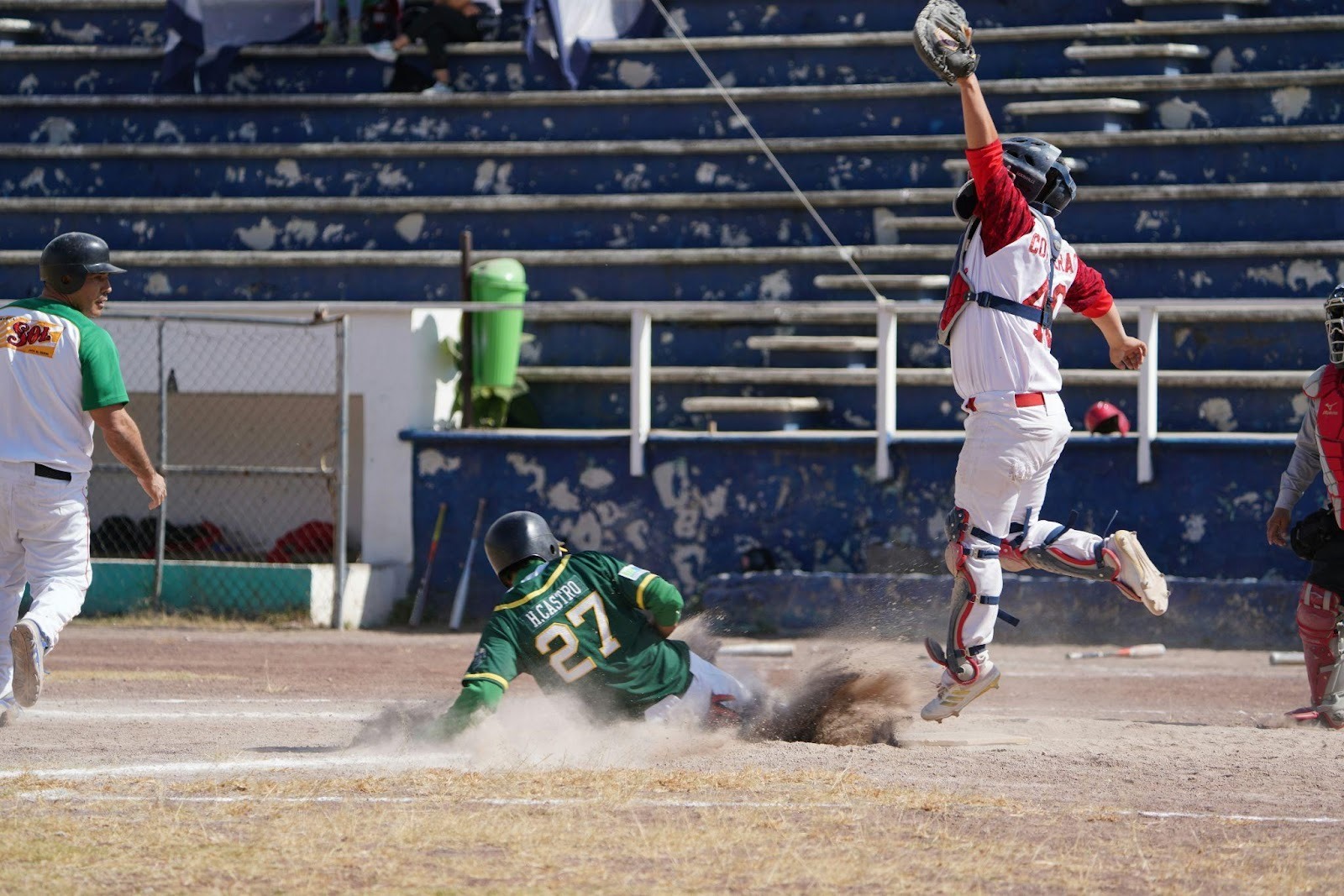
As another youth baseball season begins across Montgomery County and beyond, the focus is shifting from just batting averages and strikeouts to something far more important, long-term health. Parents, coaches, and trainers are becoming increasingly aware of the toll repetitive motions can take on growing bodies.
Instead of relying solely on ice packs and post-game rest, many young players are turning to smarter recovery methods, from improved warm-ups to wearable gear like compression sleeves for baseball that help maintain blood flow and reduce muscle fatigue. Injury prevention has quietly become the foundation of youth baseball’s evolution, shaping how players train, recover, and play the game they love.
While baseball has always been considered a low-contact sport, overuse injuries have become a growing issue at the youth level. Pitchers, in particular, are vulnerable to shoulder and elbow strain, especially when they throw year-round or skip rest periods between seasons.
According to data from the American Sports Medicine Institute, nearly 45% of youth baseball players aged 11–14 report some form of arm pain during a season. The main culprits: too many innings, too little recovery, and a lack of awareness about early warning signs.
In response, leagues, schools, and even local travel teams have begun enforcing stricter pitch count limits and mandatory rest days. Coaches are also emphasizing balanced conditioning rather than endless pitching drills. The idea isn’t just to win more games, it’s to ensure kids can keep playing year after year without chronic pain.
Gone are the days when recovery meant little more than an ice bag and a pat on the back. Today’s young athletes are embracing approaches once reserved for professionals, and parents are taking notice.
Even local high schools in the North Penn region have begun incorporating structured recovery sessions into their training calendars, reinforcing the idea that prevention is just as important as practice.
The biggest shift, however, might not be in the gear or the warm-ups, it’s in the mindset. For years, the phrase “no pain, no gain” dominated youth athletics. Today, coaches are pushing back on that mentality.
Organizations like Little League International and USA Baseball have expanded their Pitch Smart programs, offering clear age-specific guidelines on throwing limits, rest days, and mechanics. Parents, too, are more informed than ever, researching equipment, talking with physical therapists, and asking better questions about long-term health.
In the North Penn area, local clinics and orthopedic specialists regularly host free seminars for parents and young athletes about injury prevention and the warning signs of overuse. These community events are helping re-educate families on the importance of rest, balanced training, and listening to the body’s early signals.
While no device can completely prevent injury, innovative gear is making it easier to stay comfortable and protected during play.
Lightweight, breathable compression sleeves, for example, are increasingly popular among youth and high-school athletes. They help maintain circulation, reduce vibration stress during pitching or batting, and keep the arm muscles warm even on cooler days.
But experts caution that gear should always support, not replace, proper training. “A sleeve can help a fatigued arm feel more stable,” says Dr. Laura Jennings, a sports medicine physician based in suburban Philadelphia, “but it won’t correct poor mechanics. The fundamentals still matter most.”
That balance between technology and technique is exactly where youth baseball is headed, blending modern tools with smarter habits.
Across Montgomery County, several community leagues are embracing this more holistic approach to youth baseball.
These community-driven efforts are reinforcing one clear message: keeping kids healthy ensures the longevity of the game itself.
Parental awareness has proven to be one of the most important factors in reducing overuse injuries. Coaches can set guidelines, but it’s parents who often notice the subtle changes, the quiet grimace after a throw or the reluctance to grip a bat.
Encouraging open dialogue between players, parents, and coaches has become standard practice. Families are also learning to pace their young athletes through multi-sport participation, allowing different muscle groups to develop and rest throughout the year.
This collaborative culture, one rooted in prevention, not punishment, is what’s making local baseball more sustainable and enjoyable for everyone involved.
As youth baseball continues to evolve, injury prevention is no longer a side topic, it’s central to the sport’s future. Schools, local leagues, and parents are proving that with the right guidance, technology, and mindset, young players can stay active without burning out.
What’s emerging is a culture of awareness and care, one that values education and longevity over short-term performance.
From smarter pitch limits to supportive recovery gear like compression sleeves, the game is quietly being reshaped by science and community collaboration. And that might be the best win of all, seasons built not just on competition, but on sustainability and strength.