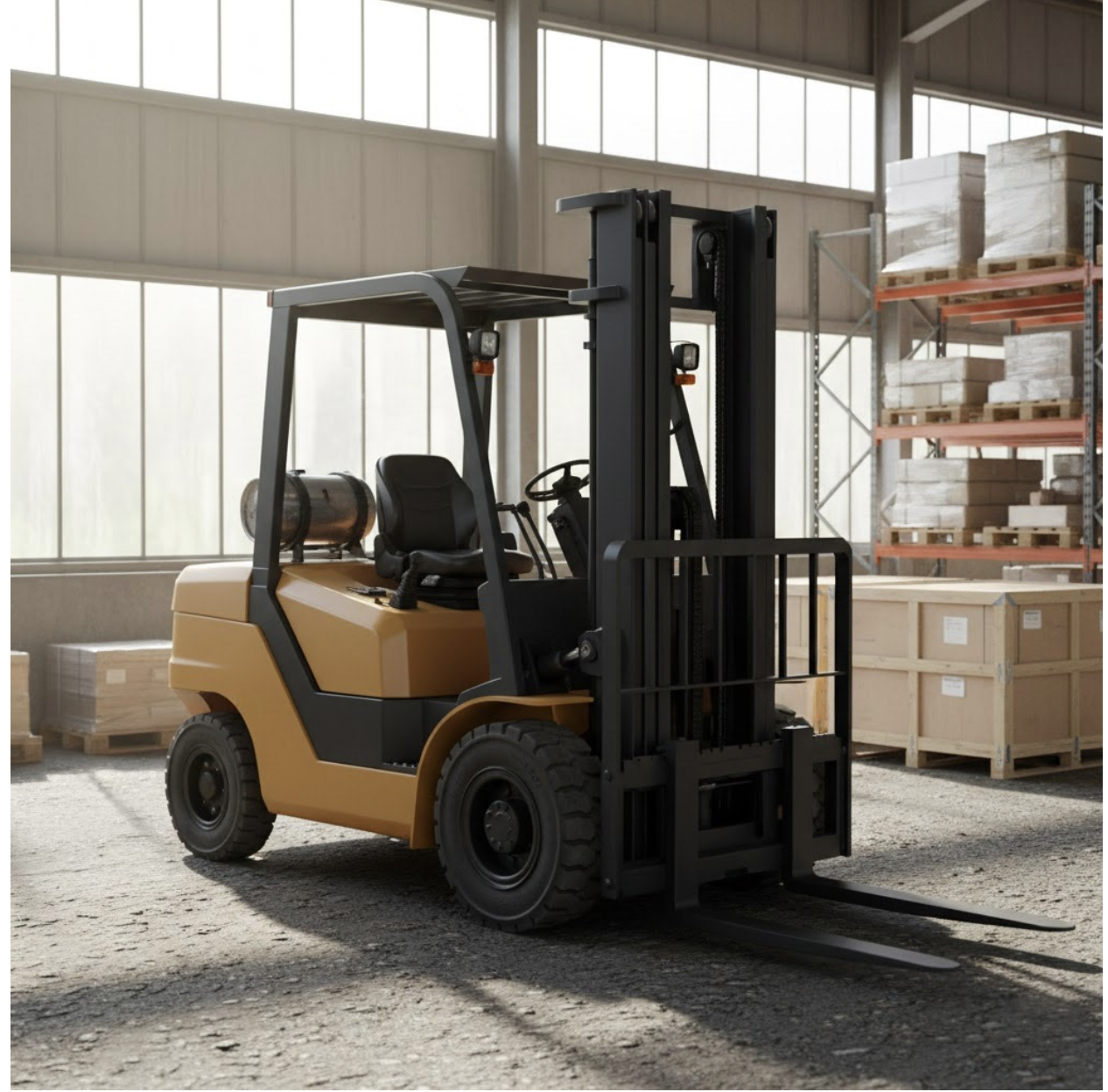
In any warehouse or industrial facility, forklifts are the workhorses that keep operations running smoothly. However, these powerful machines require consistent care and attention to maintain peak performance and ensure operator safety. A well-structured preventive maintenance program combined with thorough daily inspections forms the cornerstone of responsible forklift management, reducing downtime, extending equipment life, and preventing costly accidents.
The Critical Importance of Daily Pre-Operation Inspections
Before any forklift begins its shift, a comprehensive pre-operation inspection should be completed by the operator. This daily ritual serves as the first line of defense against equipment failure and safety hazards. OSHA regulations require these inspections, and for good reason—they catch small problems before they become major issues.
A proper daily inspection should cover several key areas. Operators must check all fluid levels, including hydraulic fluid, engine oil, coolant, and brake fluid, topping off as necessary. Tire condition deserves careful attention, with checks for proper inflation, excessive wear, and any cuts or damage that could lead to failure during operation. The braking system must be tested for responsiveness, and steering should operate smoothly without excessive play or binding.
Visual inspections of the mast, chains, and forks are equally important. Look for signs of wear, cracks, or deformation that could compromise lifting capacity. Safety features including lights, horns, backup alarms, and seat belts must all be verified as functional. Any issues discovered during the daily inspection should be documented and reported immediately, with the forklift tagged out of service until repairs are completed.
Establishing Effective Preventive Maintenance Schedules
While daily inspections catch immediate concerns, a structured preventive maintenance schedule addresses the deeper, long-term health of your forklift fleet. These schedules are typically based on operating hours rather than calendar time, as usage intensity varies significantly between facilities.
Most manufacturers recommend maintenance intervals at 200, 500, 1,000, and 2,000 operating hours. At the 200-hour mark, basic service includes oil and filter changes, lubrication of moving parts, and inspection of belts and hoses. The 500-hour service adds more comprehensive checks of the transmission, differential, and brake systems, along with adjustment of critical components.
Major services at 1,000 and 2,000 hours involve thorough inspections of the entire machine, including the mast assembly, hydraulic cylinders, and electrical systems. These intervals are ideal for replacing wear items before they fail and for addressing any performance degradation that has developed over time.
Having a reliable parts supplier makes maintaining these schedules far easier. Companies like Warehouse IQ specialize in providing quality forklift parts, ensuring that maintenance technicians have access to the components they need when they need them. Quick access to genuine or high-quality aftermarket parts minimizes downtime and keeps your preventive maintenance program on track.
Documentation and Record Keeping
An often-overlooked aspect of preventive maintenance is proper documentation. Every inspection and service should be recorded, creating a comprehensive maintenance history for each forklift. These records serve multiple purposes: they demonstrate compliance with OSHA regulations, help identify recurring problems that may indicate a need for replacement, and provide valuable data for budgeting future maintenance costs.
Modern fleet management software can streamline this process, sending automatic reminders when maintenance is due and storing all records digitally for easy access during audits or when troubleshooting issues.
Training and Accountability
Even the best preventive maintenance schedule fails without proper training and accountability. Operators must understand not just how to complete daily inspections, but why each check matters. Maintenance technicians need ongoing training on new equipment and evolving best practices.
Creating a culture where safety and maintenance are prioritized requires buy-in from all levels of the organization. When operators feel empowered to report issues without fear of blame, and when management provides the resources necessary for timely repairs, the entire facility benefits from improved safety and efficiency.
The Return on Investment
Some managers view preventive maintenance as an expense, but the reality is quite different. A well-maintained forklift consumes less fuel, operates more efficiently, and requires fewer emergency repairs. The extended equipment life alone often justifies the investment in regular maintenance. More importantly, preventing accidents through proper equipment maintenance protects your most valuable asset—your employees.
Studies consistently show that preventive maintenance reduces overall maintenance costs by 12-18% compared to reactive maintenance strategies. When you factor in reduced downtime, improved productivity, and lower insurance costs from fewer accidents, the case for preventive maintenance becomes overwhelming.
Conclusion
Preventive maintenance schedules and daily inspections aren't just regulatory requirements—they're essential business practices that protect people, equipment, and profitability. By establishing clear protocols, maintaining detailed records, partnering with reliable suppliers, and fostering a culture of accountability, facilities can ensure their forklift fleets remain safe, efficient, and reliable for years to come. The investment in prevention always pays dividends compared to the cost of breakdown and repair.