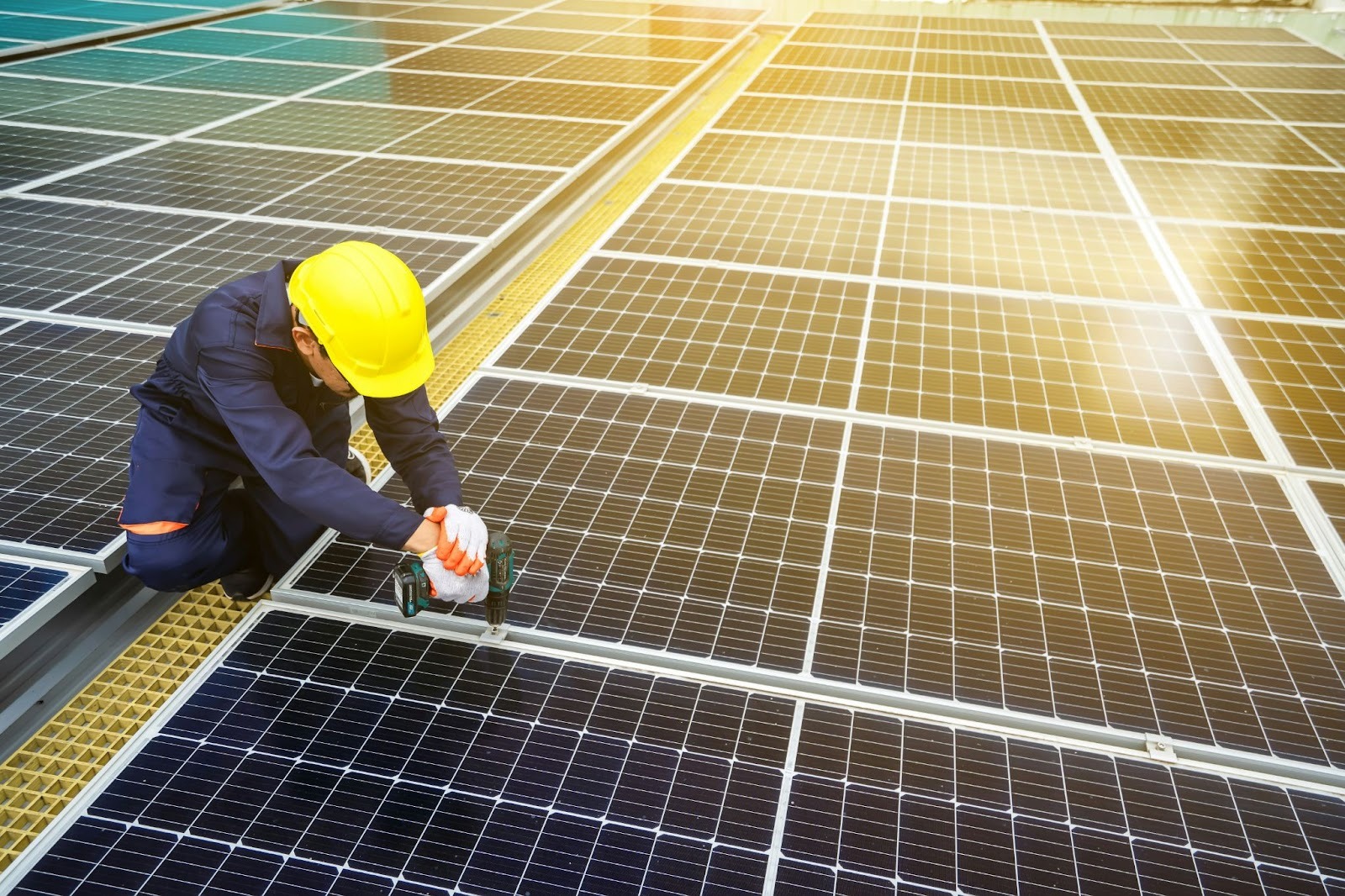
The energy sector needs workers right now. Companies are hiring for both traditional energy roles and new renewable positions. If you're looking for a stable career with good pay, energy jobs deserve your attention.
Pennsylvania sits at the center of this growth. The state produces natural gas and is adding more solar and wind projects each year. This means local opportunities are expanding for people who want to enter the field.
Let's look at the jobs that need filling and how you can land one.
Solar installers set up and maintain solar panel systems for homes, businesses, and public projects.
These technicians inspect, repair, and maintain wind turbines, often working at heights and traveling between sites.
Energy engineers design systems that improve efficiency, reduce waste, and support sustainability goals.
These professionals maintain the power lines that keep communities running.
Auditors inspect homes, offices, and factories to identify energy-saving opportunities.
You don't always need a four-year degree. Many energy jobs require a certificate or a two-year degree from a community college. These programs are not only less expensive but also help you get started faster.
Trade schools and companies often sponsor apprenticeships that let you earn while you learn. Pennsylvania has several community colleges with energy programs. Research what's available near you.
If you want an engineering role, you'll need that bachelor's degree. But even then, internships during college matter more than grades alone.
Employers want people who can do the work. Get your hands dirty before you apply for your dream job.
Internships teach you how the industry works. You'll make connections and discover what you truly enjoy doing. Some internships lead directly to job offers.
Apprenticeships combine work and learning. You earn a paycheck while you train. Electrical and power-line jobs often use this model.
If you're switching careers, highlight related skills. Electricians, HVAC techs, and construction workers already have valuable experience for energy roles.
Certifications prove you know your stuff. OSHA safety training is essential for almost every energy job. It shows you take workplace safety seriously.
For solar installers, NABCEP certification opens doors. For energy auditors, look into BPI or RESNET credentials. These aren't always required for entry-level work, but they help you stand out.
Research which certifications matter for your target job. Avoid wasting time on credentials that employers don't recognize.
The energy industry has its own job boards and networks. Don't just search general sites like Indeed.
Join industry associations. Attend local trade shows and conferences. These events let you meet hiring managers face-to-face.
Update your LinkedIn profile with energy-related keywords. Follow companies you want to work for. Engage with their posts to increase your visibility.
Look locally too. Pennsylvania has energy companies throughout the state. Some prefer hiring people who already live nearby.
The U.S. energy industry offers solid, future-ready careers for people with a range of skills and education levels. Whether you want to work outdoors installing solar panels or engineer large-scale sustainability systems, there’s a clear path forward.
With competitive pay, training opportunities, and long-term job security, now is the time to explore Pennsylvania’s growing energy workforce. Start by researching programs, earning certifications, and connecting with local employers. Your next opportunity might be closer than you think.
The energy transition isn’t just about technology; it’s about people ready to power the future.