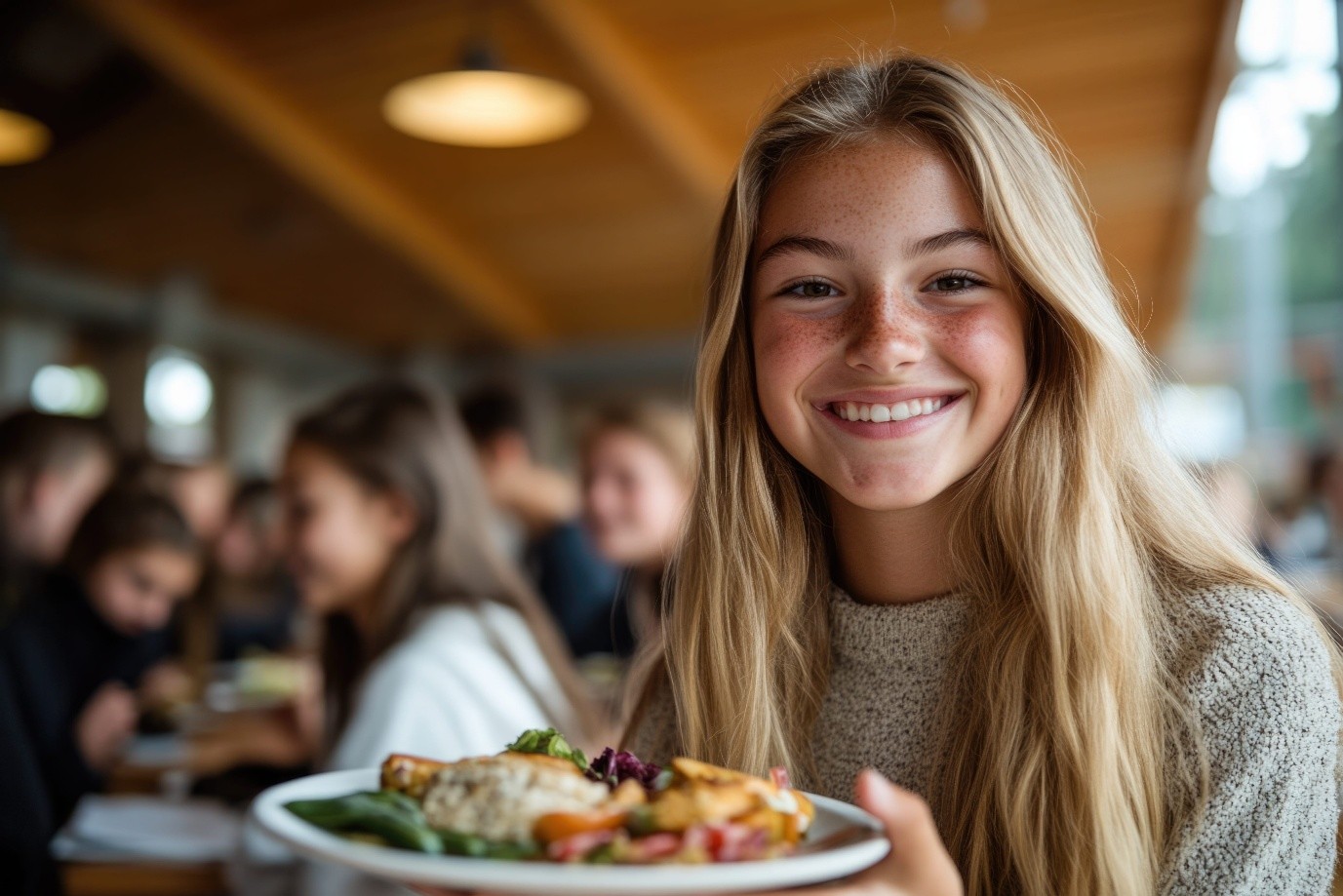
Children don’t grow on their own—they’re built meal by meal, habit by habit. From brain development to emotional regulation, nutrition plays a key role in shaping not just a child’s physical health but also how they learn, adapt, and thrive. For Brandi Voss of Franklin, a nurse with more than 20 years of hands-on experience, this idea isn’t theoretical—it’s something she’s witnessed in countless families, classrooms, and caregiving settings.
Over the years, she’s noticed a consistent thread: when kids eat better, they do better. It’s not just about food groups or portion sizes—it’s about how meals fuel energy, mood, and even confidence. While most conversations about child development zero in on academics or parenting approaches, Brandi Voss believes nutrition deserves a stronger voice in the mix.
Early childhood is a time of rapid change. Bodies are growing, brains are wiring, and immune systems are learning to defend. What children eat during this window sets the tone for years to come. Protein helps with muscle and tissue growth. Healthy fats feed brain development. Vitamins and minerals support everything from eyesight to sleep quality.
And yet, many kids aren’t getting what they need—not because their caregivers don’t care, but because modern life often gets in the way. Long hours, tight budgets, and endless processed options have made quick fixes the norm. Brandi Voss sees this not as a failure but as a sign that families need more practical, accessible tools—not more judgment. She sees food not just as fuel, but as an opportunity to teach, connect, and empower.
There’s a growing body of research that links nutrition to cognitive function, and Voss has seen those connections play out in real time. A sugary breakfast might get a child through the door, but it often leads to mid-morning crashes. By contrast, meals with balanced proteins and whole grains can help kids stay focused, steady, and ready to learn.
She encourages parents and educators to see meals and snacks as part of the learning day—not separate from it. What a child eats at home doesn’t stay at home; it shows up in the classroom, on the playground, and in how they respond to challenges.
Simple changes—like replacing juice with water or pairing fruit with nuts—can support better emotional regulation and concentration. It’s not about perfection. It’s about building consistency.
When kids understand where food comes from and how it affects their bodies, they start to make better choices without being told. Brandi Voss often shares ideas for turning everyday routines into opportunities for food learning—things like grocery shopping together, prepping simple meals, or even starting a windowsill herb garden.
It’s not about overwhelming parents with tasks. It’s about weaving food awareness into what families already do. When children grow up seeing meals as a place for learning and connection—not pressure—they build healthier relationships with food for life.
Of course, not every household has time to cook every night or the means to shop organic. Voss understands that. She’s worked with families across the spectrum and knows that small wins add up. A swapped snack here, a veggie added there—it’s all movement in the right direction.
And just as important as what’s on the plate is how it’s talked about. Shame around eating—whether directed at kids or picked up from adults—can linger for years. A more encouraging, flexible approach helps kids feel in control without fear or guilt.
For Brandi Voss of Franklin, nutrition isn’t just another box to check in child development—it’s a thread that runs through it all. Good food habits can support stronger immune systems, fewer school absences, calmer moods, and better academic outcomes.
She believes communities can do more to support families—not just with information, but with real resources and support systems that make healthy eating easier, not harder.
When children are nourished, they thrive. And when they thrive, the benefits ripple outward—into families, schools, and futures that are stronger, more resilient, and ready for whatever comes next.