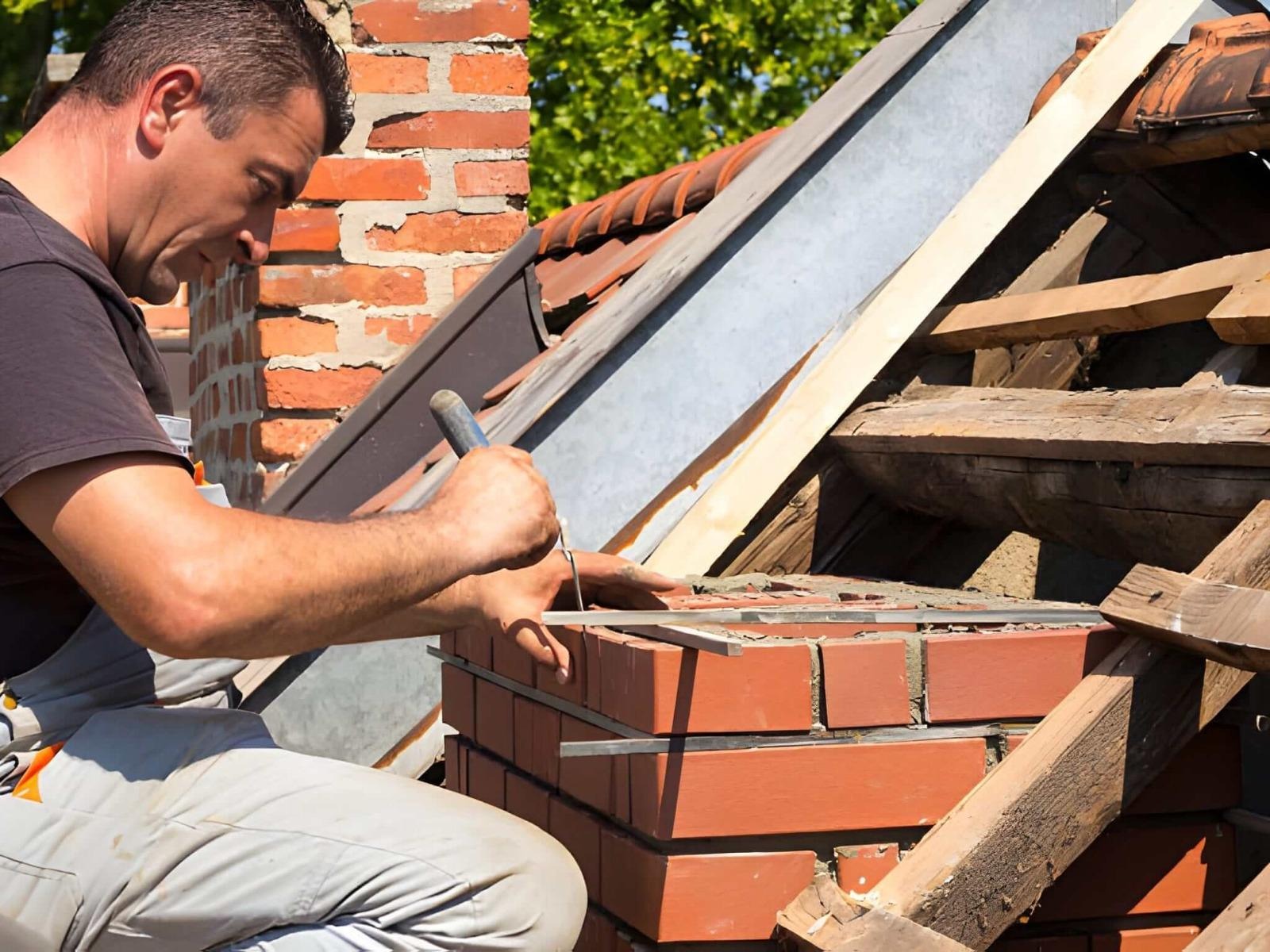
Building a chimney is more than just stacking bricks. It’s a delicate process of strength, airflow and fire safety. A homeowner’s long term costs and safety can be impacted by knowing the different types of chimneys and how they are built.
The National Fire Protection Association (NFPA) says there are almost 25,000 chimney related accidents in the US every year that cost millions of dollars in damage to homes and businesses. People say these accidents happen because of bad design, wrong installation or not taking care of things.
A well built chimney reduces the risk of carbon monoxide, stops smoke from building up and makes heating more efficient. It also protects the home’s structure by directing heat and gases away from the roof and walls.
The base of a chimney is what gives it strength. The footing, usually made of reinforced concrete, is placed below the frost line to prevent it from cracking when the ground moves with the seasons. If the footing moves the whole structure can lean or come loose from the house.
In professional chimney construction steel rebar is used to reinforce the footing and make it at least twice as wide as the chimney. This small part guarantees decades of support and prevents big repair costs later.
After the base is set, masons use high temperature mortar to lay down bricks or stones. Each layer must be lined up correctly. Even small misalignments can cause leaning or gaps that let water in.
The outside layer is regular bricks and the flue is premium fire bricks. The Home Builders Association says stone chimneys can last 50 to 100 years if taken care of properly.
The flue liner sends smoke, gases and heat out of the house. Clay tiles used to be the norm but now many modern homes use stainless steel liners because they are easy to clean and don’t rust.
The flue size must match the appliance it serves. If it’s too small smoke will build up. If it’s too big the air flow gets weaker and heating is less effective. For example Connecticut’s building codes require certain sizes and materials for liners to ensure drafts work safely.
A sloping concrete top called the chimney crown protects the stonework from rain and snow. A metal top adds another layer of protection against moisture, debris and animals. At the roofline flashing fills in the gap between the roofing and chimney materials. Improperly installed flashing is one of the most common causes of water leaks in buildings. Step and counter flashing is a two part flashing method that skilled masons use to make a seal that lasts and keeps water out.
There are different ways to build chimneys. Homeowners can choose from several options based on budget, style of home and heating system.
• Description: Concrete blocks, stones or bricks are used to build masonry chimneys. The flue liner is metal or clay.
• Pros: higher home value, longer life, better looks.
• Cons: expensive to build; large structures may need extra foundation support.
• With proper care can last 50 to 100 years.
• Description: Metal systems that are light and made for certain stoves or fireplaces.
• Pros: less weight on the structure, lower cost, faster installation.
• Cons: don't last as long (15–25 years) and can corrode or dent with time; with good maintenance, the average lifespan is 20 years.
• Description: Wood or gas stoves are frequently connected to stainless steel chimneys.
• Pros: resistant to corrosion, easy to install, works well with drafts.
• Cons: industrial look may not fit in with regular homes and may send more heat into the area around it.
• Lasts 25 to 30 years with high quality materials.
• Description: Combines the beauty of masonry with metal or prefabricated flue systems.
• Pros: cheaper, lighter, lasts longer than full masonry.
• Cons: custom work needs skilled installation and costs more in labor.
• Lifespan depends on material and can be 30 to 50 years.
HomeAdvisor says the average cost of a new brick chimney in the US is between $4,000 to $8,000. This depends on height, materials and complexity of design. Even though pre-made parts cost 40-60% less they often need to be replaced sooner.
Maintenance costs more than repairs. For example yearly cleanings and inspections cost $150 to $400 but fixing structural problems or relining a flue can cost more than $2,000. Regular maintenance keeps costs predictable and avoids safety risks.
When building a chimney you must follow local building and fire codes. For example the chimney must be at least two feet above any structure within ten feet and three feet above the roofline.
• Fire clearance: Keep things that can catch fire at least two inches away from the flue liner.
• Approved materials include code-rated liners, fire-resistant mortar and the right amount of reinforcing.
Meeting these standards not only ensures performance is safe but also ensures the rules for insurance and resale are followed.
A professionally built chimney makes sure all these technical details work together for safety and efficiency, from the size of the liner to the depth of the foundation. Experts know how airflow works, how to stop condensation and how masonry behaves in New England weather.
Homeowners all over Connecticut trust GMT Home Services to build and fix their chimneys because they are committed to accuracy, following the rules and getting results that last for years and protect homes.
For example, the Connecticut building code requires chimneys to be at least 3 feet above the roofline and 2 feet higher than any part of the building within 10 feet, so there’s a proper draft and clearance from combustibles. Meeting those specs isn’t just about passing inspection – it’s about peace of mind.
A well built chimney is a good investment in safety, comfort and peace of mind. Whether you like the modern look of metal systems or the classic look of masonry the key is to build and maintain them well. If you use the right materials, design and craftsmanship a chimney can protect your home and everyone in it for decades.