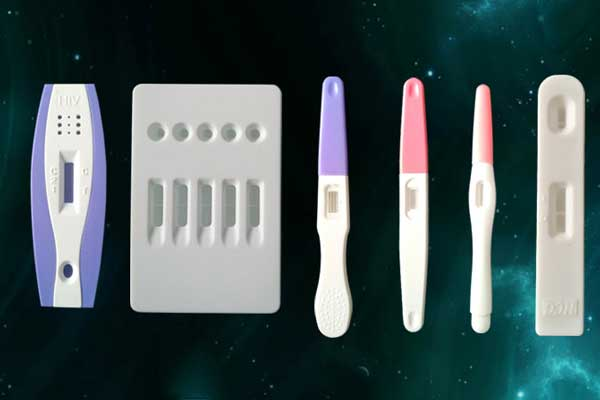
In the fast-paced world of diagnostics, laboratories rely heavily on efficient and reliable tools to deliver accurate results. One of the most essential tools in modern testing is the lateral flow assay cassette, which provides quick and easy detection for a wide range of applications. From medical testing to food safety, these cassettes have become an indispensable part of laboratory workflows. Choosing the right one can make a major difference in the quality and reliability of your testing outcomes. Understanding their design, features, and compatibility helps ensure you make the best decision for your specific needs.
Selecting the right lateral flow assay cassette requires more than just picking a brand. It’s about understanding your testing goals, sample types, and result accuracy expectations. With the right cassette, laboratories can achieve faster, more reliable, and cost-effective testing — which ultimately improves productivity and confidence in results.
A lateral flow assay cassette is a compact, user-friendly testing device designed to detect the presence or absence of a specific target substance in a sample. These devices use capillary action to move the sample across a membrane containing antibodies or reagents that react to form visible results. Common examples include pregnancy tests, COVID-19 antigen tests, and various drug screening tools. The design allows for fast, visual interpretation without the need for complex instruments.
Typically, the cassette contains a sample pad, conjugate pad, membrane strip, and absorbent pad, all enclosed within a protective plastic housing. This design ensures the test remains safe from contamination while delivering accurate and quick results. The versatility of lateral flow assay cassettes makes them ideal for clinical diagnostics, veterinary testing, environmental monitoring, and food safety inspections.
Not all lateral flow assay cassettes are made the same. The design, materials, and sensitivity levels vary across brands and applications. Selecting the wrong one can lead to unreliable results, poor reproducibility, and wasted resources. The right lateral flow assay cassette ensures consistency and high performance for every test you conduct. It directly impacts the accuracy of your laboratory’s diagnostic outcomes and the confidence in your results.
Different assays require different membrane types, sample volumes, and flow rates. A cassette that works well for one type of analyte may not perform effectively for another. Therefore, it’s essential to match the cassette’s technical specifications with your testing requirements. This helps reduce errors, ensures reliability, and minimizes the need for retesting.
When evaluating your options, focus on the features that matter most to your laboratory. The right combination of design, material quality, and compatibility will guarantee dependable results. Important features include:
Each of these factors contributes to performance efficiency. For example, a high-quality membrane ensures even sample migration, while clear result windows allow technicians to read outcomes quickly and confidently. The right lateral flow assay cassette will always balance precision with ease of use.
Laboratories can choose from several types of lateral flow assay cassettes depending on their intended application. The most common varieties include single-test, multi-test, and combination cassettes. Single-test cassettes focus on detecting one analyte, making them ideal for targeted testing. Multi-test versions, on the other hand, can detect several targets simultaneously, which saves time and resources.
Another type is the customized cassette, where laboratories can adjust dimensions, colors, and label designs to match their internal protocols or branding. These customized versions are particularly useful for research institutions developing their own diagnostic kits. Selecting the right type ensures that your testing workflow remains efficient and suitable for your unique laboratory environment.
When choosing a lateral flow assay cassette, consider your laboratory’s workload, testing frequency, and target analytes. Start by identifying what type of samples you handle most frequently and what level of accuracy is required. Some cassettes are optimized for human samples like blood or saliva, while others are designed for environmental or food samples.
It’s also important to assess compatibility with your reagents and buffers. Even a small mismatch can affect test performance. Lastly, consider the supplier’s reputation and product support. Working with trusted manufacturers who provide quality assurance and technical support ensures that you receive reliable cassettes that meet global standards for performance and safety.
A frequent mistake many laboratories make is choosing a lateral flow assay cassette based solely on price. While budget matters, the cheapest option often lacks precision or durability. A poor-quality cassette can lead to false results or inconsistent readings, which damages trust and wastes valuable resources.
Another mistake is neglecting to test sample compatibility before purchasing in bulk. Not every cassette works well with all sample types, so testing a few units before committing can prevent costly errors. By carefully evaluating all specifications and conducting preliminary tests, laboratories can avoid these pitfalls and maintain reliable diagnostic performance.
Choosing the right lateral flow assay cassette is an essential step toward maintaining accuracy and reliability in your laboratory’s diagnostic operations. From understanding cassette components to evaluating performance features, each decision you make influences the quality of your results. Always prioritize material quality, design integrity, and supplier credibility when selecting your products.
By investing in the right cassette, your laboratory ensures faster testing, improved efficiency, and dependable results that meet modern diagnostic demands. With the right choice, your lab can confidently deliver accurate outcomes, strengthen its reputation, and contribute to better scientific and medical advancements.