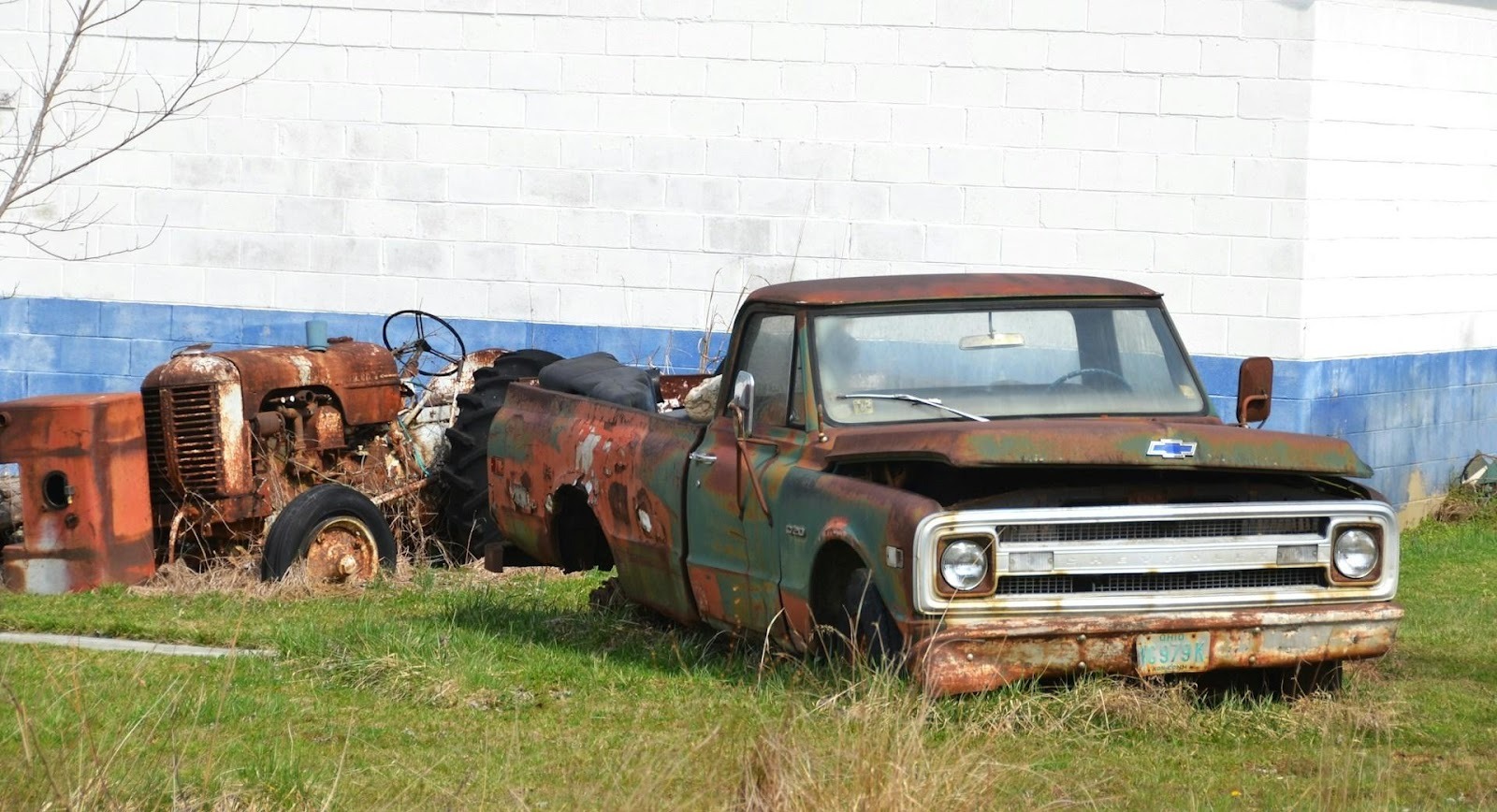
Owning a vehicle that no longer runs or costs more to repair than it is worth can drain both patience and savings. Many owners put off action because they assume removal takes weeks or because they hope a neighbor will take it off their hands. You can move from problem to payout quickly when you understand practical options and local resources, and one clear next step is to sell your junk car in Texas.
Selling directly to another person remains a familiar path that often brings the highest upside. You must prepare an honest listing, photograph the vehicle, and describe mechanical and cosmetic issues. In larger markets such as Houston or Dallas, you will find more prospective buyers, which can shorten the time the car sits unsold.
Private sales require documents and a clear title or a plan to transfer ownership if you lack it. You should meet potential buyers in safe public locations and be ready to negotiate. If the machine runs enough to drive to viewings, disclose that fact and be realistic about a suggested price.
Junkyard offers move quickly because these businesses value metal, parts, and salvageable components. Operators evaluate condition, model year, and local scrap steel and aluminum prices to formulate an immediate quote. Locations outside major metros sometimes pay less, but many yards still provide same-day pickup for vehicles that sit on residential lots.
Expect a lower payout than a private sale, yet enjoy a clear process: you accept an offer, sign over the title, and the yard arranges collection. If you live in a small city like Lufkin or Brenham, call multiple yards to compare bids. Quick removal reduces neighborhood complaints and eliminates ongoing storage or safety risks.
Professional buyers focused on junk autos provide the most turnkey service for owners who want speed and simplicity. These companies purchase vehicles regardless of mechanical state and manage every step so you avoid hassles. Typical benefits include:
Specialists concentrate on fast turnaround and convenience. They keep staff experienced with title transfers and lien releases, and they often operate statewide routes that stop in rural and urban neighborhoods. If you live in a suburb or a smaller town, they bring the same service level as in major centers.
A car becomes “junk” when repair expenses exceed its total market value or when safety and reliability are compromised. Not all junk cars look abandoned or destroyed; some appear decent but hide serious mechanical failures like seized engines or failed transmissions. Even newer models can reach junk status if replacement parts or electronic systems cost too much to fix.
Selling a junk car in Texas can take longer than waiting for a brisket to be ready, but at least a good buyer will show up on time. Local knowledge matters, so ask how often a service visits your area and whether they cover final paperwork in person.
Gather the title, maintenance records, and a release of liability form. Remove personal items and disable toll tags or parking passes. If you lack a title, contact the motor vehicle office for a replacement or ask the buyer if they accept alternative proof; some professional buyers handle title issues for you.
Don’t let months of complaints or continuing costs drain your budget and peace of mind. Choose the method that fits your timeline and your priorities. Negotiate with private buyers for a higher return, use a junkyard for fast pickup, or hire a specialized dealer for complete service, including towing and handling DMV paperwork. Start the process today to reclaim yard space and add money to your account.