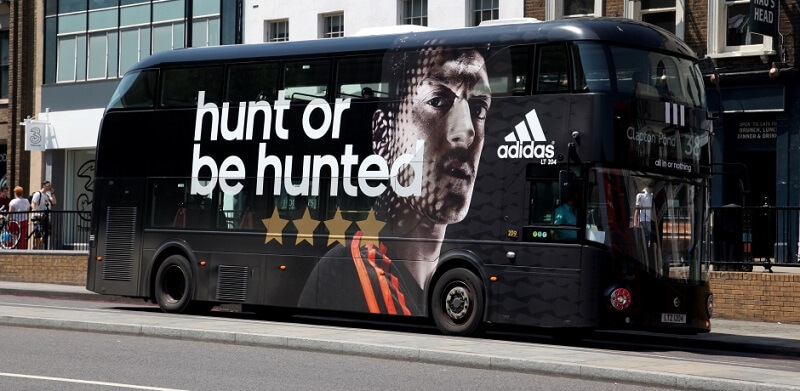
Transit advertising has in recent days become one of the most effective means of reaching on the move people in overcrowded cities. Conventional billboards tend to blend in with the noise of the city, yet transit advertising goes on the road with the commuters, and they can be noticed in transit. On buses, trains, or trams, these mobile displays ensure messages are synchronized throughout the routes in different cities. Specifically, bus advertising makes the businesses have a large and varied audience through the day, as people ride the buses every day.
City dwellers dedicate much of their time to commuting to work or shopping areas or entertainment areas. This renders transit advertising an effective tool to be able to blend well into their lifestyle. The beat of the daily commuting makes sure that there are several encounters with the identical ad and brand recall is enhanced. Bus advertising, as an example, can be used to make a common car a moving canvass that would resonate with people that live in the city. The understanding of commuter psychology assists marketers to provide the correct and catchy messages that are integrated into the urban life.
The triumph of transit advertising is determined by strategic route selection. The most visibility is achieved in high-traffic places like business districts, malls and entertainment centers. Nevertheless, there are other types of the nebula neighborhood or school roads that may provide a high level of engagement among particular audiences. Effective bus advertising requires that the positions should be synchronized with the lifestyle of the target market. When paths are based on customer behavior, brands can realise frequency and relevance and every dollar in advertising can be converted to actual outcomes.
In transit advertising, good design is a factor that will see an advertisement being noticed or being ignored. The amount of time commuters have to take in order to internalize a message is only several seconds, and therefore simplicity and clarity are paramount. The fonts and high contrast when doing advertising with the bus should be big and the visuals should be clear so that even when the bus is moving at high speed the advertising message can be read. The use of color schemes and narrative graphics makes them easier to remember. A well-designed advertisement creates an immediate impact when the ad is viewed, it becomes part of a long-term memory despite the passing of the vehicle.
The success of transit advertising is the choice of routes. The most visible locations would be hot spots like business districts, malls and entertainment centers. Nevertheless, specific target audiences can also be very engaged with the niche neighborhoods or school routes. Effective bus advertisements require the integration of the ad placements and the lifestyle of the target demography. In situations where routes reflect customer behavior, brands are frequency and relevance guaranteed, that is, every advertising dollar will turn into real outcomes.
In transit advertising, design is a matter of success or failure of an advert. Commuters can only reflect on a message in a matter of seconds and simplicity and clarity is the key. Bus advertising involves use of huge fonts, high contrast and clear images that can be read even in high velocity. Memorability is boosted through eye catching color schemes and graphics as a storyteller. An excellent design would mean that the ad will convey immediately- making one glance sufficient to create an impression, even with the passing of the vehicle.
The price of transit advertising will vary based on the sizes of cities covered, type of ad, and the duration of the campaign. The bus advertising provides one of the best cost to reach ratios among all the outdoor options. Digital analytics, promo offers and QR codes are some of the tools that marketers can use to gauge the level of engagement and success. Data-based insights assist brands to assess exposure, recalling and conversion levels. A moderate solution between the budget, reach, and creativity will guarantee a long-term sustainability and quantifiable performance of transit campaigns.
Transit advertising must be combined with online marketing strategy in order to achieve the best outcomes. Physical advertisements should be combined with digital interaction by adding QR codes, hashtags, or offers that are friendly on phones. Bus advertising campaigns may stimulate interactions in social media- passengers usually take pictures of unusual bus design and post them on the Internet raising awareness. This combination of physical appearance and Internet analytics intensifies customer engagement, which gives a brand real-time feedback and quantifiable engagement outside the streets.
Transit advertising has helped a number of popular brands increase their awareness and customer traffic. Local retailers have also taken the initiative of attracting attention to the local stores through novel wraps on buses. Technology startups have made subway screens an app promotion platform, whereas international brands have made use of takeovers of train stations in launching their products. These are only examples of how transit campaigns can be adjusted to any industry and it is these that demonstrate that the visibility on public transport directly correlates to the development of consumer relations and sales.
Effective transit advertising must be about innovation. Successful campaigns incorporate humor, narrative and cultural relatability to be memorable. Bus advertising may contain seasonal themes or any interactive programming that entices the audience. Commuters will be entertained and involve motion graphics or real-time messages. It is aimed to make the ad part of the visual image of the city, something that is seen immediately by the passengers and remembered even after exiting the vehicle or the station.
The future of transit advertising is in technology, sustainability and personalization. Camps will be even more targeted with the use of smart sensors, eco-friendly materials, and AI-driven targeting. Digital wrap and solar power screens will make bus advertising greener and provide efficient energy-saving ways to brand. With the growth of cities, and changes to commuting, transit media will keep connecting the physical and the digital—to provide mobile, measurable, and interactive marketing experiences.
Transit advertising keeps on transforming the way brands are reaching urban viewers. Through innovation, information analytics, and careful location, companies can transform any street in the city into a narrative. The bus advertising is a leader as it is affordable, frequent, and covers a wide range. Transit media keeps brands in the minds of the audience in the fast-paced rhythm of the urban lifestyle, making them memorable and constantly on the move. The concept of mobility is opportunity to the contemporary marketer.
What is transit advertising?
Transit advertising refers to advertising on a vehicle, or space, which carries mass transit. It is strategically positioned on buses, subways, and stations which are used by the daily commuters to get their destinations.
What is the difference between bus advertising and other outdoor advertisements?
Bus advertisements cut across different places every day, and they offer dynamic exposure, unlike billboards that are in one location.
Is transit advertising cost effective?
Yes. It is highly noticeable at a low rate compared to TV or print advertisements, thus can be applied by a brand that has a small budget.
What can be used as some of the measures of the success of a transit ad campaign?
As a metric, surveys, web traffic statistics, social media mentions, or location-based apps information can be used.
Why is transit the best option to advertise the urban brands?
That renders it highly mobile and has a wide coverage; brands do not cease to be visible to diverse audiences in the city, as they continue with their daily undertakings.