Pennsylvania's new hands-free driving law is shifting how drivers use technology behind the wheel. Here is information that motorists need to be safe, escape tickets and grasp the bigger picture of this unprecedented rule.
Effective June 5, 2025, Pennsylvanias Distracted Driving Law, also called Paul Miller's Law, is a giant leap toward road safety. It prohibits the use of hand-held devices when driving and the law is precise when defining what constitutes a violation. For both new and experienced drivers, understanding these regulations is key to avoiding penalties and protecting everyone on the road.
Pennsylvania Distracted Driving Law was enacted to stop the increasing number of accidents due to driver inattention. It is named after Paul Miller, who was killed by a distracted motorist and is a paradigm shift in the way Pennsylvania addresses road safety.
Under the Pennsylvania distracted driving law, the term “interactive mobile devices” is comprehensively defined, encompassing smartphones, tablets and even handheld personal computers used for texting, calling, gaming, or browsing.
Beginning June 5, 2025, motorists cannot use handheld devices when driving. This prohibits holding a phone, making multiple button presses to dial, or even reaching for a device, which takes the motorist out of the sitting position. Note that the term “driving” also encompasses the times when the automobile is stopped at a light or trapped in traffic, so that one-tap text message at the stoplight is a no-go.
For those wondering how long the consequences of a violation might last, it’s helpful to remember that laws about driver records vary and factors like how long does an accident stay on your record can depend on the severity of the incident and the driver’s history. Although the new legislation starts off issuing warnings, repeated offenses could have lasting effects on your driving record as well as on your insurance.
Implementation of the PA distracted driving law is followed by an education phase aimed at making motorists' adjustment easier. During the initial twelve months following June 2025, offending motorists will be issued written warnings, not actual fines. The probationary time is clear in highlighting awareness and adjustment over swift punishment.
However, by June 5, 2026, the stakes rise significantly. Using a handheld device will become a summary offense, carrying a $50 fine plus court costs and additional fees. While that may seem minor, the law’s intent is clear: distracted driving is no longer a secondary concern but a primary offense. Police officers can now pull drivers over solely for holding a phone.
In the more serious instances, when a distracted motorist is responsible for a fatal accident, such a person can receive as much as five additional years in jail for vehicular homicide. This illustrates how seriously the Pennsylvania legislators consider the danger posed by distracted driving.
Most motorists presume “use” entails active texting or chatting but the definition under the law is far greater. In Pennsylvanias Distracted Driving Law, any physical act that demands one hand to grasp or handle a device is considered a “use.” It encompasses navigating through playlists, taking a snapshot, or browsing through social sites.
Even holding your phone in your lap or holding it with another body part is considered a violation if you use it. Drivers must be entirely focused and have two hands available for control of the vehicle.
There is also the practical aspect. By minimizing temptation and mandating true hands-free use, the law induces better driving practices in the long run. Most new cars already have integrated Bluetooth technology and voice-command capability that make the process easy. Such advancements enable the connection without any impairment to safety.
Of course, not all cases are black and white. The PA distracted driving law is significant in allowing exceptions in emergencies. If you need to contact police, emergency medical services, or firefighters to prevent damage to property, the use of a handheld unit is allowed.
In the same respect, motorists can utilize their handsets when they have properly stopped on the hard shoulder and left the vehicle safely off the road. You can also utilize integrated, hands-free units like dashboard displays or integrated buttons. This keeps motorists from being penalized for the responsible use of technology.
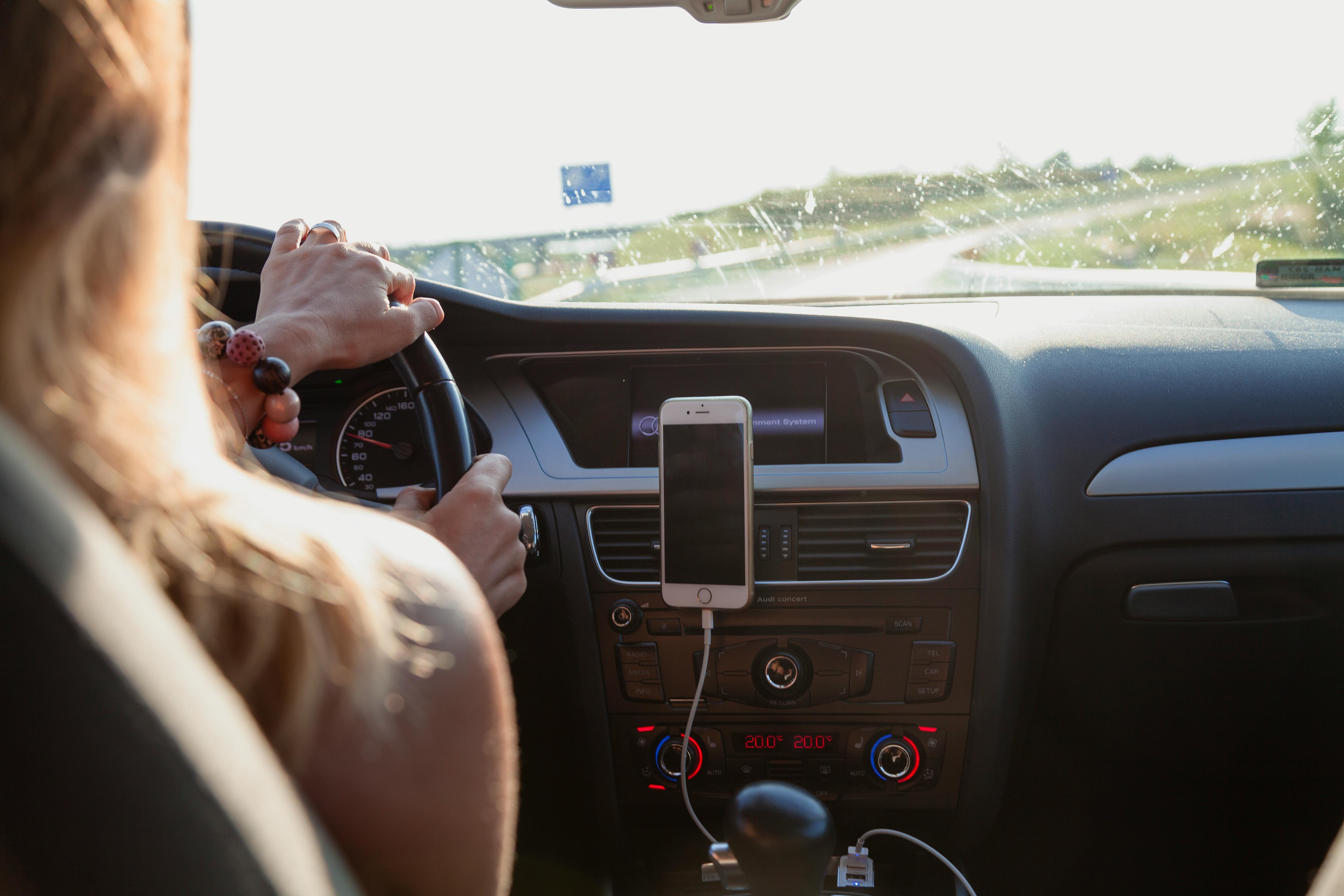
Hands-free need not be bothersome. Technologies such as voice-activated assistants, dashboard mounts and steering-wheel controls are standard and can be found on the affordable side.
By making use of contemporary car features, motorists can remain busy on the go without sacrificing safety.
Pennsylvania's new legislation is not merely about compliance, but about altering the better habit through clear definitions, reasonable penalties and an education focus. In doing that, the legislation enables motorists to control their habits. By learning about Pennsylvania's Distracted Driving Law and adopting hands-free technology, the driving public can make the roads safer for all.
It is a process that will take time, but the payoffs down the road, reduced crashes, lowered insurance premiums and lives saved, make it well worth the effort. Safe driving starts with being aware. And with the Pennsylvania distracted driving law finally taking the lead, the message is clear: your attention is your safest defense.