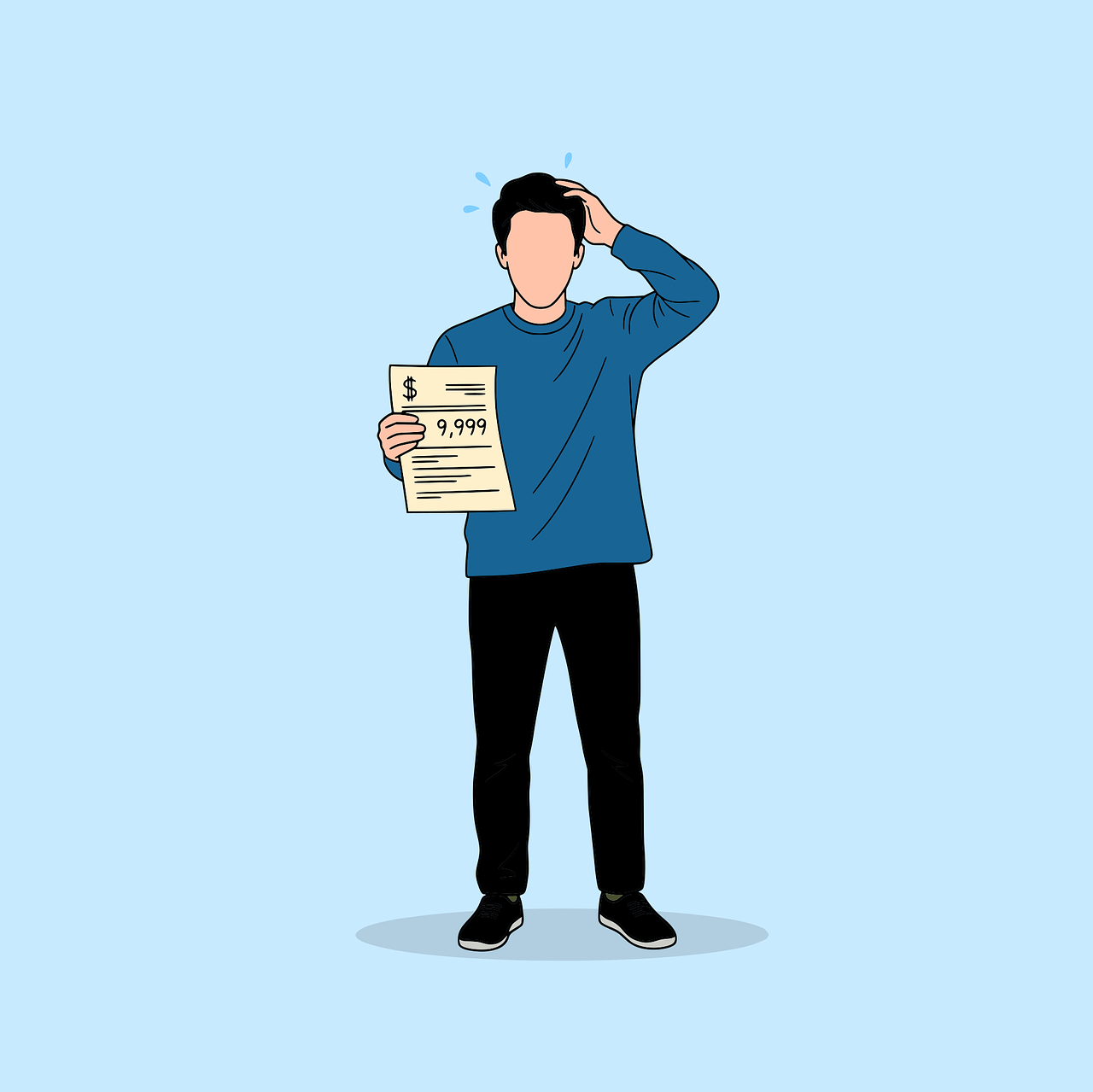
It can be crushing to have debt that feels insurmountable, where monthly payments barely budge the interest. Which is where a regimented debt payment plan comes in. With the right plan in place, we can eliminate financial stress, avoid making late payments, and achieve financial freedom sooner. And a plan is a blueprint, keeping us consistent as we trim out unnecessary costs.
And yet, developing a repayment plan not only helps ensure financial discipline; it also limits the total interest paid over the life of a loan, according to a Fidelity study. For most people, however, there is no game plan from which to work, and debt can persist for years, even decades longer than it has any right to be.
A debt payment plan outlines how to prioritize and pay off debts step by step. It typically includes:
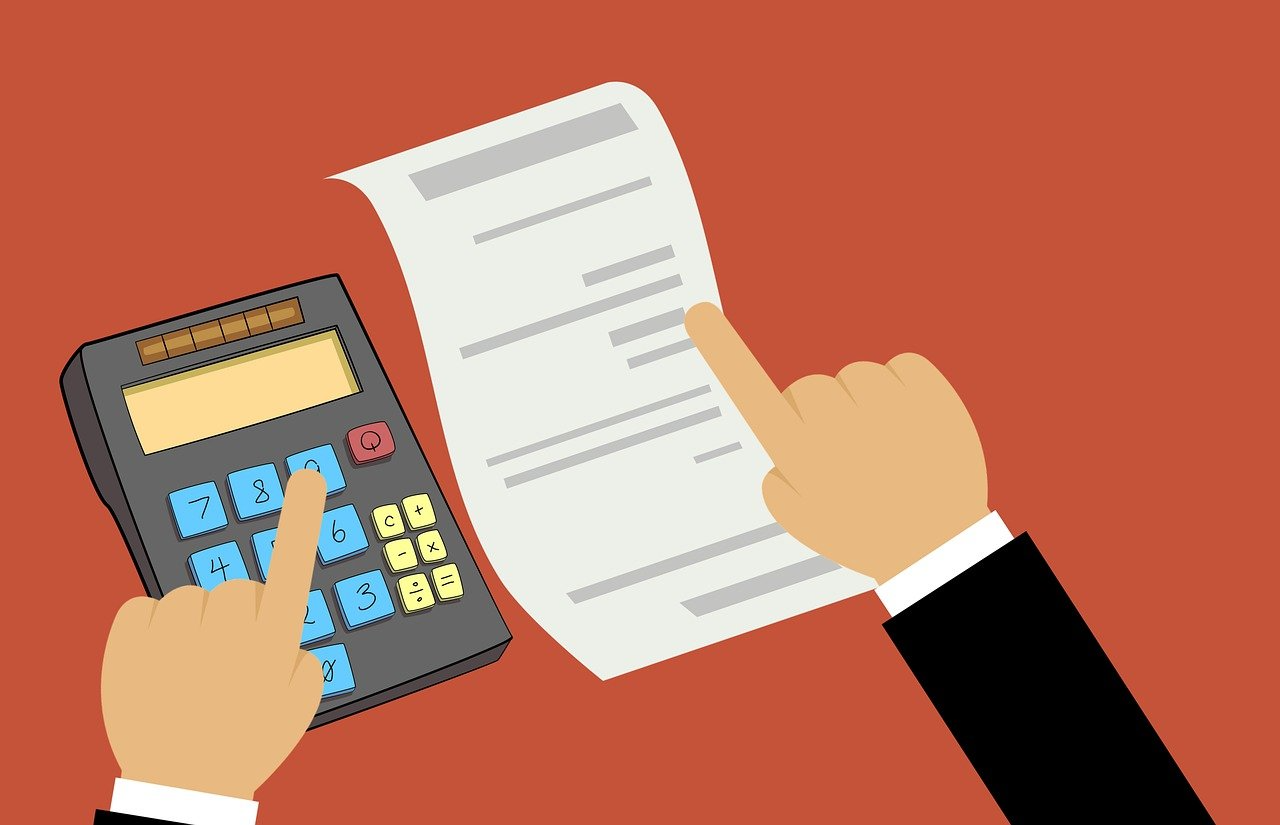
This approach transforms debt from an overwhelming burden into a manageable goal. Tools like calculators make it easier to visualize progress, which keeps motivation high.
Not every repayment method works for everyone. Choosing the right budget approach depends on priorities, financial habits, and psychological motivation.
This method focuses on paying the smallest debt first. Once cleared, the freed-up funds go toward the next debt. The emotional win of quick progress keeps momentum strong.
This method targets debts with the highest interest rate first. While it requires more patience, it’s usually the cheapest way to pay off debt because it minimizes interest costs.
Some people combine both methods. They start with a small balance for motivation, then shift to higher-interest debts. A hybrid can be particularly effective when discipline and savings both matter.
Absolutely. Experts agree that a repayment plan helps build structure, reduce stress, and avoid costly mistakes. Without a plan, many borrowers end up paying more in interest and taking longer to become debt-free.
A CNBC Select guide highlights that debt planning also improves credit scores because consistent payments demonstrate financial reliability. Beyond numbers, it offers peace of mind and a better mood.
Tools To Simplify Debt Repayment
Technology makes debt management easier than ever. We can use apps and calculators to track payments and measure progress. Examples include:
By pairing discipline with the right tools, repayment becomes less stressful and more efficient.
The avalanche method — which pays off your highest-interest balances first—is typically the best way to save (and therefore cost the least). So the cheapest strategy also assumes avoiding new debt, negotiating down interest rates, and consolidating balances where possible.
Bank of America Better Money Habits reports that eliminating credit card usage and lowering spending while applying savings to principal payments can significantly shorten the time it takes to repay. This will give you the highest possible savings by combining this process with a course of action.
We don’t have to let debt dictate how we live. With a debt-free plan and sound discipline, financial freedom is possible. For whatever snowball, avalanche or hybrid method you choose to do, the main thing is commitment and planning.
What do you think? Should you consider a debt repayment plan? Let us know what you think or if you have any questions about your own personal saga down in the comments below – we’d be more than happy to hear how everyone else is pursuing freedom from their debts.