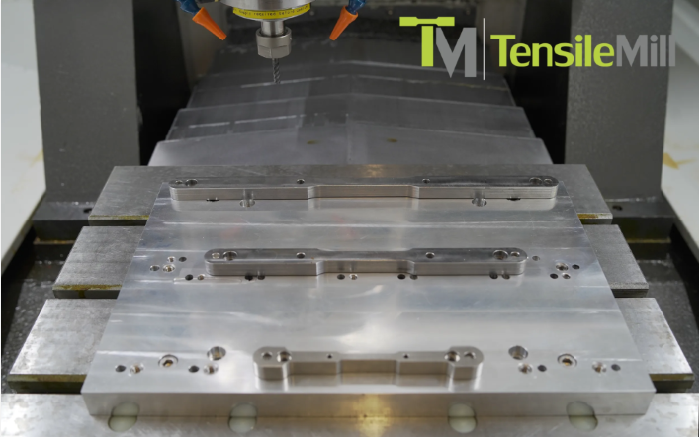
Preparing flat specimens for tensile testing is often treated as routine. Yet the quality of this stage shapes the accuracy of every test that follows. Even the most advanced universal testing machine cannot deliver reliable data if the specimen itself was cut or machined poorly.
Many laboratories still rely on manual preparation or external contractors. Both approaches carry hidden costs. Outsourcing is expensive and slow, while manual work introduces human error and lacks repeatability. For organizations that process large volumes of samples, these shortcomings translate into lost time, higher expenses, and uncertain results.
At first glance, outsourcing specimen preparation seems convenient. Specialized workshops advertise precise machining, and laboratories avoid the cost of in-house systems. Yet the true price of outsourcing quickly becomes visible. Fees for a single flat tensile specimen often reach between 150 and 300 dollars. Once packaging, shipping, and waiting times are added, the expense grows even higher.
For laboratories handling steady workloads, the numbers escalate fast. A facility preparing 200 specimens annually can spend 40,000 dollars or more just on machining fees. That cost repeats every year, regardless of budget constraints. Smaller research labs feel the strain, while industrial operations see these charges scale into six-figure totals when testing runs into the thousands. What begins as a service cost turns into a continuous drain on resources.
Outsourcing also removes direct control. Laboratories must fit their schedules around external providers. Delays in machining or unexpected backlogs push back projects, disrupt timelines, and stall production. In sectors such as automotive or aerospace, where deadlines are tied to regulatory approvals, such delays are costly.
Transport adds more complications. Specimens shipped off-site can arrive damaged, mislabeled, or lost. Even minor scratches or bends can invalidate a test, forcing laboratories to restart the entire process. Re-cutting and shipping a new batch means more fees, more consumables, and more wasted time. Each setback not only drains money but also undermines confidence in the results.
In competitive industries, where accuracy and speed define reputation, outsourcing becomes risky. Laboratories lose flexibility, pay rising fees, and face disruptions outside their control. Over time, the supposed savings of avoiding in-house flat specimen preparation equipment dissolve into higher expenses and weaker performance.
Bringing specimen preparation in-house with modern CNC machines addresses these problems directly. Flat specimen CNC systems provide accurate, repeatable machining without the recurring expense of outsourcing. Once installed, these machines produce specimens at a fraction of the external cost, making them particularly valuable for laboratories with steady or high workloads.
Time savings are equally significant. A process that once required days with third-party workshops can now be completed in minutes. Tensile sample preparation machines automate cutting, grinding, and shaping, delivering specimens that meet ASTM and ISO requirements without extended training. Operators no longer depend on specialist machinists. Automated controls allow staff with limited machining experience to prepare samples that meet strict tolerances.
Equipment for flat specimen machining is available in different formats, matching varied laboratory needs. Compact “Mini” systems serve research centers or universities with limited specimen counts. Standard “Classic” machines provide a balance of throughput and precision for medium-sized laboratories. Large “XL” systems handle heavy workloads, larger sample sizes, and continuous testing in industrial environments. Each format operates under the same principle: reliable preparation, reduced cycle time, and compliance with international standards.
The benefits extend beyond cost and time. In-house preparation restores control over schedules. Laboratories no longer wait for external providers or face shipping risks. Projects advance without interruptions, and urgent tests can be performed immediately. The reduction in repeat work and consumable waste further improves efficiency.
Tensile testing is tightly regulated. Standards such as ASTM E8 and ISO 6892 define not only specimen dimensions but also the tolerances allowed during preparation. If a laboratory fails to meet these rules, results lose validity. Reports may be rejected by auditors, regulators, or clients, undermining both the project and the institution behind it.
Flat specimen CNC systems help prevent such outcomes. These machines prepare samples within narrow tolerances, producing pieces that are uniform and compliant. By maintaining dimensional accuracy, they provide a foundation for tests that reflect the actual properties of the material. This consistency builds trust in the data and allows results to be compared across laboratories and over time.
Compliance, however, extends beyond numbers. Laboratories and manufacturers operate under constant scrutiny from customers, certification bodies, and regulators. When tensile specimen preparation machines deliver precise specimens, laboratories can defend their results in audits, peer reviews, and inspections. The ability to point to standardized preparation equipment strengthens the credibility of both the findings and the organization.
Reputation is another dimension of confidence. A laboratory that consistently produces specimens meeting recognized standards earns trust from clients and partners. For manufacturers, this translates into smoother supply chains, fewer disputes, and reduced risk of product recalls. Each accurate specimen becomes a step toward long-term reliability and professional credibility.
Equipment for flat sample machining also reduces risks associated with poor preparation. Faulty specimens can trigger disputes, rejected batches, or even safety recalls. In industries such as aerospace, automotive, or construction, these setbacks carry significant financial and reputational costs. When preparation is handled with dependable flat specimen preparation equipment, the margin of error narrows, and the chance of failure decreases.
The shift from outsourcing or manual preparation to modern flat specimen preparation equipment is more than a cost decision. It is a strategic choice that places control of quality, timing, and reliability in the hands of the laboratory itself.
Upfront investment yields long-term benefits. Laboratories reduce expenses, shorten preparation cycles, and deliver data that clients and regulators can trust. For production facilities, the change strengthens internal quality control and lowers the risk of costly failures.
In practice, laboratories that adopt flat specimen CNC systems gain more than efficiency. They secure independence, credibility, and a stronger position in competitive markets. What begins as an equipment purchase becomes a lasting advantage in both research and industry.