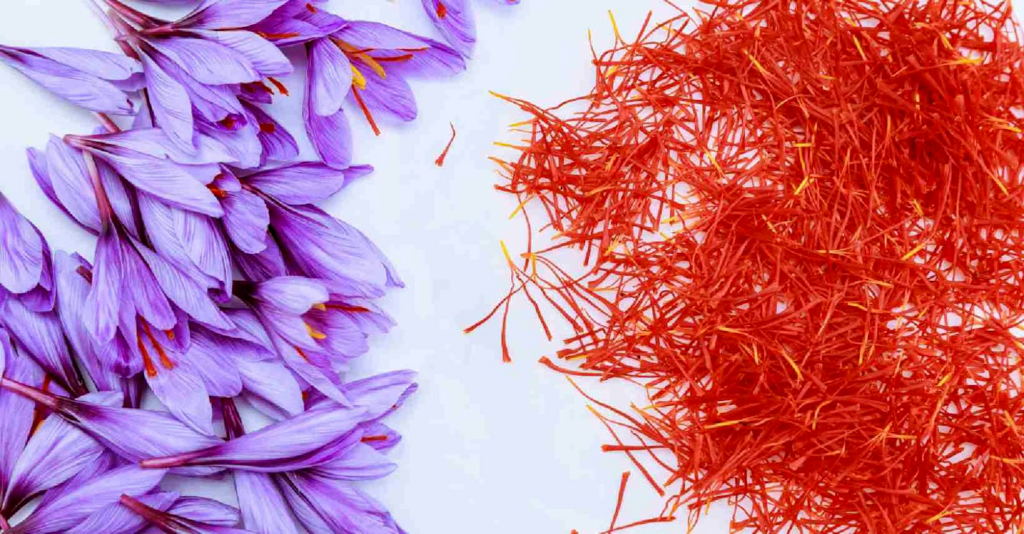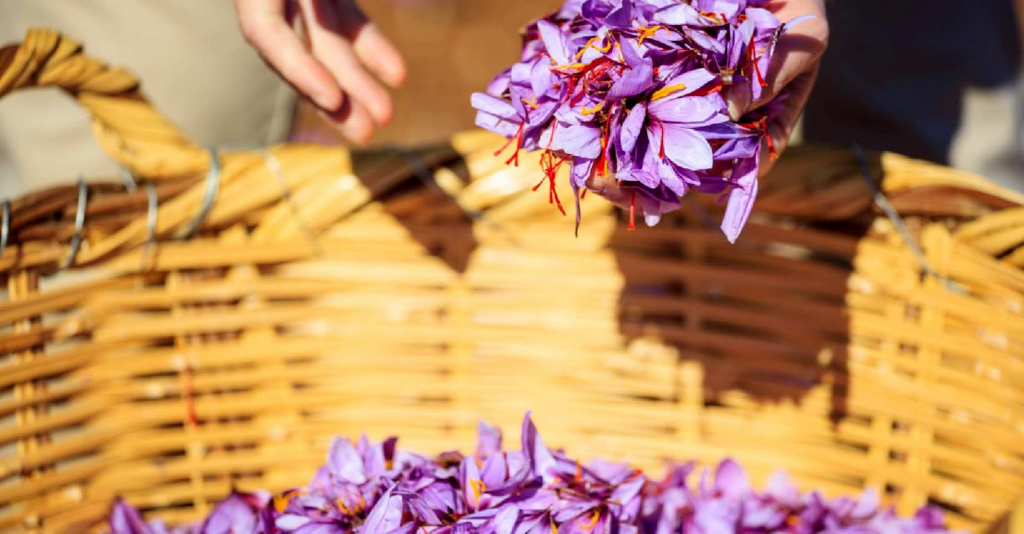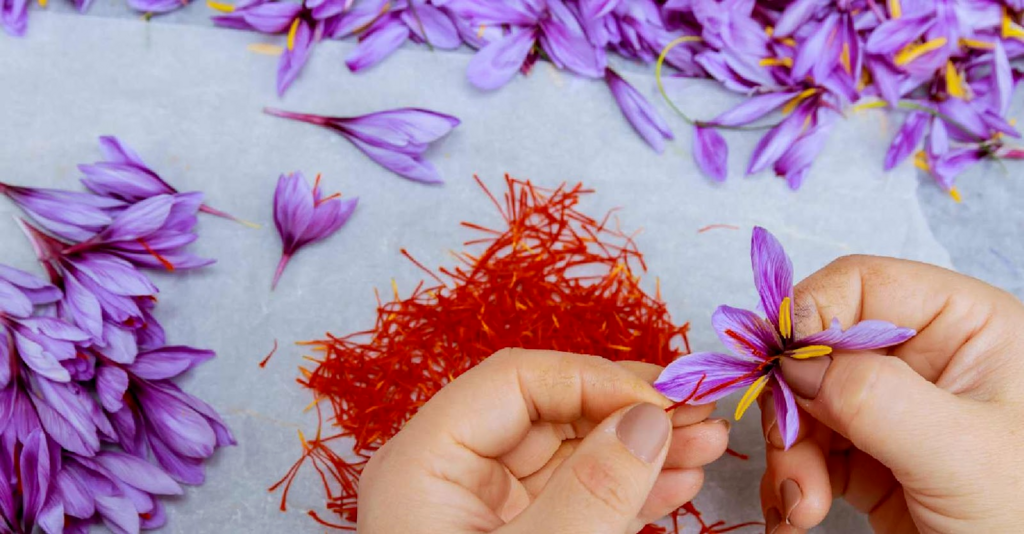
Saffron is often called the red gold of spices, prized for its deep aroma and vibrant color. Across different countries, quality can vary, and only a few names truly stand out on a global scale. In this article, we’ll look at the best saffron in the world, explore where it comes from, and even touch on some of the best saffron brands in the world that have earned international recognition.
Saffron cultures are found prolifically in numerous locations, each with a story, taste, and quality that is distinct in regard to each type. Here we discuss the top 10 types of saffron known around the world.
When people talk about the best saffron, they always mention Persian saffron. It mainly grows in the Khorasan region of Iran and is known for its deep red threads, strong smell, and high crocin content that gives it a rich color. It is called the world's best saffron and is often the first choice for chefs and health-minded buyers. If you’re looking to experience its authenticity, you can easily buy saffron from trusted online stores.
Spain has a centuries-long relationship with saffron, particularly in La Mancha. Spanish saffron happens to be slightly less intense than Persian saffron, with a gentle honey-like aroma and vivid golden hue. It is commonly found in paella and other Spanish cuisine items.
Kashmiri saffron has a dark maroon-purple color. It's a scarce and expensive type. It grows in the cold climatic condition found in the Kashmir Valley. It has a strong pungent scent as well as a powerful taste, making it one of the highest-priced types of saffron.
Afghanistan is now leading in producing saffron. Afghan saffron is recognized for being chemical-free as well as being hand-picked. It has earned numerous overseas awards for its quality as it challenges Persian saffron for purity as well as fragrance.
The Kozani saffron in Greece has a distinguishing mark known as PDO ( Protected Designation of Origin). It has a slightly earthy taste as well as a warm herb fragrance. It's widely used in Mediterranean cuisine and herb tea.
Saffron from the Taliouine area of Morocco is bright and has a strong smell. It is known as one of the best saffron types in Africa and is often used in traditional Moroccan tagines and herbal medicines.
Italy, especially in the Abruzzo and Sardinia areas, makes high-quality saffron. Italian saffron is valued for its balanced taste—it's not too strong or too weak—so it is popular in risottos and fancy desserts.
Azerbaijan makes saffron domestically known as "Nabran saffron." Its strands are longer and thicker with a specific flower scent. It is less famous as a sale product than Persian saffron; however, locals regard it as valuable.
These saffrons originate in Tasmania's cool weather in Australia. It's a recent addition on the market but is increasing in popularity. It has a clean, pure flavor with a natural sweetness that distinguishes it.
France, particularly the Gâtinais region, has a traditional history with saffron. French saffron is scarce as well as superior quality, frequently referred to as enjoying a good balance of aroma versus flavor.
Not all the strands of saffron that you discover in the market contain the "world's best." Superior quality saffron has several distinguishing features that determine its scent, flavor, as well as purity. Break them down below.
The first thing you notice about premium saffron is its strong smell—it is warm, earthy, and a little sweet. Good saffron should quickly fill the air with its aroma.
The coloring power of saffron is attributed to crocin. The redder the color of the saffron, the more crocin it will have. Quality-grade saffron, like Persian quality-grade saffron, will normally contain a crocin reading over 250 that will cause dishes to be a brilliant golden color.
The good quality saffron will be rich with a slightly bitter but floral flavour that will linger. It will complement dishes without overpowering them.
Saffron produced in conventional locations such as Kashmir, Spain, and Iran tends to possess the optimal blend of aroma, flavor, as well as color due to farming principles practiced over generations.
The highest quality saffron is 100% pure with no dyes, fillers, or artificial threads added in. Real saffron is always manually gathered so that only the highest quality red stigmas can be chosen.
Saffron is not only a spice; it belongs to a culture that has been passed on for many years. Various countries have unique types, yet Persian saffron is referred to as the finest in the world due to its highest purity, taste, and vibrant color. Whether you're a chef looking to enhance your meals or an individual who enjoys natural remedies, selecting the finest saffron counts a lot.
1. Why Persian Saffron is Still the Best
Persian saffron will always be the finest in aroma, color, strength, and quality. Iran produces the highest amount of saffron in the global market as well, ensuring that each strand is genuine and classical.
2. Which brand offers the best saffron quality?
The finest saffron brands are ISO-certified, lab-tested, and directly sourced from farmers. Golden Saffron fulfills every requirement and offers 100% pure, quality-grade saffron that you can rely on.
3. How much does the best saffron in the world cost?
Saffron can vary anywhere between $7 and $30 per gram, depending on the quality. Kashmiri as well as Persian types will be more expensive since they are popular as well as a higher quality.
4. Where can I buy authentic Persian saffron online?
You can purchase genuine Persian saffron at reputable stores, but Golden Saffron stands out because they contain lab-tested, Grade 1 Super Negin saffron that happens to be Non-GMO certified and sent fresh off the farm.