
Meta title
Meta description
Are your cooling towers in Thailand performing optimally, or are they struggling against the challenges of a hot and humid environment? In Southeast Asia, industrial cooling systems face immense pressure.
The region's high temperatures and persistent humidity create a demanding operational landscape, often leading to performance issues, increased costs, and unexpected downtime. For facility managers, navigating these conditions requires more than routine maintenance; it demands a strategic, informed approach.
This guide provides actionable solutions to address the five most common Cooling Tower Challenges faced across the country.
By understanding these challenges and implementing proactive strategies, we can ensure our cooling towers operate at peak performance, extend their lifespan, and protect our company’s bottom line.
1. Introduction
2. Challenge 1: The Fight Against Biofouling and Algae
3. Challenge 2: Combating Scaling and Corrosion
4. Challenge 3: Ensuring Energy Efficiency in a High-Energy Environment
5. Challenge 4: The Strategic Importance of Professional Repairs
6. Challenge 5: Managing Water Consumption and Regulatory Compliance
7. Conclusion
8. FAQs
Thailand's climate, characterized by high humidity and warm water, provides an ideal breeding ground for microorganisms. How can you prevent this from compromising your cooling system? Without proper management, algae, slime, and harmful bacteria like Legionella can thrive.
This biological growth, known as biofouling, severely impacts cooling tower performance. It reduces heat transfer efficiency by coating critical surfaces, clogging fill media, and restricting water flow.
What steps can you take to control biological growth effectively?
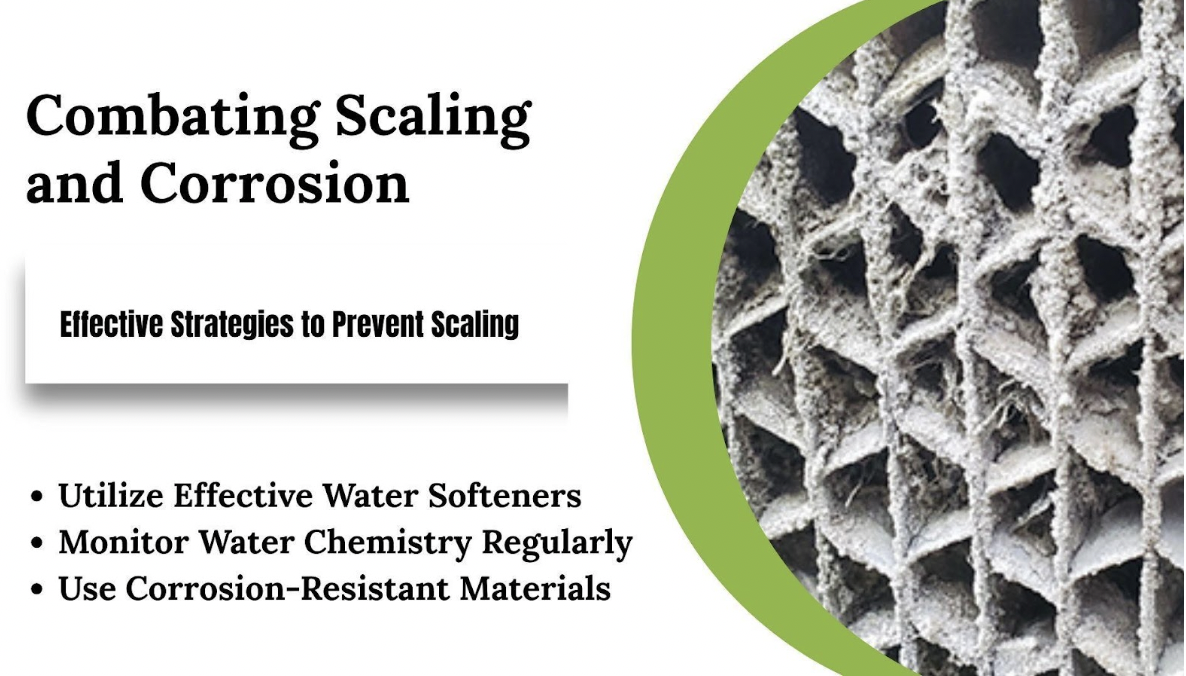
One of the significant cooling tower challenges stems from the high concentration of minerals in Thailand's water sources. As water evaporates during the cooling process, these minerals are left behind, forming hard deposits known as scale.
How does this impact your equipment? Simultaneously, improper water chemistry can lead to corrosion, which eats away at the metal components of your tower.
Scaling is a major cause of inefficiency. It acts as an insulator on heat transfer surfaces, forcing your system to work harder and consume more energy to achieve the same cooling effect.
Corrosion, on the other hand, weakens the tower's structural integrity, leading to leaks, costly repairs, and a shortened operational lifespan.
What are the most effective strategies to prevent scaling and corrosion?
Cooling towers are significant energy consumers in any industrial facility. In a high-temperature environment like Thailand, inefficient or poorly maintained systems can drive operational costs to unsustainable levels. Are you aware of how much energy your cooling tower might be wasting?
When issues like scaling, biofouling, and poor water distribution are present, the entire cooling system is forced to work harder.
Fans and pumps must run longer and at higher speeds to compensate for the reduced heat transfer efficiency, leading to a direct increase in your electricity bills.
How can you boost your cooling tower’s energy efficiency?
Modern cooling tower technologies offer significant energy savings. Installing variable frequency drives (VFDs) on fan motors allows them to adjust their speed based on the real-time cooling load, reducing energy use during periods of lower demand.
Ensure that water is distributed evenly over the fill media. Clogged or broken nozzles can lead to channeling, where water bypasses the fill, drastically reducing the cooling effect and wasting pump energy. Regular inspections and cleaning of the distribution system are essential.
When a cooling tower malfunctions, the immediate temptation is to seek a quick fix. However, relying on ad-hoc repairs or internal teams without specialized expertise can create more problems than it solves. Are your repair strategies setting you up for long-term success or future failure?
Water is a valuable resource, and its conservation is a growing priority for industries and governments alike. In Thailand, environmental regulations around water usage and discharge are becoming stricter. Is your facility prepared to meet these requirements?
Inefficient cooling towers can waste enormous volumes of water through excessive drift, evaporation, and blowdown.
How can you effectively manage water consumption and ensure compliance?
Successfully managing a cooling tower in Thailand’s demanding climate requires moving from a reactive to a proactive mindset. The five challenges of biofouling, scaling and corrosion, energy inefficiency, improper repairs, and water management can all be overcome with strategic planning and expert execution.
This proactive approach not only addresses cooling tower challenges but also improves operational performance, protects your company's bottom line, ensures regulatory compliance, and supports long-term success.
Ready to optimize your cooling tower operations? Contact us for a professional consultation and discover how our expertise can help you overcome these challenges.
Implement a consistent water treatment program using high-quality biocides and schedule regular physical cleanings to remove biological growth.
Signs include reduced cooling efficiency, a rise in energy consumption, and visible hard, mineral deposits on the fill media and other surfaces.
A local expert understands the specific climate challenges, water quality issues, and industry regulations in Thailand, providing more effective and tailored solutions.
A Variable Frequency Drive (VFD) allows the fan speed to be adjusted based on the cooling load. This can significantly reduce energy consumption and operational costs, especially during periods of low demand.











