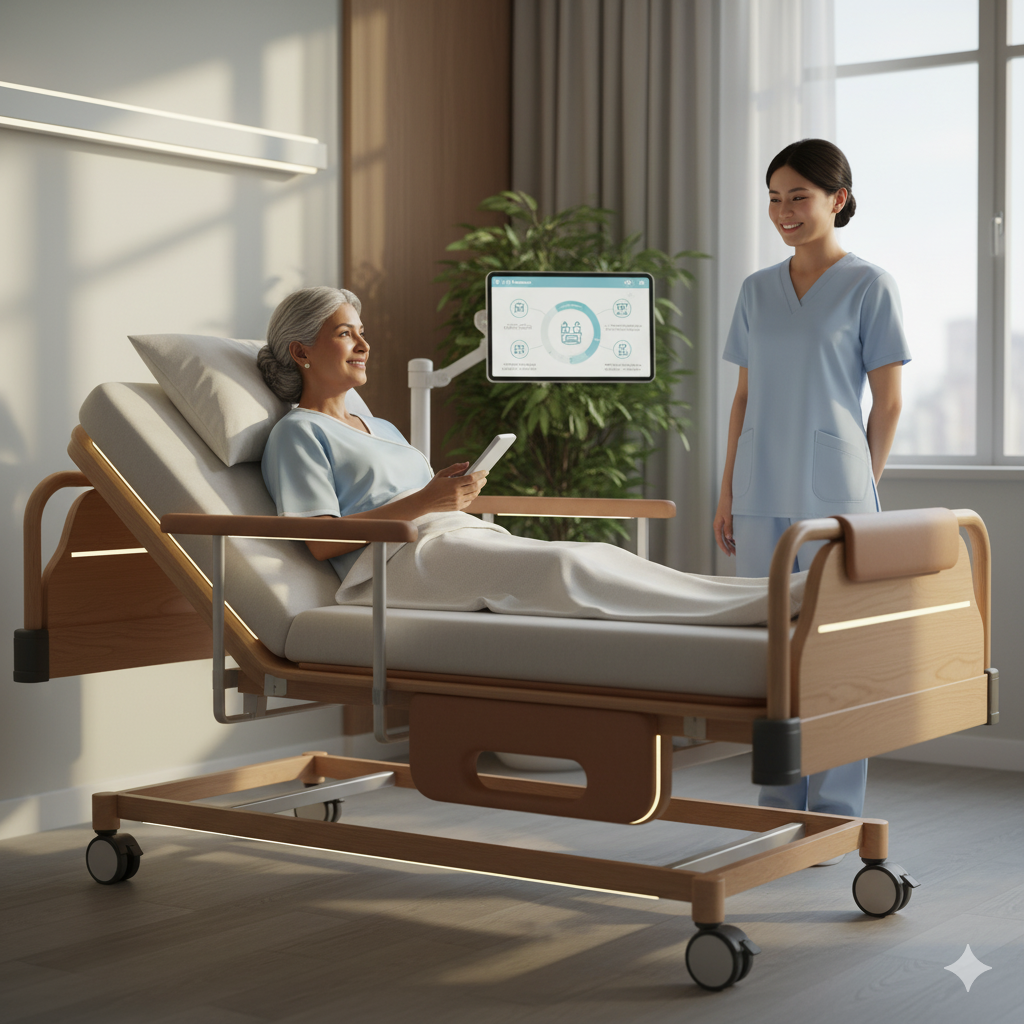
Healthcare is about comfort, dignity, and making everyday life easier for both patients and those who care for them. One of the best examples of this is the way smart design has shaped the modern hospital bed, turning it into a tool that supports healing while reducing physical strain on caregivers.
Patients often need long hours of rest, while caregivers manage tasks that involve lifting, turning, and assisting with movement. These physical demands can lead to stress and injuries over time.
Hospital equipment designed with the user in mind is not just about function but about creating an environment where recovery and caregiving can be less stressful. From better mobility features to improved safety systems, smart design makes healthcare more human-centered.
When a patient is comfortable, healing becomes easier. When a caregiver feels supported, they can give better care. Smart design finds the balance between these two needs. This is why features like adjustable height, smooth movement, and built-in support systems are becoming standard in modern healthcare furniture.
The transformation of the hospital bed shows the impact of smart design. Older versions were often bulky, heavy, and difficult to maneuver. Modern versions, however, are made with lighter materials, motorized adjustments, and safety features that give patients more independence and caregivers more support.
For patients, this means being able to shift positions with a button, reducing discomfort and improving circulation. For caregivers, it reduces the physical effort required to help with daily routines. This creates a safer and healthier environment for both sides.
One of the most powerful aspects of smart design is the independence it gives to patients. Being able to adjust their bed or reposition themselves without assistance helps maintain dignity and reduces the constant dependence on caregivers. This sense of control is an important part of recovery.
Caregiving often requires lifting, bending, and moving patients, which puts enormous physical strain on the body. Back injuries and fatigue are common among caregivers who work without supportive equipment. Smartly designed beds and mobility aids minimize these risks by making movement smoother and more controlled.
With less physical strain, caregivers can focus on providing emotional and medical support instead of struggling with daily physical challenges. This not only improves their well-being but also enhances the overall quality of care.
When caregivers feel supported by well-designed tools, their work environment becomes safer and more positive. Reduced strain leads to fewer injuries and less burnout, creating better continuity of care for patients.
The benefits of smart design are not limited to hospitals. Many families now choose to bring medical-grade equipment into their homes. Compact, stylish, and user-friendly options are available for home care, making recovery more comfortable while keeping the environment less clinical.
Patients recovering from surgery or managing long-term conditions can benefit greatly from these advancements. It allows them to stay in familiar surroundings while still receiving the care and support they need.
The integration of technology with smart design means that hospital equipment is no longer intimidating or overly complex. With intuitive controls and thoughtful features, patients and families can manage care without feeling overwhelmed.
Healthcare continues to evolve, and smart design is at the center of this transformation. Manufacturers are now exploring beds with sensors that track vital signs, alarms that prevent falls, and designs that fit seamlessly into modern homes.
These innovations are not about replacing caregivers but about giving them the right tools to work more effectively and with less strain. The future of caregiving will be defined by a partnership between human compassion and intelligent design.
In addition to these advancements, the introduction of the adjustable bed for elderly highlights how design can directly respond to specific needs. It makes care easier for families while giving older adults comfort and independence that traditional furniture cannot provide.
Smart design in healthcare is not just about technology. It is about putting people at the heart of solutions. From the evolution of the hospital bed to home care innovations, these designs reduce strain, improve safety, and create dignity for patients.
Caregivers benefit as well, with tools that make their work safer and more sustainable. As design continues to advance, the relationship between patients and caregivers will grow stronger, supported by innovations that understand the importance of comfort, safety, and independence.
The future of care lies in making life easier, and smart design is showing us the way forward.