Source: Unsplash
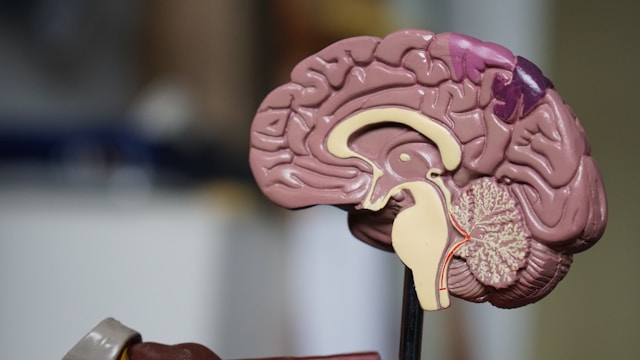
Alzheimer's disease, characterized by memory loss and cognitive dysfunction, poses a considerable challenge to public health as populations age globally. Evidence indicates that the endocannabinoid system may play a role in the modulation of neuroinflammation and neuronal survival. It has led to inquiries about whether cannabinoids could be leveraged to create therapeutic avenues to protect the aging brain from Alzheimer’s-related degeneration.
Numerous studies have highlighted the anti-inflammatory and antioxidant properties of cannabinoids, which could play a pivotal role in mitigating the effects of Alzheimer’s. Consequently, the ability to procure cannabis conveniently, through local services like weed delivery in Orangevale, allows individuals to incorporate potential neuroprotective strategies into their lifestyles. These properties may contribute to the reduction of amyloid plaques, which are protein aggregates associated with the progression of the disease.
Alzheimer’s is a neurodegenerative disorder marked by:
Today’s treatments, such as cholinesterase inhibitors or memantine, may ease symptoms but do not halt disease progression. This makes preventive and brain-protective strategies especially critical.
Cannabis contains more than 100 active compounds, but two stand out:
The ECS helps regulate memory, mood, and immune response. Cannabinoids interact with ECS receptors, potentially influencing processes tied to cognition and neuroprotection.
While still emerging, research suggests cannabis compounds may:
Most studies remain preclinical, though small-scale clinical trials are underway. Caregivers also report cannabis helping with agitation, sleep issues, and appetite in Alzheimer’s patients. However, robust evidence is still limited.
Some cannabinoids encourage neurogenesis and support synaptic plasticity, which underpins memory and learning.
CBD, in particular, has anti-inflammatory properties that may shield neurons from long-term damage caused by chronic inflammation.
Research suggests cannabinoids could reduce harmful amyloid-beta plaques and tau tangles, slowing disease progression though findings remain preliminary.
Cannabis is not risk-free. Possible side effects include:
Older adults may be more sensitive, especially if taking multiple medications.
Cannabis access varies by region. While states like California allow legal purchases, restrictions remain in place elsewhere, limiting large-scale research. Always confirm local regulations before use.
Responses to cannabis differ based on genetics, metabolism, and health conditions. Professional guidance is key to finding safe, effective options.
The potential role of cannabis in neurological health is exciting, but much remains unanswered. Future priorities include:
Researchers remain cautiously optimistic, seeing cannabis as a possible complement, not a replacement for traditional care.
Q1: Can cannabis cure Alzheimer’s?
No. Cannabis cannot cure Alzheimer’s, but research shows it may help manage symptoms and protect brain health.
Q2: Is CBD or THC better for Alzheimer’s patients?
CBD is often preferred for older adults due to its non-psychoactive nature, while THC may aid with sleep and appetite.
Q3: Is cannabis safe for seniors?
It can be safe under medical guidance, though side effects and drug interactions must be carefully monitored.
Q4: How can caregivers explore cannabis use?
Caregivers should consult healthcare providers, confirm local laws, and choose cannabis from licensed, reputable sources.
Cannabis shows promise in supporting the aging brain, particularly through its anti-inflammatory and neuroprotective effects. While it is not a cure, ongoing studies suggest it may play a role in easing symptoms or slowing Alzheimer’s-related damage.
As access expands through licensed providers such as NorCal Holistics Sacramento, staying informed is essential. Patients, caregivers, and healthcare providers should approach cannabis with curiosity, caution, and evidence-based insight, ensuring its role in brain health is both responsible and beneficial.