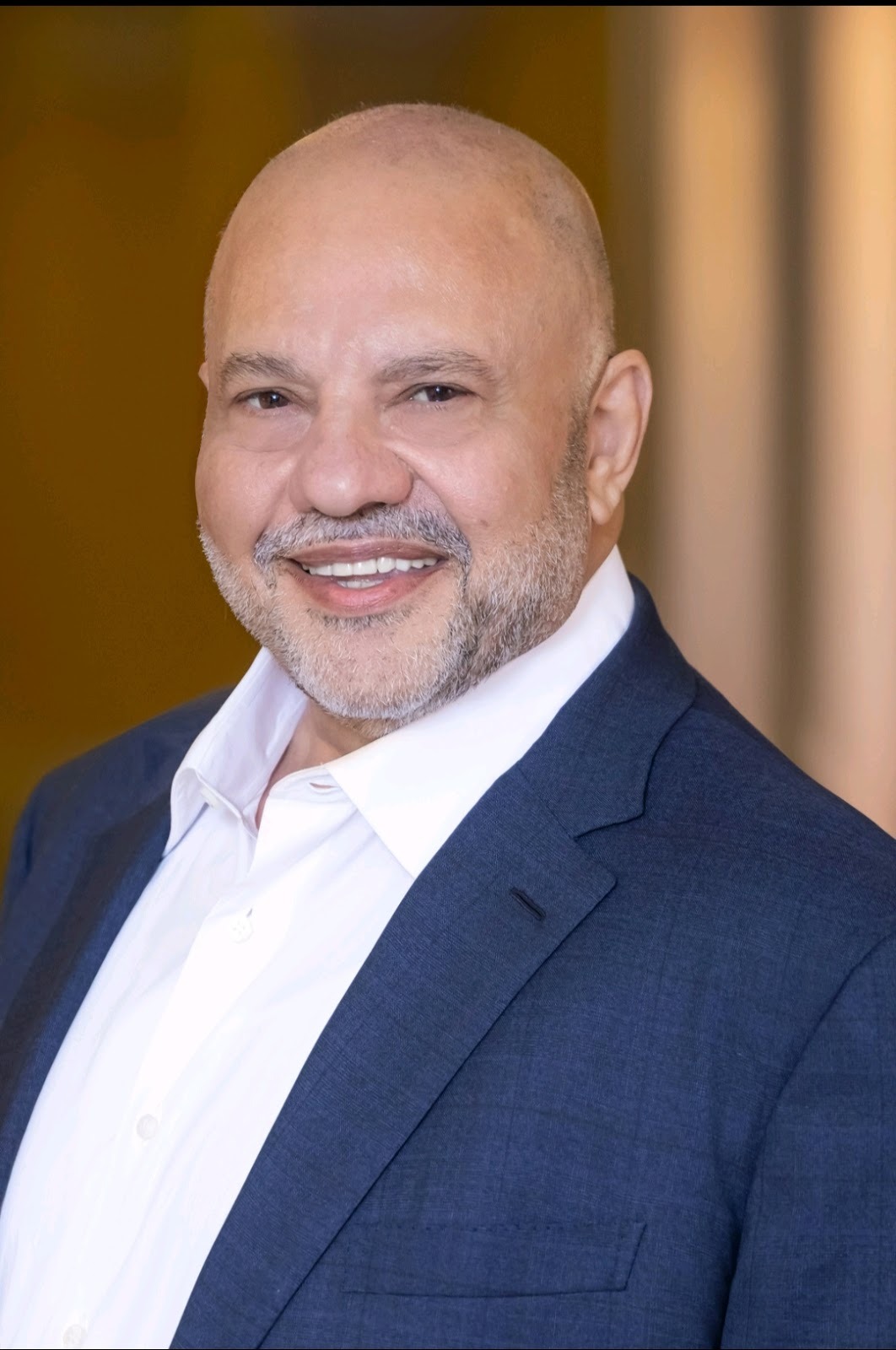
In California, the fuel market moves fast. Prices can spike after a single news update and a fire at a refinery can immediately change how much product is available. Supply is often tight, and the conditions shift throughout the day.
For entrepreneur, investor, and philanthropist Wisfe Aish, this constant movement is not an occasional challenge, but the environment he has worked in for more than 35 years. Today, he leads Double AA Corporation, the company he founded in 1999. It has since expanded into a wholesale and retail fuel services provider with more than 20 gas stations, serving customers across the state of California and beyond.
Double AA is headquartered in South San Francisco and handles wholesale fuel distribution, gas station operations, fleet fueling services, and renewable products that include BioDiesel, renewable diesel, and E-85. The company has long-standing relationships with major brands such as Valero, ConocoPhillips, and Marathon Petroleum.
Aish has built his career by reacting quickly when the market turns, learning from setbacks, and relying on cycles he has seen repeat over decades. Those same experiences have shaped the way he leads his company, how he makes decisions, and how he views the responsibility that comes with owning a business.
Aish’s deep understanding of the petroleum industry can be traced back to the years before Double AA grew into a statewide operation. Much of it started with one small station and the constant challenge of keeping it afloat.
When Aish was managing his first gas station over three decades ago, the vendors he worked with offered items such as belts, hoses, tires, and different kinds of oil, and the people selling them pushed these products because they earned commissions on the sales.
His cash flow at the time was very limited, and he had just enough money to keep the operation going. Even with that, his sales representative continued encouraging him to buy more inventory by promising a higher discount.
During that period, he agreed to purchase a truckload of oil that included different varieties and was told he would be given time to pay for the order. Assuming he could cover the cost as money came in, he didn’t think to ask how long that time frame would be.
It wasn’t until later that he learned the deadline was just 45 days. By the end of that 45-day window, he had paid only about one-third of what he owed and didn’t have the remaining amount.
After that point, he started receiving warnings that he needed to pay the rest, and because credit was not an option for him, he did everything he could to gather the money. Threats started rolling in, along with warnings about what could happen to his business if he didn’t pay.
Eventually, he was given enough time to finish paying off the entire balance. When the sales representative returned two months after the debt was fully paid, the order he presented was smaller and more reasonable. After that point, the rep continued visiting on a quarterly basis, but only provided the products Aish needed.
“The moral of the story is if you don't have it, don't spend it,” Aish said. “Don't buy more than what you can afford.”
That early misstep became a defining lesson in understanding his limits and making sure the business never took on more than it could realistically carry.
Wisfe Aish has spent his entire career in a market that rarely gives anyone time to ease into a decision. Prices change, sometimes multiple times in a day, and supply can shrink in a matter of hours. After decades in the industry, he’s learned that the only way to keep up is to understand how the market behaves, not just what it does at the moment.
Aish describes how the market goes up, down, back again, and California’s limited supply only magnifies those swings. As more refineries transition to renewable diesel, E-85, and other alternatives, the volume of traditional products becomes even more restricted. This means movement is expected, not surprising.
To keep up with the market’s quick pace, Aish keeps his operation flexible. Without a long chain of decision-makers to wait on, he can react the moment prices rise, fall, or tighten.
“I've always been swift on my feet,” he explained.
Experience has shown him that market behavior often repeats itself, and recognizing those recurring patterns has become a key part of how he determines his next steps.
As he continued building his business, Aish has also learned what works for him when it comes to partnerships. He has worked with people who shared equal decision-making power, and while a few of those collaborations were productive, others created more challenges than momentum.
Those experiences showed him how easily two people’s priorities can drift apart and how quickly the pressure can shift when something goes wrong. He noticed that partners often look to each other to fix the problem, which complicates the process and slows down the pace he needs to operate at.
For someone who makes fast decisions in a fast-moving market, that kind of dynamic simply doesn’t work for him. He would rather make the call himself and deal with whatever follows. If a decision works, everyone benefits. If it doesn’t, he accepts that the responsibility is his.
Even with his independent leadership style, Aish is deliberate about who he brings onto his team, focusing on people who care about their work and understand the responsibilities tied to their roles.
One example he gives is the person in charge of buying barrels of fuel. That role sits at the center of daily operations, and it requires someone who can track market conditions, recall past pricing patterns, and understand the scenarios that influence cost.
In his view, training can only go so far. The rest depends on the person’s judgement and their ability to make decisions that support the company’s goals.
That expectation also carries into how he handles challenges. In his industry, crises appear almost daily, and rather than react impulsively, he studies the situation, collects the facts, and faces it head-on without changing the facts.
“You need to know what you're talking about and find a direction and stick to that direction as long as it's straight and narrow,” he said.
Aish’s work doesn’t stop at fuel and transportation. In addition to running Double AA, he also invests in real estate and has taken on development projects, including serving as a project developer for a residential proposal.
He also believes that successful businesses have a responsibility to give back, influencing the choices he makes about where to focus his time and resources. His interest in community involvement began in his early years in San Francisco, where he spent time at the Boys and Girls Club, and it has remained part of his life ever since.
Over the years, he has supported youth programs, local charities, and community events through both personal donations and company-driven efforts. Through these contributions, he hopes to help people gain access to the resources, education, and opportunities they need to begin working toward long-term stability.
Looking ahead, Wisfe Aish plans to continue taking opportunities that align with his goals, growing in line with rising costs of living, and leading his company the same way he always has.
He remains committed to creating lasting value for the people connected to his work — whether they’re customers, employees, or residents of the areas he serves — with the goal of contributing to stronger, more equitable communities.