In today’s competitive retail landscape, packaging has evolved far beyond its basic purpose of protection. It has become a strategic tool for branding, storytelling, and creating emotional connections with customers. Among all packaging types, rigid boxes stand out as the ultimate choice for luxury and high-value products. Their premium look, sturdy structure, and endless customization potential make them the hallmark of excellence in packaging design.
Rigid boxes are used across industries — from cosmetics and electronics to jewellery, perfumes, and gourmet foods. They deliver an unforgettable unboxing experience while ensuring that the product remains safe and presented beautifully. This blog explores everything about rigid boxes — their construction, types, materials, branding, manufacturing, and practical applications that make them the preferred choice for luxury brands worldwide.
Rigid boxes, sometimes known as set-up boxes, are made from thick, durable paperboard that is four to five times thicker than standard folding cartons. Unlike regular cardboard boxes, rigid boxes do not collapse or fold flat. They maintain their shape permanently, giving them a solid, upscale feel that consumers associate with quality.
Typically, rigid boxes are composed of two parts:
This combination provides both strength and aesthetics — the rigid core keeps the box sturdy, while the outer layer delivers brand personality and visual appeal. The result is a packaging solution that feels as good as it looks.
Rigid boxes have become synonymous with luxury. The tactile experience of lifting a rigid lid, the smoothness of a matte finish, or the shimmer of metallic foil — these subtle design elements create a sensory connection that simple folding cartons cannot match.
Brands prefer rigid boxes for several reasons:
Rigid boxes offer superior strength, protecting fragile or expensive products such as electronics, glass bottles, watches, and cosmetics. The rigid board can withstand pressure and impact, ensuring that the product inside arrives safely.
Presentation matters — and rigid boxes make every product look premium. Their solid structure allows for precise alignment, neat edges, and consistent dimensions, which enhances the perception of value.
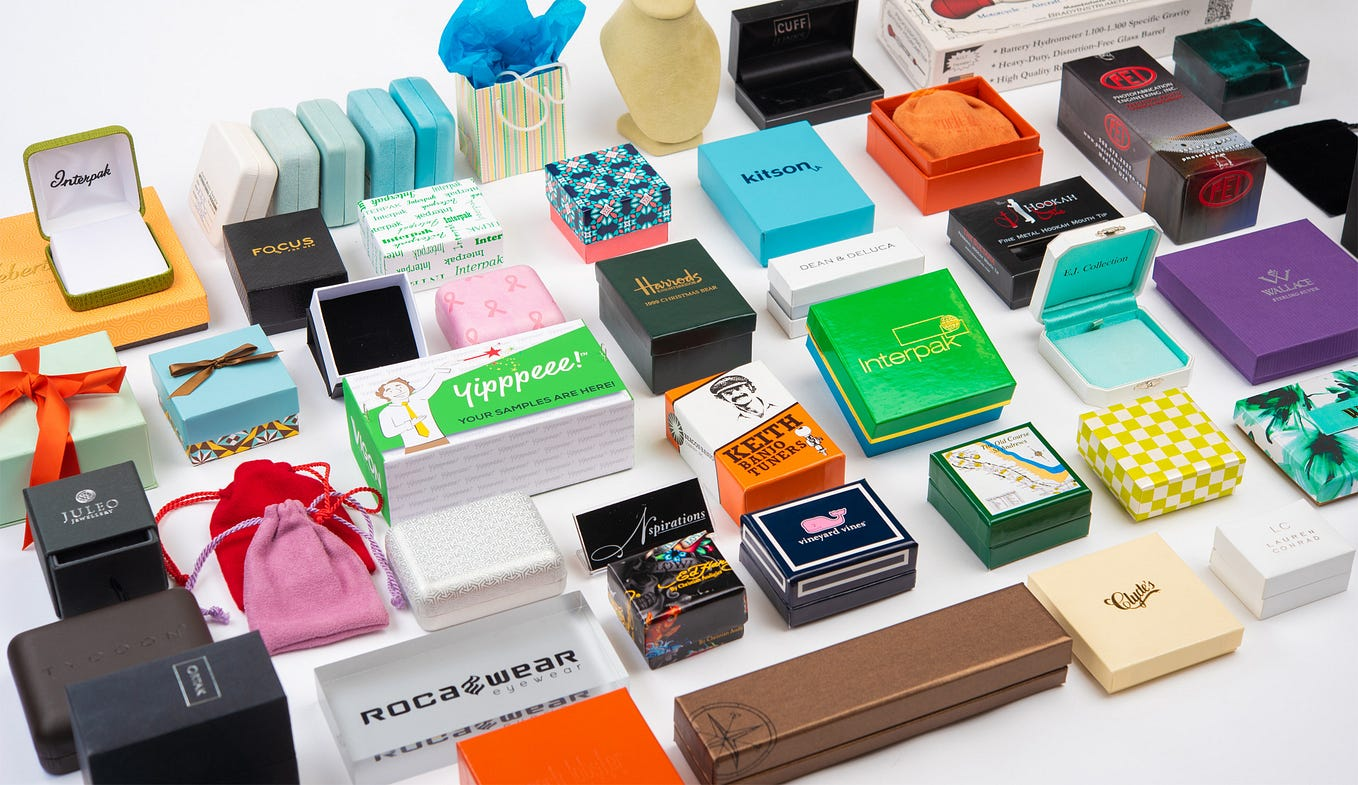
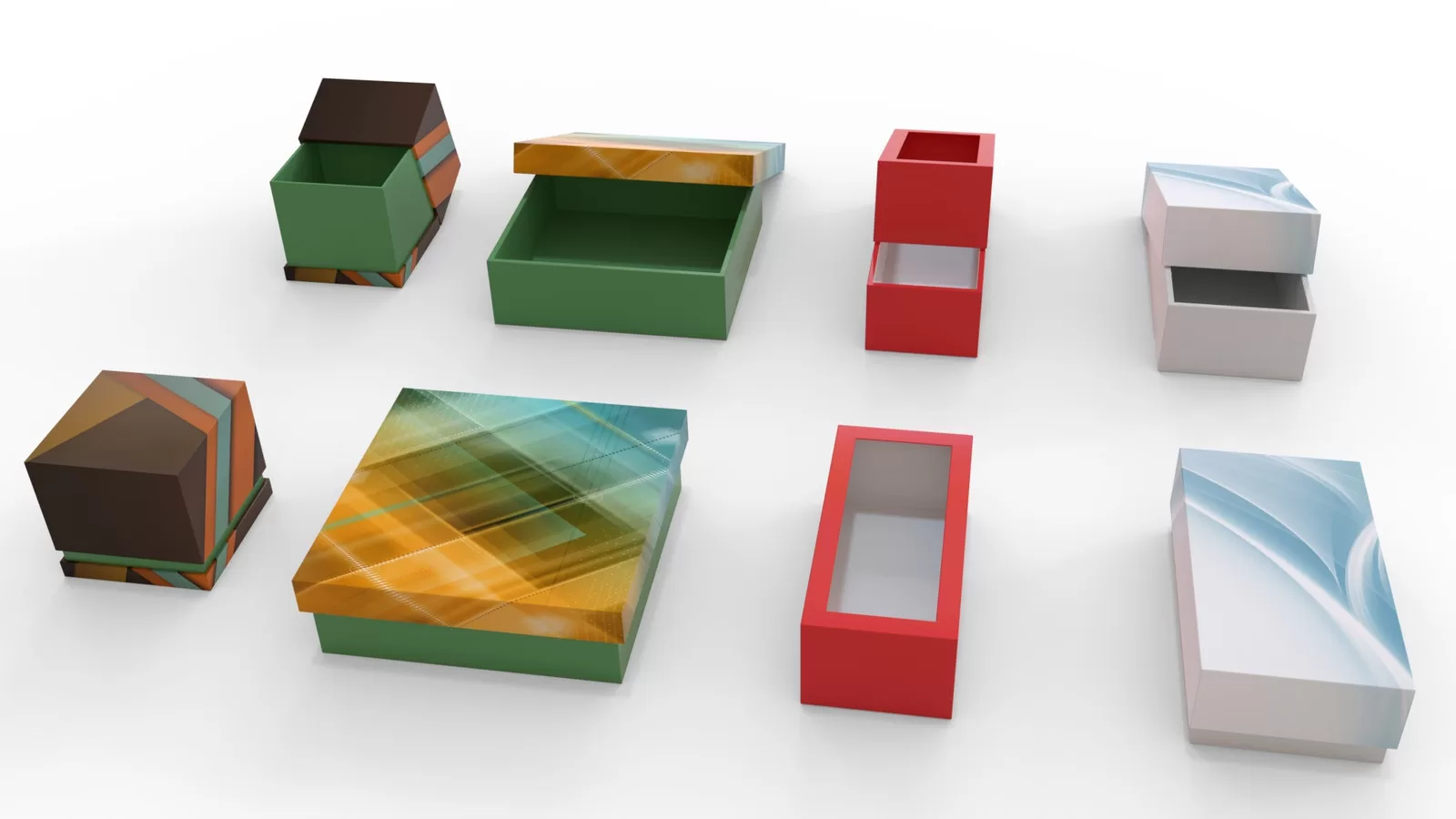
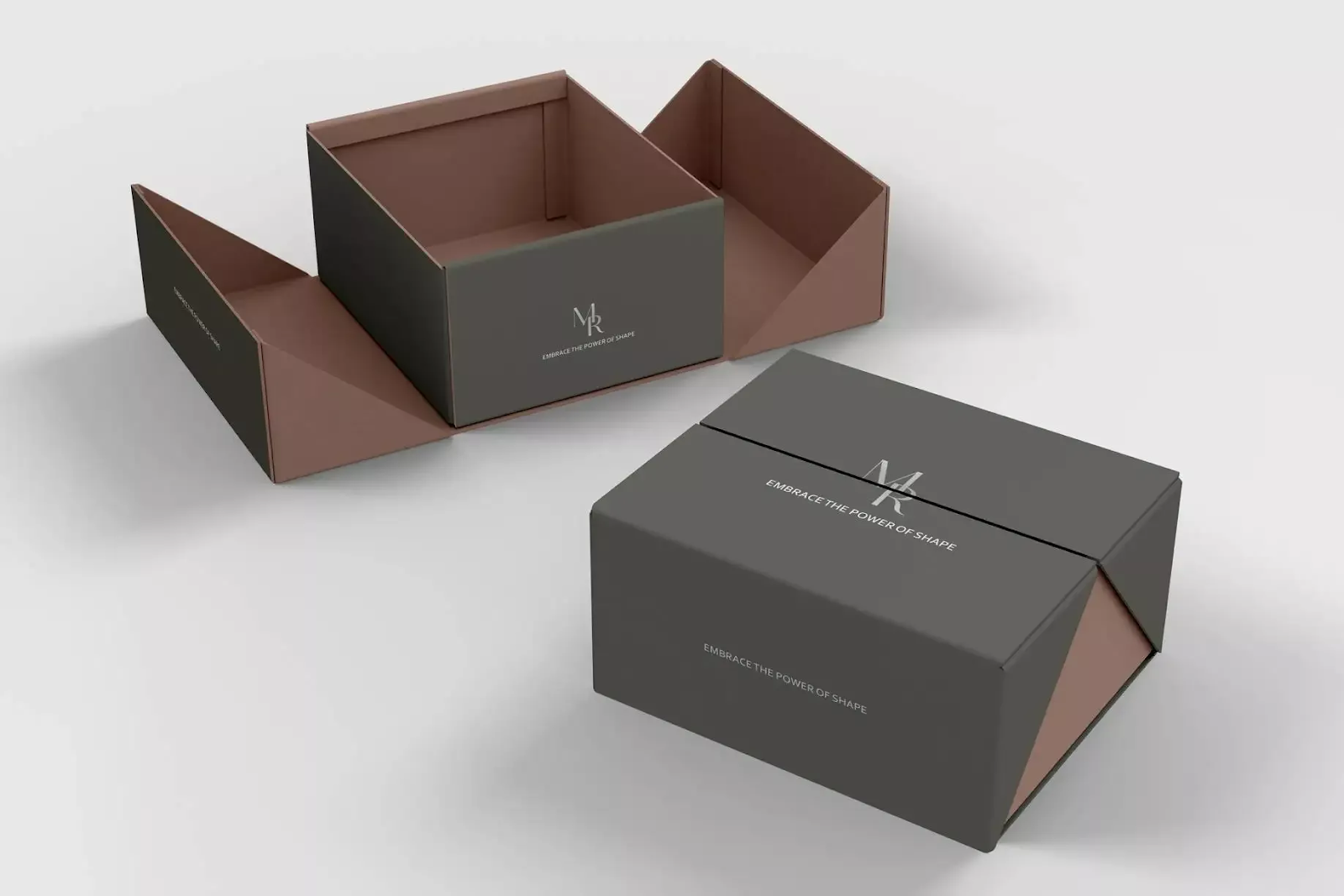
Rigid boxes are not limited to one style. They can be customised in endless forms — from simple two-piece lift-off lids to magnetic closure boxes or drawer-style sliding cases. This flexibility allows brands to tailor packaging according to function, audience, and brand theme.
Unlike disposable packaging, many customers reuse rigid boxes for storage or decoration. This extended life increases brand visibility and reinforces positive consumer perception.
The surface of a rigid box serves as a blank canvas. Through embossing, foil stamping, textures, and print design, a brand can communicate its identity instantly. Luxury packaging doesn’t just hold a product — it tells a story.
Rigid boxes come in various structures, each offering unique functional and aesthetic qualities. The right choice depends on the type of product and the desired unboxing experience.
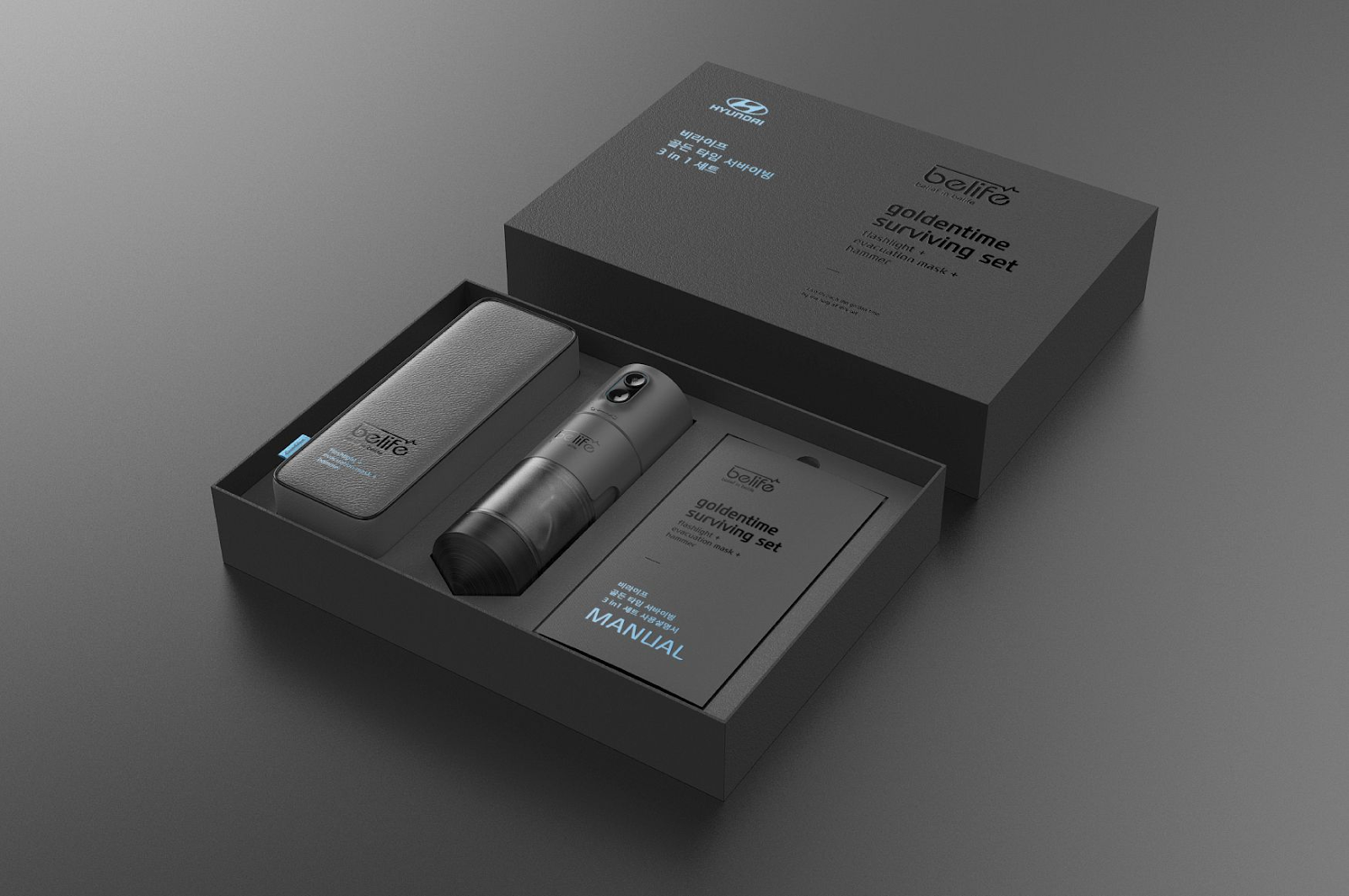
The classic rigid box design features a separate lid that lifts completely off the base. It is simple, elegant, and widely used for products like candles, perfumes, and electronics. The deep base allows for cushioning and inserts, while the lift-off motion creates anticipation during unboxing.
Magnetic rigid boxes exude modern sophistication. The magnetic flap keeps the lid securely closed, offering both convenience and style. These boxes are ideal for premium gift sets, cosmetics, and luxury accessories where presentation is part of the experience.
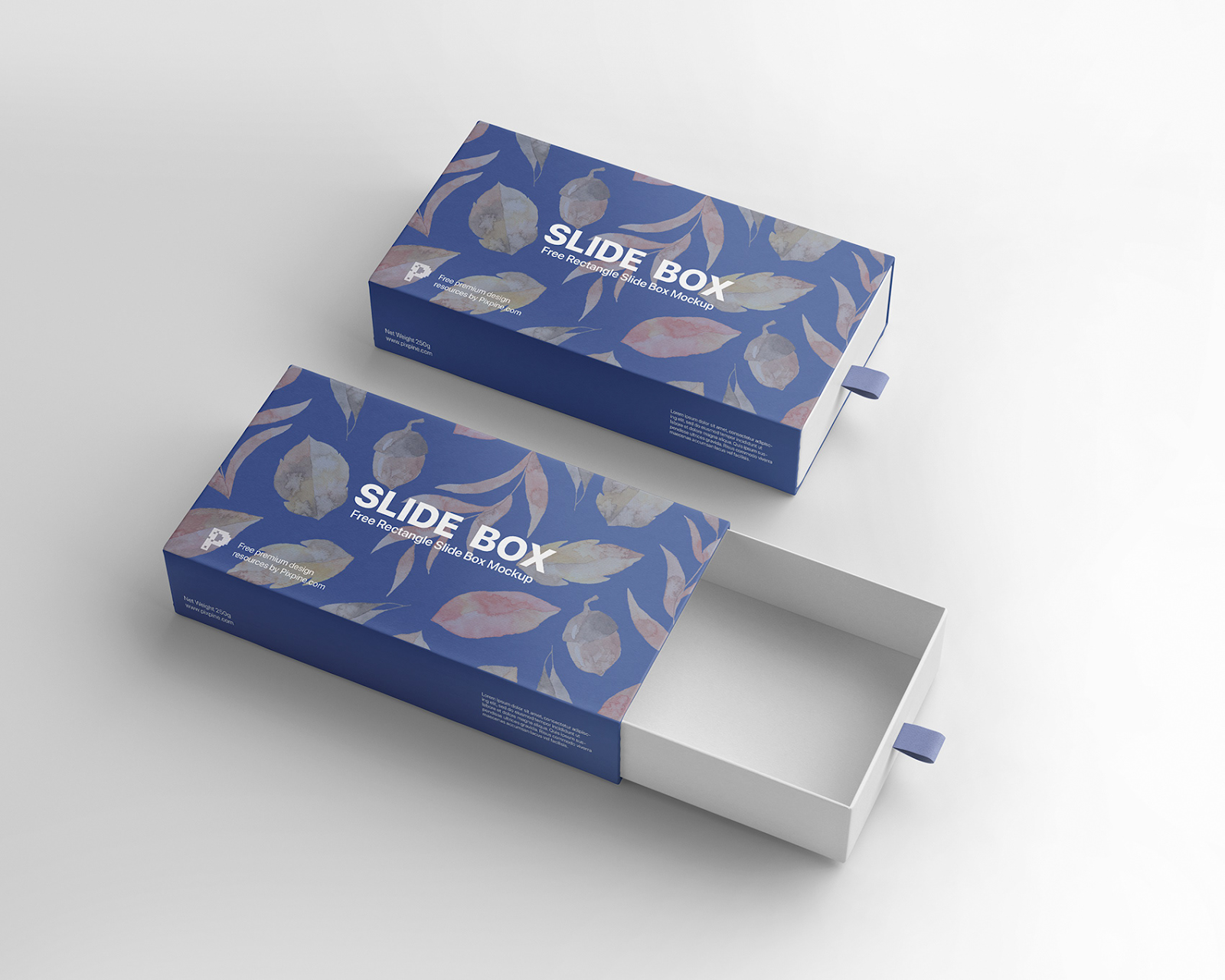
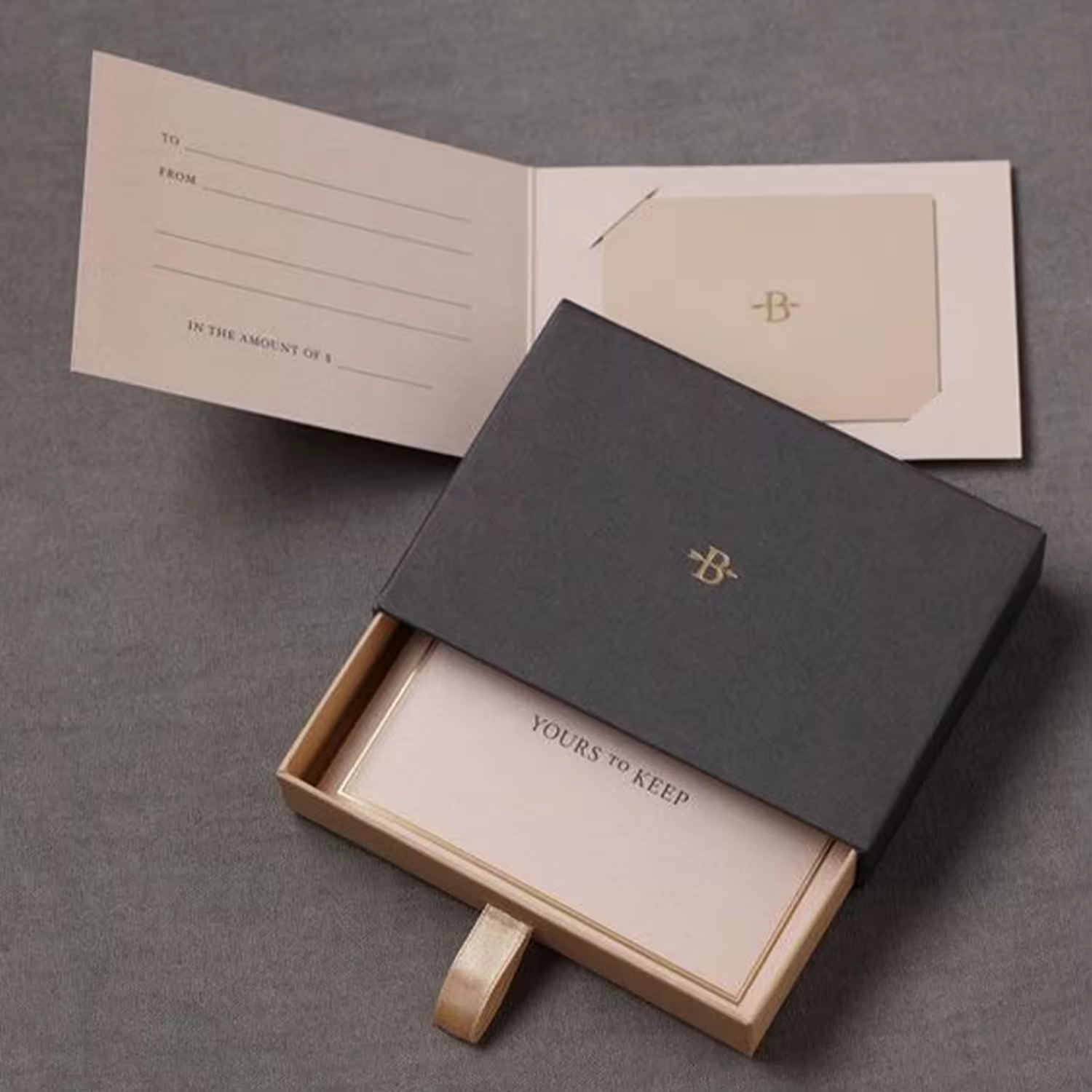
Also known as sleeve boxes, these come with an inner tray that slides out of an outer sleeve, similar to a drawer. They provide excellent protection and are highly suitable for jewelry, watches, and rigid christmas gift boxes. The sliding motion adds an interactive, tactile element to unboxing.
This type opens like a hardcover book and is often used for product kits or collections. It allows for detailed printing on the inside flap and can include magnets for secure closure. It’s a favorite in the fashion, perfume, and collector’s edition industries.
The hinged box features an attached lid that opens and closes on a hinge. It offers easy accessibility and is commonly used for gadgets, shoes, and subscription boxes that require repeated opening.
To reduce shipping volume, collapsible or foldable rigid boxes combine luxury with practicality. They can be assembled easily without compromising sturdiness, making them a great choice for global brands with high shipping needs.
The core of any rigid box lies in its materials. Each layer contributes to performance, appearance, and sustainability.
This is the structural foundation of the box, typically ranging from 1.5mm to 3mm thick. It provides rigidity and strength. Thicker boards are used for heavier items like glassware or tech devices.
The outer decorative layer can be plain, textured, printed, or laminated. Popular options include coated paper, kraft paper, linen-textured paper, or even fabric wraps. This layer determines the visual identity of the box.
Finishes such as matte, gloss, soft-touch, or anti-scratch coatings enhance protection and tactile appeal. Soft-touch lamination, for instance, adds a velvety texture that elevates luxury perception.
Rigid boxes often feature inserts made of foam, EVA, cardboard, or velvet-covered trays to hold products securely in place. Liners such as silk, satin, or molded pulp offer additional cushioning and visual refinement.
With eco-conscious branding on the rise, many manufacturers now use recycled greyboard, biodegradable coatings, and natural paper wraps to create premium yet sustainable packaging.
Rigid boxes allow for highly creative design applications. From minimalist matte finishes to metallic foils and embossed textures, brands can customise every detail.
These techniques raise or press designs into the surface, adding tactile depth. A logo embossed on matte paper creates a luxurious contrast that captures attention.
Gold, silver, or holographic foils highlight brand elements with elegance. Foil stamping pairs well with dark backgrounds to enhance visibility and class.
A glossy layer applied selectively creates contrast and directs focus to specific design areas like logos or taglines.
High-definition printing allows for vibrant visuals and fine details. Digital printing is ideal for short runs, while offset printing ensures consistency in bulk orders.
Using textured paper such as linen, suede, or pearlised finishes adds a sensory dimension that elevates the unboxing experience. Texture invites touch — a key factor in luxury perception.
Rigid boxes are used in nearly every high-end product category. Their versatility allows customization for specific functional and aesthetic needs.
Perfumes, cosmetics, and jewelry brands use rigid boxes to embody elegance. The structured form enhances shelf presence and creates a memorable unboxing moment.
For premium gadgets, rigid boxes provide robust protection. Apple’s minimalist white rigid packaging, for example, became iconic for its precision and quality presentation.
Luxury food brands use rigid boxes for chocolates, dry fruits, and confectioneries. Inserts and liners maintain freshness while providing a high-end gifting appearance.
Designer clothing, shoes, and accessories often come in rigid magnetic boxes, preserving form and protecting delicate fabrics or embellishments.
Rigid boxes are popular for gift hampers, promotional kits, and high-end business gifts. Their durability ensures products arrive intact, while presentation reflects corporate prestige.
Rigid boxes often include customized inserts that protect and display products attractively. Inserts can be made from several materials depending on the need:
Each insert type is chosen for functionality — whether to separate items, prevent damage, or enhance presentation. A well-designed interior ensures that the product remains the hero while the box complements its form.
Rigid box production requires precision and skilled craftsmanship. The process generally includes the following stages:
Because of their manual assembly, rigid boxes often cost more to produce than folding cartons. However, the visual and tactile payoff justifies the investment for premium branding.
While folding cartons are ideal for mass-market products, rigid boxes dominate luxury packaging because they communicate prestige, stability, and craftsmanship.
Businesses investing in rigid packaging should evaluate several aspects to ensure functionality aligns with brand identity.
Heavier or fragile products need thicker boards and tight-fitting inserts to prevent damage.
Luxury brands should prioritise textures, foils, and unique structures to align with premium identity, while eco-focused brands might choose uncoated kraft paper or recycled wraps.
Rigid boxes have higher production costs due to manual assembly. Bulk orders can reduce unit prices significantly, making them more viable for large campaigns.
Opt for recyclable materials, soy-based inks, and biodegradable coatings to meet eco-conscious consumer expectations.
In the digital era, the unboxing moment has become a marketing opportunity. Consumers share videos of aesthetically packaged products on social media, giving brands free exposure.
Rigid boxes are perfect for creating such moments — their magnetic lids, rich textures, and thoughtful interiors make the experience memorable. The box itself becomes a part of the brand story, reinforcing value and trust.
Designers often collaborate closely with marketing teams to ensure that every detail — from colour to typography — aligns with brand voice. The packaging must evoke emotion before the product is even revealed.
While luxury packaging traditionally relied on coated and laminated finishes, sustainability trends are changing the industry. Brands now demand eco-luxury — premium packaging that looks elegant but is environmentally responsible.
Manufacturers have started incorporating recycled greyboard, biodegradable laminates, and plant-based inks without compromising on aesthetics. Some even experiment with modular rigid boxes that can be reused as storage organisers or decorative pieces, extending product life and reducing waste.
Sustainability doesn’t mean sacrificing quality; it means redefining luxury for a conscious consumer base.
As consumer expectations evolve, rigid packaging continues to innovate.
Some key trends shaping the future include:
Brands are embedding NFC chips or QR codes into custom rigid boxes to connect customers with digital content such as authenticity checks, product information, or exclusive promotions.
Matte textures, uncoated kraft papers, and neutral tones are becoming symbols of sophistication and environmental awareness.
Brands are designing boxes that can transform into keepsake containers, jewelry organisers, or display cases after purchase — extending brand presence in customers’ homes.
While traditionally hand-assembled, automation and precision machinery are improving efficiency and consistency in rigid box manufacturing.
Rigid boxes are more than packaging — they are brand experiences.
They communicate value, protect products, and leave lasting impressions on customers. A well-designed rigid box turns an ordinary purchase into an extraordinary moment of connection.
In a crowded marketplace where consumers judge by appearance before quality, rigid boxes give brands an undeniable edge. They combine durability, design, and emotion into one powerful presentation.
Rigid boxes have earned their reputation as the gold standard of premium packaging. Their durability, aesthetics, and design flexibility make them indispensable for brands that value quality and presentation. Whether it’s a delicate fragrance, a sleek electronic gadget, or a box of artisanal chocolates, rigid packaging transforms the product into a luxury experience.
For businesses, investing in rigid boxes means investing in perception — the way customers see, feel, and remember the brand. As sustainability and innovation continue to shape the packaging landscape, rigid boxes remain a timeless symbol of sophistication and trust. They are not just boxes — they are the face of excellence in modern packaging.