The modern building and real-estate landscape has transformed dramatically over the past decade. Projects are becoming larger, timelines more compressed, and buyers increasingly global. Developers, contractors, and real-estate agencies must now handle fast-moving transactions, complex compliance requirements, and a growing expectation for transparency and digital convenience.
In high-growth markets like the **United Arab Emirates (UAE)** — where multi-billion-dollar masterplans, off-plan launches, and international investor demand have become the norm — the traditional approach of managing sales, communication, and documentation through spreadsheets or siloed systems can no longer keep up.
This is why **Real Estate CRM platforms** have become mission-critical tools — not only for agencies, but increasingly for developers, builders, and project owners.
Below, we explore how CRM software is reshaping the building process in rapidly evolving markets, with practical insights relevant to developers and industry stakeholders across Australia and globally.
---
1. A Rapidly Changing Real Estate & Construction Ecosystem
From manual processes to full lifecycle digitisation
Traditionally, CRM systems were used by real-estate agents to track inquiries and manage sales pipelines. But as development projects have grown in complexity, today’s CRMs have evolved into **complete operational ecosystems**.
Modern Real Estate CRM platforms now integrate:
* Lead capture from portals, social channels, and walk-ins
* Off-plan project management and unit inventory tracking
* Customer onboarding and KYC workflows
* Payment schedules and milestone reminders
* Construction progress communication
* Digital documentation for SPAs, addenda, and contracts
* Handover and snagging management
* After-sales and customer care
For builders and developers — especially in markets with intense competition and international buyers — this full-lifecycle approach has become a strategic necessity.
Why this matters in markets like the UAE
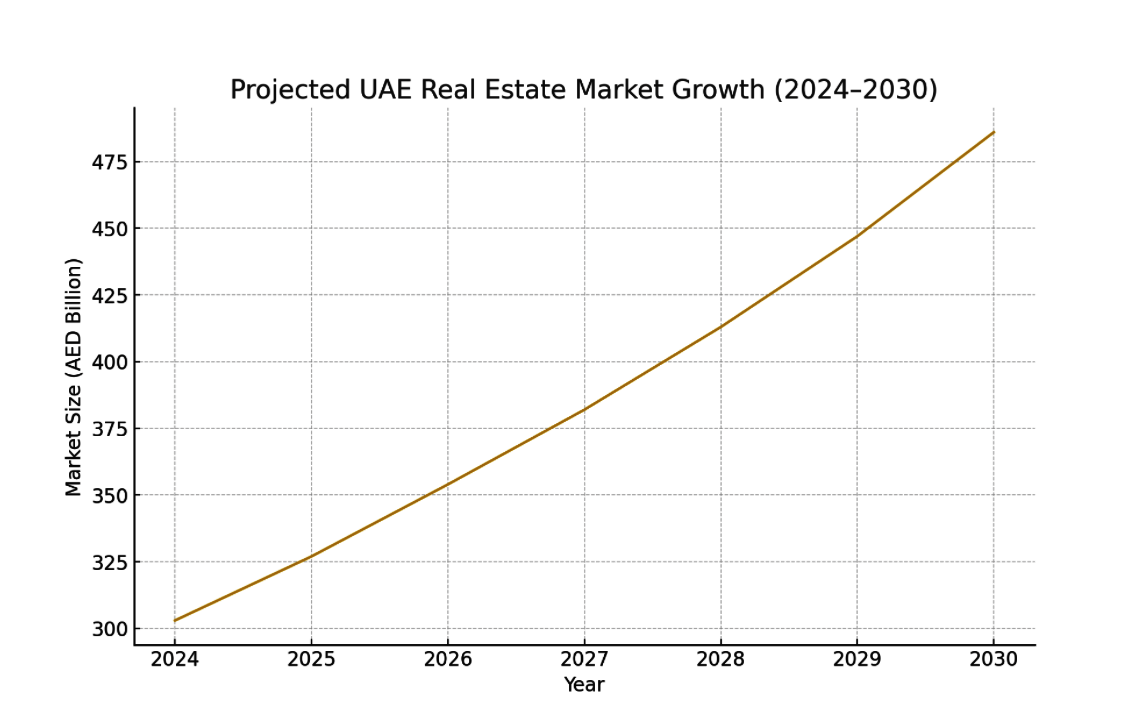
The UAE is currently one of the world’s fastest-growing real-estate markets, fuelled by:
* Record off-plan launches
* Investor-friendly regulations
* Massive infrastructure projects
* A diversified, expatriate-heavy population
* Global capital inflows from Asia, Europe, and the Middle East
This velocity introduces both opportunity and risk. Without technology to manage communication, documentation, and client experience, developers face:
* Slower sales cycles
* Missed opportunities
* Compliance gaps
* Buyer dissatisfaction
* Operational inefficiency
CRMs bridge these gaps — and increasingly serve as the digital backbone of the building process.
2. Managing Scale: Why CRM Adoption Becomes Critical in High-Growth Markets
High volume, high speed
In countries like the UAE, agencies and developers often receive **hundreds of inquiries per day**, especially during off-plan launches. Manually tracking leads or relying on spreadsheets leads to:
* Lost opportunities
* Poor follow-up
* Miscommunication between sales teams
* Inconsistent data across departments
Real Estate CRMs centralise:
* Lead capture
* Lead routing
* Sales pipelines
* Automated follow-ups
* Multi-channel communication (email, SMS, WhatsApp)
This ensures faster response times — essential in markets where buyers often choose the developer who responds first.
A global buyer base requires global communication
A key characteristic of the UAE’s property sector is its diverse, international audience. Buyers come from more than 150 countries, many of them investing remotely.
CRMs support global buyers by offering:
* Automated multi-language communication
* Digital KYC and documentation
* Remote signing capabilities
* Time-zone-aware scheduling
* Investor portals for updates and statements
For developers selling off-plan units to overseas buyers, these capabilities dramatically improve conversion and investor trust.
Regulatory pressure and compliance
As markets expand, governments typically increase regulatory oversight. Dubai Land Department (DLD) and RERA have introduced rigorous standards for:
* Advertising accuracy
* Contract disclosure
* Brokerage registration
* Transaction transparency
CRMs help developers and agencies remain compliant through:
* Document templates and approval workflows
* Secure storage
* Systemised version control
* Audit trails
* Centralised buyer records
For builders and developers managing several projects simultaneously, this level of digital governance is essential.
3. Improving Developer–Buyer Communication Across the Entire Building Lifecycle
The challenge of off-plan transparency
Off-plan sales dominate regions like Dubai, Abu Dhabi, and Ras Al Khaimah. Buyers expect clear and regular updates about:
* Construction progress
* Payment milestones
* Handover timelines
* Building permits and inspections
* Post-handover service
A CRM simplifies these processes by creating:
* Automated update cycles
* Email and WhatsApp communication flows
* Central dashboards for progress tracking
* Document libraries for buyers
* Scheduled reminders
This proactive communication builds **buyer confidence**, a crucial differentiator in competitive off-plan markets.
Enhancing trust through real-time visibility
A CRM can integrate with contractor updates, PMC systems, or ERP data so that buyers and internal stakeholders have near real-time visibility into:
* Percentage completion
* Milestone achievements
* Snagging status
* Unit readiness
This reduces uncertainty and significantly improves customer experience — a major driver of long-term brand loyalty for developers.
---
4. Streamlining Operations for Builders, Contractors, and Developers
Integrated task and pipeline management
Construction and sales operations are often misaligned due to:
* Parallel workflows
* Multiple stakeholders
* Handovers between departments
* Manual communication
A Real Estate CRM unifies these workflows by enabling:
* Automated task assignment
* Inter-departmental collaboration
* Approval chains
* Construction milestone tracking
* Digital workflows for sales, finance, legal, and engineering
The result is **fewer delays**, **faster decision-making**, and **higher operational efficiency**.
Digital documentation: the new standard
The building process requires an enormous amount of documentation:
* SPA contracts
* Payment schedules
* Project drawings
* Variations and addenda
* Compliance certificates
* Handover forms
These often get scattered across email threads or physical folders.
A CRM centralises and secures every document, ensuring:
* Version control
* Searchability
* Standardisation
* Fast retrieval
* Reduced administrative workload
In markets like the UAE, where buyers and stakeholders expect fast digital access, this is essential.
5. Enhancing Sales & Marketing Performance for Builders and Developers
Centralising listings and marketing collateral
Developers and agencies in the UAE publish listings on numerous channels:
* Property Finder
* Bayut
* Dubizzle
* Social media platforms
* International investment portals
* Direct developer campaigns
A CRM automates:
* Listing distribution
* Marketing asset management
* Campaign tracking
* Lead attribution
* Landing-page integrations
This improves both consistency and campaign ROI.
Automation as a competitive edge
Modern CRMs offer automation such as:
* Drip campaigns
* Payment reminders
* Lead scoring
* Follow-up sequencing
* AI-driven recommendations
In fast-moving markets, this automation can reduce acquisition costs and increase conversion speed dramatically.
6. The Growing Role of CRM in Handover and Post-Construction Phases
Digital handover management
Handover often determines long-term reputation. A CRM enables:
* Handover scheduling
* Snag/defect logging
* Ticket assignment to technicians
* Escalation workflows
* Customer satisfaction surveys
This replaces manual, error-prone processes and gives developers a structured, transparent handover system.
Lifetime customer value
Developers increasingly recognise buyers not as one-off customers but long-term stakeholders. CRMs allow structured:
* Warranty management
* Service requests
* Renewal or upgrade opportunities
* Referrals and loyalty incentives
In mature markets, this post-handover digital experience is becoming a differentiator.
7. Looking Ahead: Why CRM Adoption Will Continue to Rise in Building & Development
As high-growth markets continue to expand, the pressure on builders and developers will intensify. Buyers expect transparency, speed, and digital convenience — especially international investors. Governments are tightening compliance and reporting standards. Developers are scaling portfolios faster than operational structures can keep up.
**Real Estate CRMs solve all these challenges.**
They deliver:
* Efficiency
* Transparency
* Automation
* Customer satisfaction
* Scalability
* Reduced operational risk
In emerging and rapidly evolving regions like the UAE, these systems are not just tools — they are digital infrastructure.
For developers, builders, and agencies working across Australia, the UAE, and global markets, CRM adoption is becoming a clear competitive advantage and a foundational part of the building process.