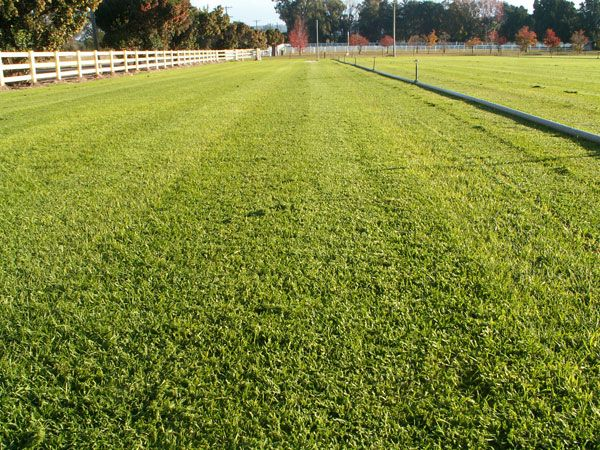
Installing new turf is one of the fastest and most effective ways to revive your outdoor space. Whether you’re transforming a tired, patchy lawn into something lush and green or laying turf for a newly built home, proper preparation makes the biggest difference in how well your new lawn establishes. Good preparation also protects your investment—healthy, well-prepared soil gives turf the best chance to take root, grow evenly, and last for years.
In Australia’s warm climate, turf can establish quickly if everything is done right. But if the soil is compacted, uneven, or poorly nourished, the lawn may struggle with patchiness, weed growth, drainage issues, and poor colour. This is why experts always highlight that preparation is more important than the turf itself.
Below is a detailed guide on how to prepare your ground before the turf arrives, what tools and materials you’ll need, and how soon you should lay the turf upon delivery to achieve the best results.
A well-prepared base ensures your turf roots deeply and grows evenly. Here are the steps homeowners and landscapers should follow before the turf truck arrives at your property.
Before anything else, you must clear the site properly. This involves:
Old grass, especially couch grass, buffalo remnants, or weeds, can regrow under your new turf and cause major problems.
You can remove old grass by:
Removing grass ensures nothing competes with your new turf for nutrients and water.
Check for:
These can interfere with root contact and create air pockets under the turf.
Soil is the foundation of your lawn. Poor soil = poor lawn. Before your turf arrives, test your soil by grabbing a handful of dirt.
There are three common soil conditions in Australia:
Depending on your soil, here’s what to add:
Healthy soil leads to:
Investing in good soil now saves you water and maintenance later.
Even the best turf won’t survive in areas that hold water. Before delivery day, check drainage:
Dig a small hole around 20cm deep and fill it with water.
Good drainage prevents turf rot, fungus, and soggy patches.
Smooth and even ground ensures your new lawn looks professional. It also prevents water pooling.
For best results, aim for a smooth, even finish before turf delivery.
If you're preparing a large area, rotary hoeing is essential.
Loose soil also makes it easier for turf roots to establish deeply.
Before the turf arrives, many professionals recommend adding turf underlay, a special soil mix that increases root growth and plant health.
50mm to 100mm, depending on the lawn area and existing soil.
This provides a nutrient-rich base for your new turf to grow quickly and evenly.
After spreading the underlay:
Proper compaction prevents sinking spots and ensures turf makes full contact with the soil.
Many people overlook this step, but moist soil helps turf roots take hold faster.
Water lightly—don’t flood the area.
If you plan to install irrigation, do it before the turf arrives.
Automatic systems also save time and water.
Once your turf arrives, the clock starts ticking. Fresh turf is a living plant—keeping it rolled for too long causes heat buildup, dehydration, and root damage.
The best practice is to lay turf as soon as it’s delivered, ideally:
If turf stays rolled longer, the layers begin to heat up, causing:
By laying it right away, you ensure strong establishment and healthy growth.
If immediate installation isn’t possible, store turf in a shaded, cool area.
Do NOT leave turf:
Heat stress can damage the turf rolls quickly.
Once laid, give your new lawn a deep soak.
For the first two weeks, water the turf daily, especially during hot Australian summers.
Delaying installation can lead to:
If turf is stored for too long, some rolls may not recover, even with extra care.
During colder months, turf may survive slightly longer before installation—up to 48 hours in some cases—but it’s still recommended to lay it immediately. Fast installation = healthier lawn.
To avoid delays, make sure the following steps are done before the truck arrives:
Being fully prepared ensures you can lay the turf quickly, preventing stress and potential damage.
Once your turf is installed, follow these steps to establish strong and healthy roots.
Keep the soil moist at all times.
Only mow once the turf has rooted firmly into the soil.
Foot traffic can disturb the turf before it has bonded with the ground.
Use a slow-release lawn fertiliser to boost growth and colour.
New turf is highly vulnerable—remove weeds quickly.
Preparing your lawn before the turf arrives is the most important part of the entire installation process. Good preparation ensures your turf roots deeply, grows evenly, and stays green all year round. The steps—from clearing the old lawn and improving soil quality to levelling and watering—set the stage for a professional-looking lawn that lasts for years.
And remember, once the turf is delivered, the sooner you lay it, the better. Fresh turf should ideally be installed within 12–24 hours to prevent heat stress and maintain its healthy green appearance.
Homeowners across Australia can also benefit from purchasing fresh, high-quality turf from trusted suppliers like A View Turf Suppliers, ensuring you start with premium rolls that establish quickly when laid on well-prepared soil.
With the right preparation and timely installation, your new turf will grow into a lush, healthy, beautiful lawn you can enjoy year-round.