
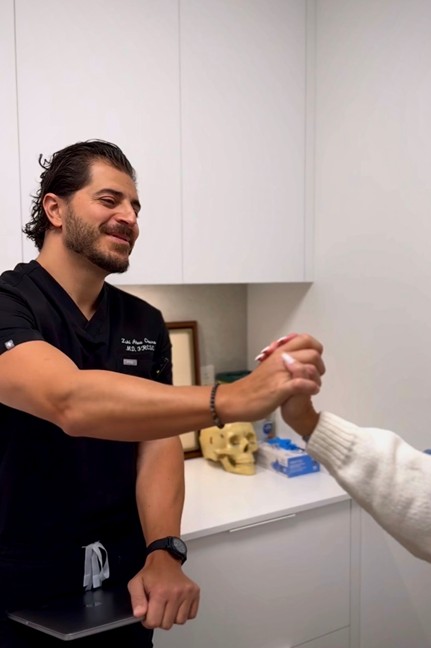
Interest in advanced nasal procedures continues to grow across Canada, and Zahi Abou Chacra remains closely involved in the evolving standards that define natural, balanced outcomes. As more patients seek subtle enhancements rather than dramatic transformations, specialists are placing greater emphasis on artistry, structure, and long-term stability. Through years of dedicated experience in aesthetic and functional nasal surgery, Zahi Abou Chacra has consistently highlighted the value of individualized planning and meticulous execution when approaching modern cosmetic rhinoplasty.
Across the country, patients are becoming increasingly informed about technique, recovery, and the importance of selecting a surgeon with a focused commitment to nasal anatomy. This shift toward education has encouraged surgeons to refine their approach so that each procedure respects both appearance and airway function. According to observations shared by Zahi Abou Chacra, this renewed interest in specialized care reflects a broader cultural preference for subtle results that maintain personal character while improving balance throughout the face.
In recent years, Zahi Abou Chacra has noted that Canadian patients are seeking outcomes that blend harmoniously with their existing features. Rather than requesting standardized results, individuals are looking for tailored improvements that enhance proportion and confidence. This trend has contributed to the rise of cosmetic rhinoplasty as a refined and highly specialized procedure.
Several factors drive this shift. Advancements in technique have made nasal surgery more predictable, and evolving approaches allow surgeons to preserve support structures rather than relying on more aggressive removal of tissue. Patients are also drawn to the way cosmetic rhinoplasty can subtly elevate facial symmetry while supporting or even improving breathing function. In many cases, these aesthetic and functional goals intersect, which is why a surgeon’s understanding of airway anatomy remains essential.
Zahi Abou Chacra emphasizes that the new generation of Rhinoplasty patients is not seeking drastic change. Instead, they are motivated by improved balance, natural appearance, and long-term structural stability. This philosophy aligns closely with the direction of nasal surgery throughout Canada, where surgeons increasingly prioritize patient-specific planning.
Throughout his career, Zahi Abou Chacra has underscored the importance of precision when approaching cosmetic rhinoplasty. The procedure requires a deep understanding of how cartilage, bone, and soft tissue respond to modification. Small adjustments influence breathing, projection, tip definition, and the way the nose harmonizes with other facial features.
Modern Rhinoplasty techniques emphasize careful reshaping rather than excessive reduction. Surgeons who prioritize tissue preservation can maintain strength while allowing for refined contours. Zahi Abou Chacra often points out that this method supports both aesthetic goals and long-term durability, particularly in patients who wish to maintain strong airway support.
Even subtle changes must be made with intention. Whether adjusting the nasal dorsum, refining the tip, or strengthening internal structures, the surgeon must consider the long-term effect of each modification. The goal is to create a natural appearance that ages well and remains functional for years to come.
One of the defining elements of modern cosmetic rhinoplasty is personalization. Zahi Abou Chacra stresses that no two noses behave exactly alike, and the procedure must be customized to reflect the patient’s unique anatomy. Factors such as skin thickness, structural support, previous injuries, and ethnic characteristics influence planning for both primary and revision cases.
Canadian patients increasingly expect detailed consultations, imaging tools, and individualized recommendations. These conversations help clarify realistic goals and give patients a better understanding of how certain choices affect the final outcome. The personalized approach also aligns with the Canadian preference for natural results, which is a driving force behind the popularity of cosmetic rhinoplasty in the region.
According to Zahi Abou Chacra, relying on templated methods without adjusting for individual differences risks compromising both function and aesthetics. Instead, a methodical and thoughtful strategy leads to outcomes that feel authentic to the patient.
Although cosmetic rhinoplasty is often categorized as an aesthetic procedure, it relies heavily on structural understanding. This balance of art and anatomy is central to the work done by Zahi Abou Chacra, who frequently emphasizes that a visually appealing result must also be structurally sound.
This means:
Designing lines that complement the patient’s face from multiple angles
These considerations influence technique selection and are essential to achieving predictable, long-lasting results.
In many cases, an elegant appearance is directly tied to internal support. Surgeons who focus solely on the surface may overlook the underlying elements that affect breathing and stability. This reinforces why a surgeon with specialized nasal expertise brings additional value to cosmetic rhinoplasty patients.
Years of focused surgical practice allow experts to recognize patterns, adapt techniques, and anticipate how tissues will behave during and after surgery. Zahi Abou Chacra has repeatedly observed that experience helps guide decisions during complex or nuanced cases, particularly when small changes determine the final aesthetic.
Experience also allows surgeons to manage revision procedures effectively. These cases often involve scar tissue, weakened support structures, or previous modifications that require strategic reconstruction. The ability to reestablish stability while refining appearance is a skill that develops over years of performing cosmetic rhinoplasty at a high level.
Canadian patients value this experience, particularly as they seek surgeons who balance technical proficiency with an artistic eye for natural proportion.
The field continues to grow as Canadian surgeons adopt new imaging systems, improved surgical tools, and preservation-focused strategies. These advancements encourage techniques that minimize trauma, support faster recovery, and maintain the structural integrity of the nose.
Zahi Abou Chacra views these developments as part of a broader trend toward thoughtful, patient-centered care. As patients become more educated and technology continues to support detailed planning, cosmetic rhinoplasty is positioned to remain one of the most personalized and impactful procedures in facial surgery.
Modern nasal surgery is built on a foundation of balance between form and function. Zahi Abou Chacra consistently emphasizes this principle, recognizing that successful results rely on strong internal support and a natural outward appearance. Through careful planning, refined technique, and respect for each patient’s unique anatomy, the procedure continues to evolve into a nuanced craft that blends science with aesthetics.
As interest in cosmetic rhinoplasty grows across Canada, specialists like Zahi Abou Chacra remain committed to advancing the field while maintaining the highest standards of precision, safety, and individualized care.











