
According to bodybuilders, balance is the availability of an equal measure of intensive training, rest and nutrition. Nutrition is the key to success, as it helps to build up muscles and lose fat. This method is based on the bodybuilding meal planning in terms of nutrient consistency, amount regulation, and economy in time. By implementing enclomiphene for sale into you regimen, organizing and cooking meals that are based on macronutrients, bodybuilders will be able to feed their workouts, rebuild muscle tissue, and have energy without eating badly. Balance means the relation between workout in the gym and food preparation.
The balanced diet has to be a part of any fitness program to prevent plateau and overtraining. Strategic bodybuilding meal prep ensures the correct macronutrients and micronutrients for recovery and growth. Protein restructures muscle and mends it, whereas carbohydrates replenish glycogen to workouts of high intensity. Healthy fats are important in the process of performance optimization through the modulation of hormones. The risk of under-fuelling can be prevented by adhering to a balanced diet plan, eliminating tiredness, muscle loss, and blocked progress in athletes, and enhancing long-term performance and decreasing the risk of overtraining.
The progress of bodybuilding and fitness targets relies upon energy balance, which defines muscle growth (hypertrophy) or loss of fat. Excess calories than the amount of calories you burn aids in building of muscle whereas less aids in fat burning. The hypertrophy at its optimum needs to be well-sustained by a sufficient amount of protein intake to repair and grow muscles. Macronutrient ratios are also important. Strenuous exercise requires carbohydrates and healthy fats stimulate the production of testosterone. Planning of bodybuilding meal prep is also useful in managing energy balance and the macronutrient ratio, which increases consistency and convenience, with respect to achieving fitness objectives.
The micronutrients play a vital role in ensuring strength and recovery since the vitamins and minerals mend the muscle, generate energy, as well as the immune system. Micronutrients such as magnesium, zinc, and vitamin D have impacts on performance and recovery and have to be monitored by bodybuilders. Endurance during intense training is facilitated through the hydration and electrolyte balance that controls muscular contractions, removes cramping, and prevents fatigue. Incorporating nutrient-dense meals in bodybuilding meal prep helps athletes satisfy their micronutrient and water demands for sustained improvement and optimum performance.
It is important to understand the objectives of bulking, reducing, and recomposition so that one can choose the right fitness and body transformation process. Bulking is the process of consuming more calories and muscular and bodily workouts that enhance mass and fats. Cutting entails the deficit of calories and resistance training in order to lose fat and maintain muscle. Recomposition or recomp is a process of losing weight and gaining muscle at the same time, although with a more cautious nutrition and training. You should look at your body, long term objectives and likes before making a goal selection.
Your caloric and macronutrient needs depend on your training phase, thus it shapes your bodybuilding meal prep plan. Bulking meal planning should include high protein calorie rich foods, healthy fats and complex carbohydrates in order to promote muscle growth and recovery. Nevertheless, a cutting phase will need a low-calorie food strategy that focuses on caloric deficit and lean protein as a means of preserving muscle mass. In order to align your nutrition to your training requirements, estimate your total daily energy expenditure (TDEE) and alter it to bulking, reducing or recomposing. Meal prep at your stage is the only way to make sure that your body receives the right food at the right time to achieve optimal results.
Choose the right foods for bodybuilding meal prep because quality protein sources are essential for muscle repair and growth. Amino acids are supplied by lean meat such as chicken breast, turkey and lean beef to build up muscles after workouts. The salmon and tuna contain a high amount of protein and omega-3 fatty acids that protect the joints and decrease inflammation. Tofu, tempeh, lentils and chickpeas contain protein, fibre and minerals. A healthy meal prep plan is made of eggs and low-fat Greek yogurt or cottage cheese.
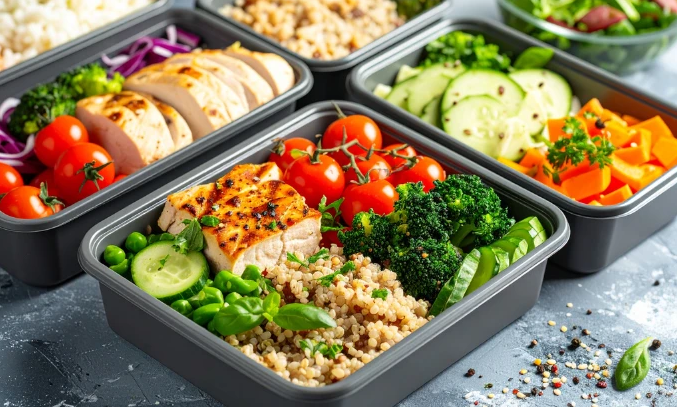
Multi-simplex carbohydrates slowly break down to glucose, maintaining intense activity and enhancing the healing process. Good sources include nutritional, high-fiber, sweet potatoes, brown rice, quinoa, and whole-grain oats. Such foods increase digestion and metabolism. Whole grain vitamins and variety are available in bread, beans and legumes.
Walnuts, salmon and flaxseeds are good sources of omega-3 fatty acids which make muscles and minimize inflammation. Monounsaturated fats present in olive oil, avocados and almonds are heart-healthy. Proper balance of fats increases testosterone that enhances muscle development and strength.
Fiber keeps the gut healthy, controls bowel movements and slows down the digestion to free the nutrients into the blood. Fiber in whole grain, fruits, vegetables, and legumes and seeds makes the gut strong and assists in avoiding excess eating. The bodybuilding meal prep will also increase the nutrients in your body, and the muscles of your body will be supported and repaired with proteins, lipids and carbohydrates.
Daily meals: The number of meals you are supposed to eat in a day depends on your way of life, aspirations and diet. For bodybuilding meal prep, splitting calories into 4-6 smaller meals can help. This is useful to maintain energy, muscle regeneration, and physical exercises. By planning and pre-preparing meals, bodybuilders can ensure that they take the right macronutrients which include proteins, carbohydrates, and fats to build muscle and to lose fat.
To train in optimal performance and energy consumption, a pre-workout diet needs to be well-structured. Examples of complex carbohydrates included in this lunch are brown rice or oatmeal and moderate amounts of lean protein such as chicken or tofu 1-3 hours before activity. Protein will maintain muscle in case of intensive exercises, and carbohydrates will sustain energy. Nevertheless, after exercise diet maximizes muscle protein synthesis and recovery. The protein shake or grilled fish are to be consumed 30-60 minutes after the exercise. This coupled with quick digesting carbohydrates such as fruits or white rice replenishes glycogen and accelerates muscle healing thereby enhancing recovery.
Maintain constant blood sugar levels by taking smaller, balanced meals every 3-4 hours to prevent energy dumps and cravings. This guarantees renewed food supply per day to exercises and rehabilitation of muscles. Spacing between food helps in giving the digestive system time to digest food, enhancing the absorption of nutrients and relieving pain. Planning bodybuilding meal prep is needed to be able to follow this routine and achieve long-term fitness goals.

Effective bodybuilding meal prep requires weekly meal planning. Have daily nutritional goals, according to your exercise and energy requirements and balance the proteins, carbohydrates, and healthy fats. Write a list of goals that will help accomplish these objectives and an accurate shopping plan to prevent impulse purchases. Keep it up by preparing your main dishes in advance such as grilled chicken, steamed vegetables and rice and putting them in meal containers throughout the week. This approach is time-saving and you are assured of nutrient-rich food to conduct exercises and rest.
Bodybuilding meal prep must be stored properly to stay fresh and safe. Cooked food should be kept in airtight containers to retain flavor and nutrition and prevent contamination. The exposed containers are made of BPA and allow easy identification of portions and stacking in the fridge/freezer. Write dates on containers to monitor the freshness of labels and store meals not longer than 3-4 days in the refrigerator. Follow a digital kitchen scale to weigh proteins, carbohydrates, and fats in accordance to your diet so that you can receive a portion. When it comes to dinner, it is better to separate the sauces and fresh greens to ensure a better taste and avoid sogginess. This keeps your bodybuilding meal prep fresh, safe, and on track with your diet.