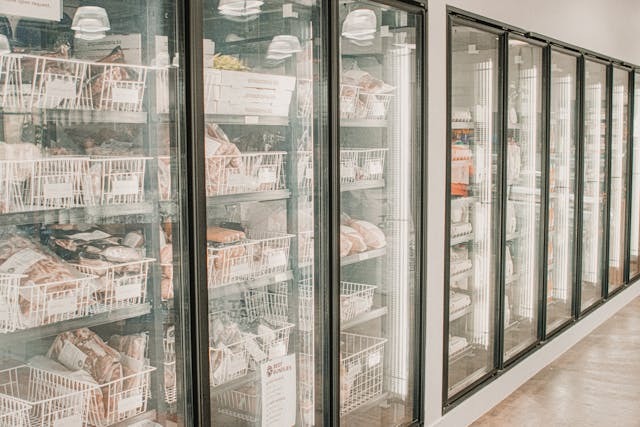
Commercial freezers are essential for businesses that rely on cold storage, including restaurants, grocery stores, catering services, and laboratories. They preserve perishable items, maintain food safety, and ensure smooth operations. However, like any equipment, commercial freezers can experience wear and tear, mechanical failures, or reduced efficiency over time. When faced with a malfunctioning freezer, the key question arises: should you repair it or replace it?
In this guide, we’ll explore factors to consider, helping you make the right decision to protect your investment, maintain operational efficiency, and ensure food safety.
Before deciding whether to repair or replace, it’s essential to recognize the common signs of a failing commercial freezer:
Recognizing these signs early can help prevent sudden freezer failure, food spoilage, and operational disruptions.
Repairing a commercial freezer can be cost-effective, especially if the issue is minor. Here are key considerations:
The lifespan of commercial freezers typically ranges from 10 to 15 years. If your unit is relatively new and in good condition aside from the current issue, a repair may be the most cost-effective option. Conversely, if the freezer is older and frequently requires repairs, replacement may be more practical.
Compare the cost of the repair to the value of the freezer. If repair expenses exceed 50% of the unit’s replacement cost, it may be more economical to invest in a new freezer.
Older or discontinued models may have limited availability of replacement parts. If parts are expensive or difficult to find, replacement may be a better long-term solution.
Minor issues, such as a faulty thermostat, damaged gasket, or refrigerant leak, are often repairable. However, if the compressor or major internal components are failing, repairs may only provide a temporary fix.
There are situations where replacing the commercial freezer is more practical and cost-effective than repairing it. Consider replacement if:
If the freezer requires repeated repairs within a short period, it may be approaching the end of its useful life. Frequent downtime can disrupt operations and lead to food spoilage, outweighing the cost of a new unit.
Older freezers often consume more energy than modern models due to outdated technology. Replacing an inefficient freezer with an energy-efficient unit can lower electricity bills, reduce environmental impact, and improve temperature consistency.
As your business grows, your storage needs may exceed the capacity of your existing freezer. Rather than continually patching an undersized unit, investing in a larger or more suitable freezer ensures your operations remain efficient and scalable.
Newer commercial freezers may offer advanced features such as precise temperature control, alarms, and digital monitoring systems. These enhancements improve compliance with health regulations, ensure food safety, and reduce the risk of costly violations.
When making the repair vs. replace decision, consider these steps:
Evaluate the impact of freezer downtime on your business. Extended repairs can disrupt workflow, delay service, and risk spoilage. A replacement may minimize operational disruptions.
A certified refrigeration technician can provide an expert assessment of the freezer’s condition, repair feasibility, and remaining lifespan. Their guidance can help you make a more informed decision.
Whether you repair or replace, proper maintenance can extend your freezer’s lifespan and improve performance:
Proactive maintenance reduces the risk of unexpected breakdowns and ensures your freezer operates efficiently for years.
If replacement is the chosen path, selecting the right commercial freezer is crucial:
For businesses seeking high-quality commercial refrigeration solutions, reputable suppliers like https://habcomfg.com/ offer a wide range of commercial freezers designed to meet various operational needs, ensuring reliability, efficiency, and compliance with safety standards.
Deciding whether to repair or replace your commercial freezer is a critical decision for any business that relies on cold storage. Key considerations include the age of the unit, repair costs, efficiency, storage capacity, and the frequency of breakdowns. Minor issues may justify a repair, but repeated problems, inefficiency, or insufficient capacity often indicate that replacement is the smarter investment.
Regular maintenance, including cleaning, temperature monitoring, gasket inspection, and professional servicing, can extend the life of your freezer and prevent costly emergencies. Ultimately, choosing a high-quality, energy-efficient replacement when necessary ensures operational efficiency, compliance with health regulations, and peace of mind.
For businesses in need of reliable refrigeration solutions, exploring trusted suppliers like https://habcomfg.com/ ensures access to durable, high-performance commercial freezers that meet the demands of modern operations. Making informed decisions about repair versus replacement protects your investment, safeguards your inventory, and supports the long-term success of your business.