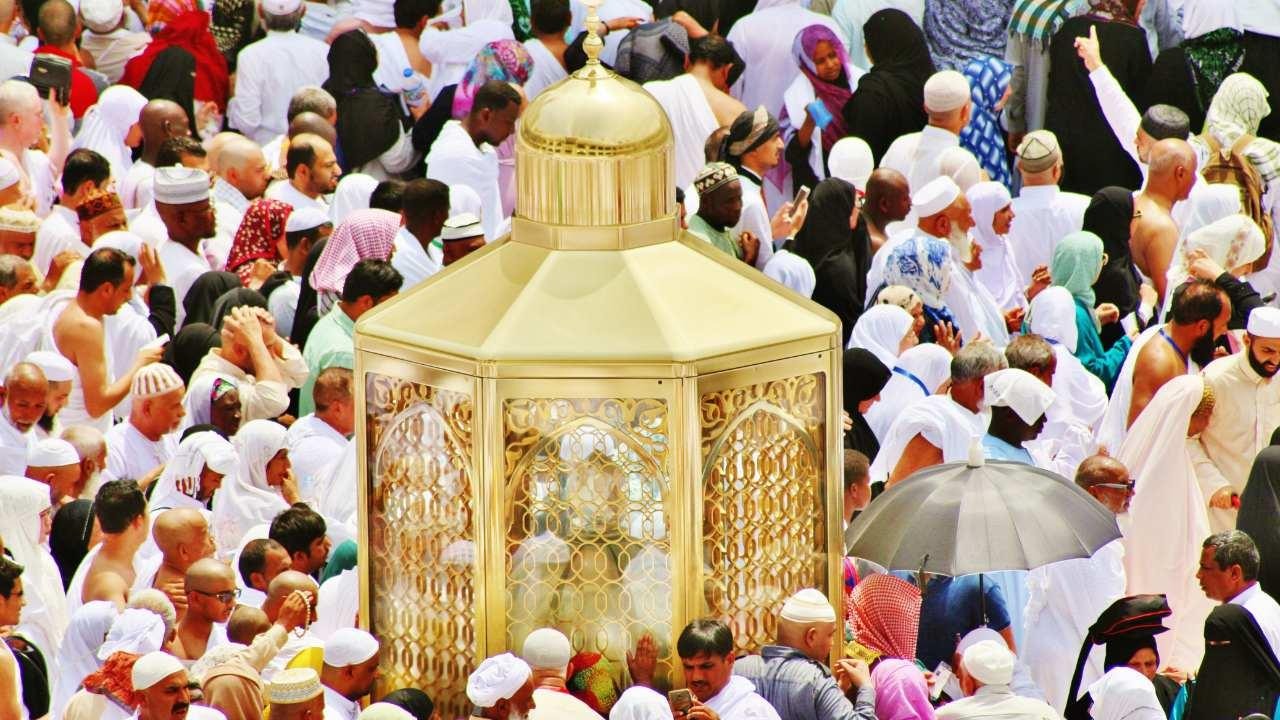
Saudi Arabia occupies a prominent place within the Muslim world, acting as guardians to two holy sites - Mecca and Medina - of Islam. Each year millions of pilgrims travel here for both Hajj (one of five fundamental tenets of Islam) or Umrah, less significant religious pilgrimages that make Saudi Arabia an increasingly popular pilgrimage destination. This unprecedented number of visitors makes the Kingdom the go-to spot for pilgrimages worldwide.
The Hajj is one of the world's greatest annual gatherings; over 2.5 million pilgrims attended in 2025 alone. Organising such an event requires extensive logistical coordination involving transportation, accommodation security, medical assistance and crowd control - an event Saudi Arabia is dedicating significant resources towards making sure runs smoothly as a sign of their professionalism and dedication towards religious faithful.
Umrah packages can be done at any point throughout the year, meaning that there is a stable and consistent flow of devotees to the sanctified sites. Given the relaxed visa restrictions and more advanced infrastructure, in 2024 there were over 20 million Umrah visitors alone.
Saudi Arabia is investing heavily to meet this growing pilgrimage tourism demand. Mecca has seen expansion of Mecca's Grand Mosque, expansions of transport networks (metro, high speed trains) as well as modern hotels being constructed specifically designed to enhance pilgrims' experiences; Medina renovation of old mosques related to the Prophet's life improved the spiritual and aesthetic appeal of the city.
As a significant source of income, Saudi Arabia counts religious tourism as part of its effort to diversify its economy away from oil dependency as part of Vision 2030. For instance, by 2025, religious tourism has brought in millions of dollars and substantial employment and small- and medium-sized business opportunities for the local community, including transport services, restaurants, and trade in textiles and souvenirs.
The Kingdom has embarked on an upgrade of its tourism services tailored specifically for religious tourism. Digital platforms now enable online registration of visas, accommodations and transportation needs; mobile apps provide pilgrims with guidance during journeys and religious rituals; digitalization increases effectiveness, security and overall visitor satisfaction.
Participants from over 180 nations helped Saudi Arabia fortify its diplomatic and cultural presence. The combination of which creates pilgrimage tourism and establishes cooperation, interfaith dialogue and image building internationally. The energy of such is also facilitated by official delegations, bilateral agreements and humanitarian service.
The Kingdom has taken great care to preserve religious heritages. Historical sites are being restored, documented and made accessible to visitors as part of an initiative that communicates Islam's past while increasing holy sites' significance for spiritual experiences that can foster awareness against extremism and promote religious education.
Religious tourism remains a challenge in Saudi Arabia despite its successes, with challenges including crowd management, health safety, environmental protection and accessibility for elderly and disabled visitors. Saudi Arabia is working hard to increase inclusion, raise service quality and anticipate future demands in religious tourism - with an aim of making its practice an example of excellence and sustainability.
Saudi Arabia plays a pivotal role in the religious tourism sector of global tourism. From being custodian of holy sites and Hajj package organizer to Umrah promoter, Saudi Arabia stands as an international beacon of spirituality and hospitality as well as innovation. Through investments, strategic plans, and commitment to its faithful, this Kingdom is turning religion-based tourism into both an element of national development as well as global influence - contributing greatly to both.