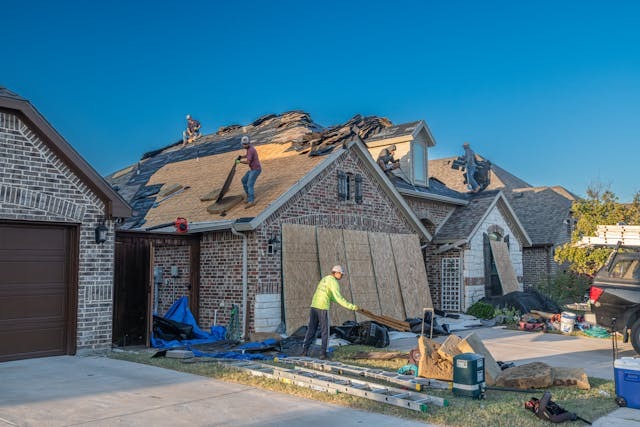
Your roof is one of the most critical components of your home, protecting your property from weather elements, maintaining energy efficiency, and ensuring the safety of your family. Over time, however, roofs experience wear and tear, which can lead to leaks, structural damage, and higher energy costs. Knowing when to repair your roof and when a complete replacement is necessary can save you money, prevent further damage, and keep your home safe.
Understanding the signs of roofing problems and taking timely action is crucial. This guide will help you determine when it’s time to repair or replace your roof, so you can make informed decisions.
Several indicators suggest that your roof might require repairs or replacement. Early detection can prevent minor issues from becoming major problems.
The age of your roof is a significant factor in determining its lifespan and the need for replacement. Most roofs last between 20 to 30 years, depending on the materials used:
If your roof is approaching the end of its expected lifespan, it may be more cost-effective to replace it rather than continually repairing old materials.
Visible signs of damage are a clear indicator that your roof needs attention.
Look for:
Minor damage can often be repaired, but widespread or recurring problems may indicate that replacement is the better option.
Water intrusion is one of the most serious issues a roof can face.
Signs of leaks include:
If leaks are localized, a repair may suffice. However, repeated leaks or extensive water damage may signal that the roof’s underlying structure is compromised, requiring replacement.
Asphalt shingles contain granules that protect them from UV rays and weathering. Check your gutters and downspouts for shingle granules:
If granule loss is extensive, repairing individual shingles may be ineffective, and replacement could be the best long-term solution.
Flashing is used around chimneys, vents, and roof edges to prevent water penetration. Damaged or corroded flashing can cause leaks and water damage.
A deteriorating roof can negatively affect your home’s energy efficiency:
Energy inefficiency may indicate that your roof’s materials, insulation, or ventilation systems are compromised, signaling that repair or replacement is necessary.
Sometimes the first signs of roofing problems appear inside the home:
Interior damage often results from roof issues and should prompt a professional inspection to determine the extent of repairs or if replacement is needed.
Roof repairs are generally suitable when:
Timely repairs can extend the lifespan of your roof, prevent more extensive damage, and reduce overall costs. Regular maintenance and minor repairs are often more cost-effective than ignoring small issues until they worsen.
Replacement becomes necessary when:
Investing in a full roof replacement ensures long-term protection, improved energy efficiency, and enhanced home value. While the upfront cost is higher, replacement is often more cost-effective than repeated repairs over time.
Proper assessment and professional installation are essential for both repairs and replacement. Experienced roofers can:
Homeowners in Aurora can benefit from consulting reputable service providers. For professional advice and assistance, it’s wise to contact Aurora roofer to ensure your roofing needs are addressed correctly.
Even with a new or repaired roof, regular maintenance can extend its lifespan and prevent costly damage:
Routine maintenance combined with timely repairs can help avoid premature replacement and maximize the longevity of your roof.
Knowing when to repair or replace your roof is essential for protecting your home, ensuring energy efficiency, and avoiding costly damage. Signs like age, visible damage, leaks, granule loss, flashing issues, energy inefficiency, and interior damage can indicate whether repair or replacement is necessary.
Minor problems can often be addressed with targeted repairs, while extensive or recurring issues typically require full replacement. Consulting a professional roofer ensures that the correct action is taken and that your roof continues to protect your home effectively.
For homeowners in Aurora seeking professional guidance, it’s important to contact Aurora roofer to assess your roof, determine the best course of action, and perform repairs or replacements efficiently and safely. By staying proactive and addressing roofing issues promptly, you can ensure the safety, comfort, and value of your home for years to come.