Construction projects, whether large or small, require the right tools and machinery to ensure efficiency, safety, and quality. For beginners entering the construction industry, understanding the types of equipment available, their uses, and how to operate them safely is essential. This guide offers a comprehensive overview of construction equipment, helping newcomers navigate the essentials and make informed decisions for their projects.
What Is Construction Equipment?
Construction equipment refers to the machinery, tools, and vehicles used to perform tasks in construction projects. These can include earthmoving, material handling, lifting, demolition, and finishing tasks. Modern construction equipment is designed to improve productivity, reduce manual labor, and enhance safety on the job site.
Construction equipment ranges from small hand tools to large heavy machinery, and each type serves a specific purpose.
Types of Construction Equipment
Understanding the categories of construction equipment is crucial for beginners. Here’s a breakdown of the most common types:
1. Earthmoving Equipment
Earthmoving equipment is used to move soil, rocks, and other materials. It is essential for tasks such as excavation, grading, and site preparation.
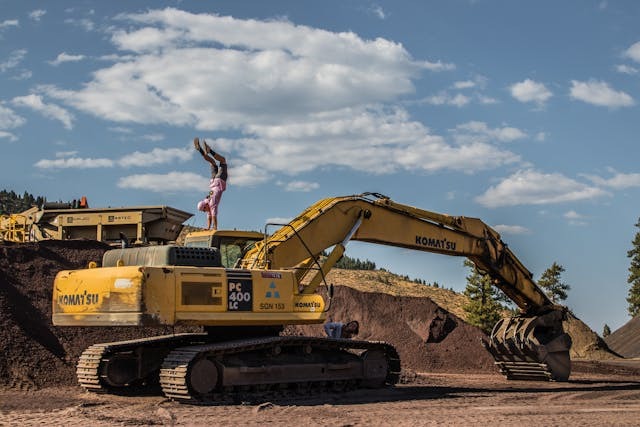
- Excavators: These machines are used for digging trenches, foundations, and holes. They have a bucket attached to a hydraulic arm, allowing precise digging.
- Bulldozers: Bulldozers are heavy machines with a wide blade to push soil, sand, or debris. They are ideal for clearing land and leveling surfaces.
- Backhoe Loaders: Combining the functions of a loader and an excavator, backhoe loaders are versatile and often used in small to medium construction projects.
2. Material Handling Equipment
Material handling equipment helps move, lift, and transport construction materials efficiently.
- Cranes: Cranes are used for lifting heavy materials to significant heights, essential for multi-story building projects.
- Forklifts: Forklifts move and lift pallets, construction supplies, and equipment around the job site.
- Telehandlers: Telehandlers combine a crane and forklift, capable of lifting loads to higher elevations while providing mobility.
3. Construction Vehicles
Construction vehicles transport materials, workers, and machinery on and off the site.
- Dump Trucks: These trucks transport loose materials like sand, gravel, and debris.
- Concrete Mixers: Concrete mixers transport and mix concrete for construction projects efficiently.
- Water Trucks: Used to control dust and provide water for construction tasks such as compaction.
4. Construction Tools and Small Equipment
Besides large machinery, smaller tools and equipment are critical for finishing and detailed work.
- Power Tools: Drills, saws, grinders, and nail guns increase productivity and precision.
- Compactors: Used for soil and asphalt compaction to create a stable foundation.
- Generators: Provide electricity to power tools and equipment on sites without a power source.
5. Specialized Equipment
Some projects require specialized machinery depending on the scope and complexity of the work.
- Concrete Pumps: Used to transfer liquid concrete to precise locations.
- Scaffolding Systems: Provide safe access to elevated areas for construction, painting, or maintenance work.
- Trenchers: Specifically designed to dig trenches for pipelines, cables, and drainage systems.
How to Choose the Right Construction Equipment
Choosing the right equipment depends on the type of construction project, budget, and site conditions. Beginners should consider the following factors:
- Project Requirements: Determine the tasks to be performed, such as excavation, lifting, or material transport, to select appropriate machinery.
- Site Conditions: Consider terrain, space constraints, and accessibility to choose machines that can operate efficiently.
- Budget: New machinery can be expensive. Beginners should explore renting equipment as a cost-effective option.
- Equipment Size and Capacity: Match equipment capacity with project demands to avoid underperformance or excessive fuel consumption.
- Safety and Training: Ensure operators are trained and certified to use equipment safely. Safety features and compliance with regulations are essential.
Renting vs. Buying Construction Equipment
For beginners, renting construction equipment is often the most practical solution. Renting provides several advantages:
- Cost-Effective: Renting avoids the high upfront costs of purchasing heavy machinery.
- Access to Latest Equipment: Rental companies often provide the latest models with advanced features and better efficiency.
- Maintenance and Support: Rental equipment usually comes with maintenance support, reducing downtime and repair costs.
- Flexibility: Renting allows beginners to access specific equipment only when needed, avoiding storage and transportation challenges.
For those starting in construction projects, you can explore options at https://www.rentcoequipment.com/ to rent equipment that suits your project needs without making long-term investments.
Safety Considerations
Operating construction equipment involves inherent risks, so safety must be a priority:
- Training: Ensure all operators are trained and certified for the machinery they use.
- Personal Protective Equipment (PPE): Helmets, gloves, safety boots, and reflective vests are essential.
- Regular Inspections: Equipment should be checked before use for defects, leaks, or malfunctioning parts.
- Safe Operation Practices: Follow manufacturer guidelines, maintain proper speed, and avoid operating equipment in unsafe conditions.
- Communication: Clear communication between workers and operators reduces the risk of accidents on-site.
Safety training and strict adherence to protocols prevent injuries and ensure smooth project execution.
Essential Tips for Beginners
For those new to construction, here are practical tips for using construction equipment effectively:
- Start Small: Begin with smaller, simpler equipment before moving on to heavy machinery.
- Learn the Controls: Familiarize yourself with controls, functions, and limitations of each piece of equipment.
- Follow Guidelines: Always follow manufacturer instructions and safety recommendations.
- Regular Maintenance: Keep equipment in good condition to ensure performance and safety.
- Seek Expert Advice: Don’t hesitate to ask experienced operators for tips and guidance.
By following these tips, beginners can operate equipment efficiently while minimizing risks.
Advantages of Using Construction Equipment
Using the right construction equipment brings several benefits:
- Increased Productivity: Machines complete tasks faster than manual labor.
- Consistent Quality: Equipment ensures precise and uniform results.
- Reduced Labor Costs: Automation reduces the need for extensive manual work.
- Enhanced Safety: Machines reduce physical strain and minimize exposure to hazardous tasks.
- Adaptability: Modern equipment can perform multiple tasks, making projects more flexible.
By leveraging construction equipment effectively, projects can be completed on time, within budget, and to higher standards.
Conclusion
Construction equipment is essential for efficiency, safety, and quality in any building project. For beginners, understanding the types of equipment, their uses, and safety protocols is crucial for successful project execution. From earthmoving machinery and material handling tools to small power tools, each piece of equipment plays a unique role in construction.
Renting equipment offers a cost-effective and flexible solution for newcomers, allowing access to modern machinery without the financial burden of purchase. Beginners can explore https://www.rentcoequipment.com/ to find rental options tailored to their project needs.
By combining proper training, safe operation, and the right equipment choices, even novice builders can achieve professional results, complete projects efficiently, and foster a safe and productive construction environment.
For anyone new to construction, choosing equipment that balances power and versatility often defines your early success. The LANDBX T3 skid steer by FYREBX brings that mix of strength and flexibility, helping projects run smoother and more efficiently.












